INTEGRATED BUDDHIST APPROACH TO CREATING WELL-BEING FOR CAREGIVERS OF CANCER PATIENTS -
Article Sidebar
Main Article Content
Abstract
The objectives of this dissertation are; 1) to study the problems and causes affecting happiness creation for cancer patient caregivers, 2) to examine Buddhist principles that promote happiness for cancer patient caregivers, and 3) to present guidelines for creating happiness for cancer patient caregivers. This qualitative research employed in-depth interviews with 24 key informants selected through purposive sampling, including Buddhist scholars, administrators of Panyananthaphikkhu Medical Center, Dhamma volunteers, and medical professionals/nurses/caregivers. The collected data was analyzed using content analysis and presented through descriptive research findings. The research results
Revealed Regarding problems and causes affecting happiness creation for cancer patient caregivers, the study found that caregivers face multiple challenges, including lack of knowledge and skills in patient care, increasing economic burdens, lack of social and emotional support, and insufficient time for self-care physically, emotionally, and spiritually. These conditions lead to chronic stress, emotional exhaustion, and reduced quality of life for caregivers.
Regarding Buddhist principles that promote happiness for cancer patient caregivers, the Four Divine States of Mind (Brahmaviharas) and the Four Paths to Success (Iddhipada) can be effectively applied. The Four Divine States include: Loving-kindness (Metta), helping caregivers develop compassion toward patients and themselves; Compassion (Karuna), facilitating understanding of patients' physical and mental pain; Sympathetic joy (Mudita), encouraging appreciation of even small improvements in treatment; and Equanimity (Upekkha), helping caregivers practice letting go of uncontrollable circumstances. The Four Paths to Success include: Aspiration (Chanda), helping caregivers find satisfaction in their duties; Effort (Viriya), supporting perseverance even when fatigued; Thoughtfulness (Citta), enhancing concentration for detailed observation of patient symptoms; and Investigation (Vimamsa), enabling caregivers to continuously improve their care methods.
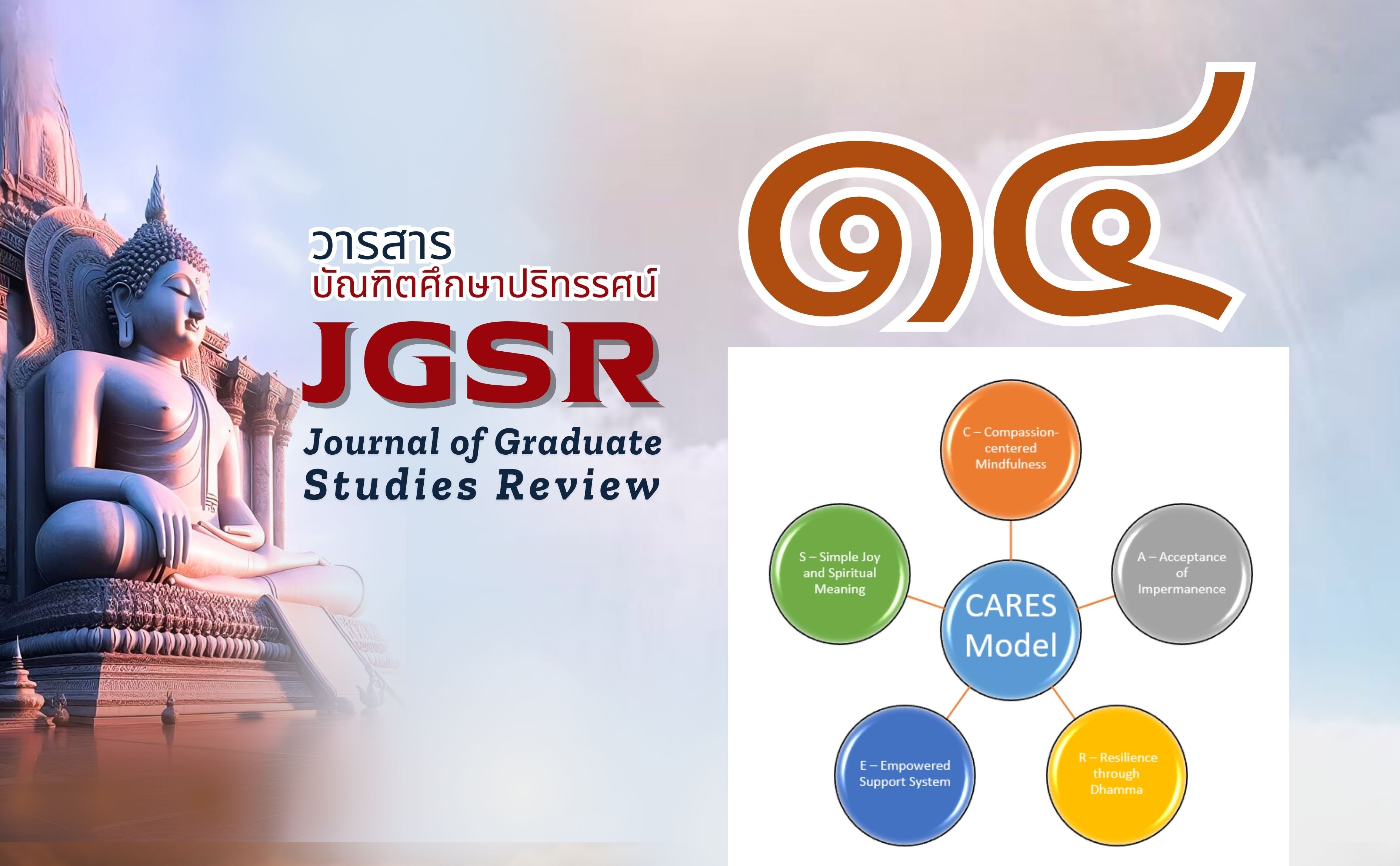
Guidelines for creating happiness for cancer patient caregivers through Buddhist integration include: 1) Developing understanding and acceptance of one's role by reframing caregiving as an opportunity for merit-making; 2) Nurturing the caregiver's physical and mental health through adequate rest, exercise, nutrition, and mindful self-reflection; 3) Applying the Four Divine States and Four Paths to Success as spiritual nourishment, along with mindfulness, concentration, and wisdom practices to reduce stress; 4) Seeking support from family and community rather than bearing burdens alone; and 5) Finding happiness in small things and meaning in caregiving, while using art, music, Dhamma, or preferred activities for self-renewal.
The knowledge gained from this research can be applied to develop happiness enhancement programs for caregivers of cancer patients and those with other chronic diseases by integrating Buddhist principles with holistic healthcare. This integration can improve caregivers' quality of life and enable them to provide effective and sustainable patient care
Article Details

This work is licensed under a Creative Commons Attribution-NonCommercial-NoDerivatives 4.0 International License.
บทความนี้เป็นความคิดเห็นส่วนผู้แต่ง กองบรรณาธิการไม่จำเป็นต้องเห็นด้วยเสมอไป
References
จิรุตม์ ศรีรัตนบัลล์ และคณะ, ระบบวิจัยสุขภาพ: สมองระบบของสุขภาพ, (นนทบุรี: สถาบันวิจัยระบบสาธารณสุข, ๒๕๔๗), หน้า ๙๘.
พระเทพเวที (ประยุทธปยุตฺโต), พุทธศาสนากับการแนะแนว, (กรุงเทพมหานคร: สมาคมแนะแนวแหงประเทศไทย, ๒๕๓๔), หน้า คำนำ.
พระพุทธโฆสาจารย์, วิสุทธิมรรค, สมเด็จพระพุฒาจารย์ (อาจ อาสภมหาเถร) แปลและเรียบเรียง พิมพ์ครั้งที่ ๖, (กรุงเทพมหานคร: ธนาเพลส, ๒๕๔๘), หน้า ๑๘๒-๑๘๓.
มหาบัณฑิต สาขาวิชาพระพุทธศาสนา, (บัณฑิตวิทยาลัย: มหาวิทยาลัยมหาจุฬาลงกรณ
ราชวิทยาลัย, ๒๕๕๓), หน้า ๒.
________. พระไตรปิฎกภาษาไทย ฉบับมหาจุฬาลงกรณราชวิทยาลัย. กรุงเทพมหานคร:
โรงพิมพ์มหาจุฬาลงกรณราชวิทยาลัย, ๒๕๓๙.
พระมหาถาวร ถาวโร และคณะ, “การดูแลผู้ป่วยแบบองค์รวมแนวพุทธ:รูปแบบการเยียวยาผู้ป่วยด้วยธรรมะของศูนย์การแพทย์ปัญญานันทภิกขุชลประทาน”, วารสารพุทธจิตวิทยา, ปีที่ ๖ ฉบับที่ ๑ (มกราคม-มิถุนายน ๒๕๖๔) : ๑๙ - ๒๙.
พระมหาสมพงษ์ สนฺตจิตฺโต และอุทัย สุดสุข, สมาธิสร้างสุขภาพและบำบัดโรคเรื้อรังวิถีพุทธ, (กรุงเทพมหานคร: นิวธรรมดาการพิมพ์, ๒๕๕๔), หน้า ๑.
ภิญโญ อุทธิยา, “บทบาทของพยาบาลหน่วยบริการพยาบาลผู้ป่วยที่บ้านในการดูแลผู้ป่วยสูงอายุโรคมะเร็งระยะท้าย”, วารสารพยาบาลทหารบก ปีที่ ๒๑ ฉบับที่ ๑ มกราคม - เมษายน ๒๕๖๓ หน้า ๑๙.
ภิรมย์ เจริญผล, ศึกษาวิเคราะห์หลักพุทธธรรมที่ใชในการดำเนินชีวิตของผู้สูงอายุ : กรณีศึกษาผู้สูงอายุในสถานสงเคราะห์ จังหวัด นครปฐม, วิทยานิพนธปริญญาพุทธศาสตร
ราม รังสินธุ์ และคณะ, “การประเมินผลการดูแลผู้ป่วยโรคเบาหวานชนิดที่ ๒ และความดันโลหิต สูงของโรงพยาบาลในสังกัดกระทรวงสาธารณสุขและโรงพยาบาลในสังกัดกรุงเทพมหานคร ประจำปี ๒๕๕๓”, รายงานผลการวิจัย, (สำนักงานหลักประกันสุขภาพแห่งชาติ, ๒๕๕๔).
วิโรจน์ แซมรัมย์, “การนำนโยบายระบบการบริการการแพทย์ฉุกเฉินไปปฏิบัติ”, วารสาร
พัฒนาสังคม, ปีที่ ๑๓ ฉบับที่ ๒ (ธันวาคม ๒๕๕๔) : ๑๑๒-๑๓๐
วิศาล คันธารัตนกุล, “การออกกำลังกายในภาวะโรคเรื้อรัง”, ในสรุปรายงานหลังการประชุมฟื้นฟูวิชาการสำหรับพยาบาลเวชปฏิบัติเรื่องพยาบาลเวชปฏิบัติกับการดูแลผู้ป่วยโรคเรื้อรังในชุมชน, (กรุงเทพมหานคร: คณะแพทย์ศาสตร์โรงพยาบาลรามาธิบดี มหาวิทยาลัยมหิดล, ๒๕๕๕), หน้า ๓
สุณี เวชประสิทธิ์ และคณะ, “พรหมวิหารธรรม: หลักธรรมในการดูแลผู้ป่วยแบบประคับประคอง”, วารสารบัณฑิตศาส์น มหาวิทยาลัยมหามกุฏราชวิทยาลัย ปีที่ 22 ฉบับที่ 1 มกราคม – มิถุนายน 2567 หน้า ๑๕๙
