Buddhist Innovation in Income and Expenditure Management to Strengthen Individual Financial Stability
Article Sidebar
Main Article Content
Abstract
This research article has three objectives: 1) to examine the principles of Bhogavibhāga, the principles of Diṭṭhadhammikattha, and the approach to designing innovations in personal income and expenditure management; 2) to develop a prototype Buddhist innovation for personal income and expenditure management; and 3) This research article had three objectives: 1) to examine the principles of Bhogavibhāga and Diṭṭhadhammikattha, as well as approaches to designing an innovation for personal income and expenditure management; 2) to develop a prototype Buddhist innovation for personal income and expenditure management; and 3) to evaluate user satisfaction and assess the fit of the relationship model between the prototype Buddhist innovation and personal financial resilience using structural equation modeling (SEM). This research employed a research and development (R&D) design combined with a mixed-methods research, beginning with documentary research and qualitative research through in-depth interviews to explore user needs from the target group, as well as from experts in Buddhist principles and financial management. The collected data were synthesized with the principles of Bhogavibhāga and Diṭṭhadhammikattha and subsequently applied through the design thinking process to develop the prototype Buddhist innovation. The prototype was then implemented with 350 volunteers to evaluate satisfaction and analyze causal relationships using a structural equation model.
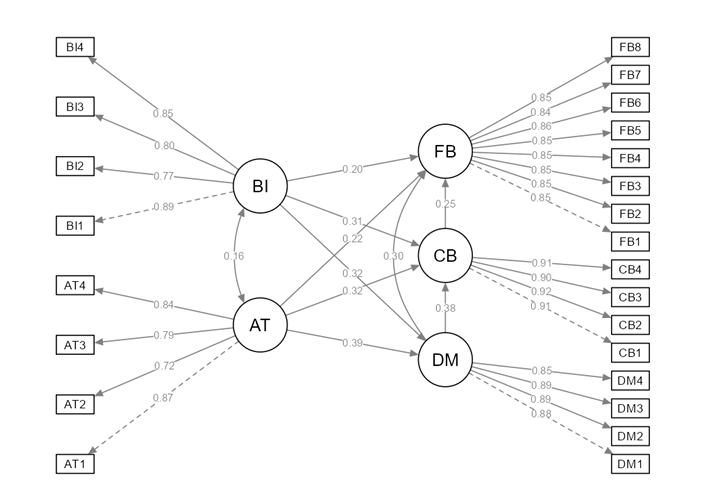
The research findings revealed that: 1) The Bhogavibhāga and Diṭṭhadhammikāttha principles can be applied as a framework for personal income and expenditure management. The Bhogavibhāga principle provides guidelines for allocating income appropriately for living expenses, occupational activities, business investment, and savings, whereas, the Diṭṭhadhammikāttha principle provides guidelines for establishing and maintaining economic security through diligence, wealth conservation, good companionship, and living within one's financial status. When synthesizing both principles with financial management concepts, they formed a concrete framework for designing Buddhist innovations in personal income and expenditure management. 2) The prototype Buddhist innovation developed through the design thinking process integrates Buddhist principles with contemporary financial concepts and behaviors. It aims to promote income allocation, expenditure control, savings and wealth conservation, moderate living, and mindful and prudent financial decision-making. The implementation results showed that the prototype serves as a systematic approach to supporting personal income and expenditure management. 3) The evaluation results indicated an overall high level of user satisfaction, with a mean score of 4.46 and a standard deviation of 0.51. The structural equation model analysis showed that Buddhist innovation in income and expenditure management (BI) and financial attitude (AT) significantly influenced financial management based on Diṭṭhadhammikāttha principle (DM) and contemporary financial behavior (CB), which in turn directly and indirectly affected personal financial resilience (FB) with statistical significance. The model exhibited a good fit with the empirical data (χ² = 276.65, df = 242, n = 350, p = .062, CFI = .974, TLI = .963, RMSEA = 0.02, SRMR = 0.03 and χ²/df = 1.14), indicating that the developed model appropriately explains the relationships among the Buddhist innovation, financial management behavior, and personal financial resilience.
Article Details

This work is licensed under a Creative Commons Attribution-NonCommercial-NoDerivatives 4.0 International License.
บทความนี้เป็นความคิดเห็นส่วนผู้แต่ง กองบรรณาธิการไม่จำเป็นต้องเห็นด้วยเสมอไป
References
ภาษาไทย
ขวัญตระกูล บุทธิจักร, พระศรีธรรมภาณี และบุญเลิศ โอฐสู. “พุทธนวัตกรรมการสื่อสารที่ส่งเสริมการวางแผนการเงินส่วนบุคคล”. วารสารสังคมศาสตร์และวัฒนธรรม. ปีที่ ๘ ฉบับที่ ๘ (สิงหาคม ๒๕๖๗): ๓๔๕–๓๕๕.
ขวัญตระกูล บุทธิจักร, พระศรีธรรมภาณี และบุญเลิศ โอฐสู. “พุทธนวัตกรรมการสื่อสารที่ส่งเสริมการวางแผนการเงินส่วนบุคคล”. วารสารสังคมศาสตร์และวัฒนธรรม. ปีที่ ๘ ฉบับที่ ๘ (สิงหาคม ๒๕๖๗): ๓๔๕-๓๕๕.
ชนากานต์ ธนนิวัฒน์ และศิริชัย กาญจนวาสี. “การพัฒนาแบบวัดความฉลาดรู้การเงินสำหรับนักเรียนระดับชั้นมัธยมศึกษาตอนต้น”. วารสารการวัดผลการศึกษา. ปีที่ ๔๐ ฉบับที่ ๑๐๗ (มกราคม–มิถุนายน ๒๕๖๖): ๔๐-๕๑.
ชิดชนก ขยันอาจ, พีรญา ชื่นวงศ์ และกษิดิศ ใจผาวัง. “ปัจจัยการออมและรูปแบบการออมที่มีอิทธิพลต่อความอยู่ดีมีสุขทางการเงินของครู โรงเรียนสังกัดสำนักงานเขตพื้นที่การศึกษาประถมศึกษาเชียงราย เขต ๒”. วิทยาการจัดการวไลยอลงกรณ์ปริทัศน์. ปีที่ ๕ ฉบับที่ ๑ (มกราคม–เมษายน ๒๕๖๗): ๕๐–๖๗
ต้องพงศ์ พงษ์พานิช. “ความสัมพันธ์ระหว่างความรู้ทางการเงินและพฤติกรรมการวางแผนทางการเงินของลูกค้าธนาคารพาณิชย์ในประเทศไทย”. วารสารการบัญชีและการจัดการ. ปีที่ ๑๖ ฉบับที่ ๒ (เมษายน–มิถุนายน ๒๕๖๗): ๓๕–๔๕
พระครูสุภัทกิจจานุการ, พระสมพล ยสชาโต, ปรัชญา บุตรสะอาด และทยิดา ผลสมบูรณ์. “หลักพุทธธรรมกับการแก้ปัญหาและพัฒนาเศรษฐกิจ”. วารสารมหาจุฬาวิชาการ. ปีที่ ๙ ฉบับที่ ๓ (กันยายน–ธันวาคม ๒๕๖๕): ๔๐๖–๔๒๓.
พระครูสุภาจารโสภิต (บุญยืน สุภาจาโร), แสวง นิลนามะ และประเวศ อินทองปาน. "การศึกษาเปรียบเทียบการจัดการทรัพย์สินตามหลักศาสนา: กรณีศึกษากลุ่มสัจจะสะสมทรัพย์วัดไผ่ล้อม จังหวัดตราด กับสหกรณ์เครดิตยูเนี่ยนพัฒนากสิกรโคกวัด จำกัด จังหวัดปราจีนบุรี". วารสาร มจร ปรัชญาปริทรรศน์. ปีที่ ๗ ฉบับที่ ๑ (มกราคม-มิถุนายน ๒๕๖๗): ๑๗-๒๙.
พระมหาวีระชาติ โปธา, มานพ นักการเรียน และบานชื่น นักการเรียน. “การสร้างเสริมความเข้มแข็งของครอบครัวตามแนวพุทธเพื่อให้มีคุณภาพชีวิตที่ดีในยุควิถีชีวิตใหม่”. วารสารสิรินธรปริทรรศน์. ปีที่ ๒๖ ฉบับที่ ๒ (กรกฎาคม–ธันวาคม ๒๕๖๘): ๑-๑๐.
พระมหาอภิพงค์ คําหงษา, พระมหาวัฒนา ขันทะชา, พระสิทธิชัย รินฤทธิ์ และสุรีพร ชาบุตรบุณฑริก. “หลักทิฏฐธัมมิกัตถะ: เศรษฐศาสตร์เชิงพุทธสู่การพัฒนาคุณภาพชีวิตในยุคบริโภคนิยม”. วารสารพุทธสังคมวิทยาปริทรรศน์. ปีที่ ๙ ฉบับที่ ๑ (มกราคม-มีนาคม ๒๕๖๗): ๒๑๕-๒๒๘.
พัชราภา สิงห์ธนสาร, ลักษมี งามมีศรี, มานิตย์ สิงห์ทองชัย และวิไลลักษณา สร้อยคีรี. “การบริหารจัดการหนี้สินภาคครัวเรือนภายใต้หลักเศรษฐกิจหมุนเวียนของกลุ่มวิสาหกิจชุมชนในตำบลหนองกระโดน อำเภอเมือง จังหวัดนครสวรรค์”. วารสารวิชาการ การจัดการภาครัฐและเอกชน. ปีที่ ๖ ฉบับที่ ๒ (พฤษภาคม–สิงหาคม ๒๕๖๗): ๗๙–๙๓.
ภักดี เมฆจำเริญ. “รูปแบบการบริหารจัดการหนี้สินส่วนบุคคลในสังคมไทยยุค ๔.๐ เชิงพุทธบูรณาการ”. วารสาร มจร การพัฒนาสังคม. ปีที่ ๗ ฉบับที่ ๓ (กันยายน–ธันวาคม ๒๕๖๕): ๗๙–๙๒.
มหาจุฬาลงกรณราชวิทยาลัย. พระไตรปิฎกภาษาไทย ฉบับมหาจุฬาลงกรณราชวิทยาลัย. กรุงเทพมหานคร: โรงพิมพ์มหาจุฬาลงกรณราชวิทยาลัย, ๒๕๓๙.
รังสินี ชาสุวรรณ, สมนึก เอื้อจิระพงษ์พันธ์ และสุพิศ ฤทธิ์แก้ว. “การยอมรับเทคโนโลยีแอปพลิเคชันโมบายแบงก์กิ้งของผู้สูงอายุในเขตพื้นที่ภาคใต้ตอนบน”. วารสารวิชาการบริหารธุรกิจ สมาคมสถาบันอุดมศึกษาเอกชนแห่งประเทศไทย. ปีที่ ๑๑ ฉบับที่ ๑ (มกราคม–มิถุนายน ๒๕๖๕): ๑๕๙–๑๗๔.
วรพรรณ รัตนทรงธรรม, สุพรรษา จิตต์มั่น, ตุลาพร จันทร์กวี และวริศรา ดวงตาน้อย. “ปัจจัยที่ส่งผลกระทบต่อความพึงพอใจทางการเงินของบุคลากรในมหาวิทยาลัยราชภัฏอุตรดิตถ์”. วารสารบริหารธุรกิจอุตสาหกรรม. ปีที่ ๕ ฉบับที่ ๑ (มกราคม–มิถุนายน ๒๕๖๖): ๑–๑๔.
วรภร ศิลาเจริญธนกิจ และกฤตยชญ์ คำมิ่ง. “การศึกษารูปแบบบัญชีครัวเรือนและพฤติกรรมการออมของครัวเรือน ในชุมชนตำบลท้ายเกาะ อําเภอสามโคก จังหวัดปทุมธานี”. วารสารสิ่งแวดล้อมศึกษาการแพทย์และสุขภาพ. ปีที่ ๑๐ ฉบับที่ ๓ (กรกฏาคม-กันยายน ๒๕๖๘): ๘๖๙-๗๗.
วราพร กนกปรเมษฐ์, พระมหาทวี มหาปญฺโญ (ละลง) และบุญเลิศ โอฐสู. “ศึกษาการจัดสรรทรัพย์ตามหลักโภควิภาค ๔ ในพระพุทธศาสนา ของสมาชิกสถาบันการเงินชุมชนปากเกร็ดร่วมใจ ๒ จังหวัดนนทบุรี”. วารสารวิจัยและพัฒนา วไลยอลงกรณ์ ในพระบรมราชูปถัมภ์. ปีที่ ๑๓ ฉบับที่ ๑ (มกราคม-เมษายน ๒๕๖๑): ๑๓๘-๑๔๕.
สำนักงานสถิติแห่งชาติ. การสำรวจภาวะเศรษฐกิจและสังคมของครัวเรือน พ.ศ. ๒๕๖๘. กรุงเทพมหานคร: สำนักงานสถิติแห่งชาติ กระทรวงดิจิทัลเพื่อเศรษฐกิจและสังคม, ๒๕๖๙.
สุนัยญา แดงเหม และนริศรา เจริญพันธุ์. “ปัจจัยที่มีผลต่อการออมของครัวเรือนไทยในยุคเศรษฐกิจดิจิทัล”. Journal of Demography. ปีที่ ๓๗ ฉบับที่ ๑ (มิถุนายน ๒๕๖๔): ๔๘-๖๘.
หทัยรัตน์ ควรรู้ดี, มาลิณี ศรีไมตรี และอรวรรณ ตามสีวัน. “การวางแผนทางการเงินส่วนบุคคลตามหลักเศรษฐกิจพอเพียง ของประชาชนตำบลคำไฮใหญ่ อำเภอดอนมดแดง จังหวัดอุบลราชธานี”. วารสารการจัดการและการพัฒนา มหาวิทยาลัยราชภัฏอุบลราชธานี. ปีที่ ๙ ฉบับที่ ๑ (มกราคม–มิถุนายน ๒๕๖๕): ๑๐๗–๑๒๒.
เอ็ม สายคำหน่อ, ดวงดาว ศรียากูล และสุนันทา แก้วแย้ม. “ปัจจัยที่ทำให้อาสาสมัครสาธารณสุขประจำหมู่บ้านยอมรับ นวัตกรรมการคัดกรองผู้สูงอายุในชุมชนทางระบบเว็บ”. วารสารวิจัยระบบสาธารณสุข. ปีที่ ๑๘ ฉบับที่ ๑ (มกราคม-มีนาคม ๒๕๖๗): ๙๓-๑๐๘.
ภาษาอังกฤษ
Glenn A. Bowen. “Document Analysis as a Qualitative Research Method”. Qualitative Research Journal. Vol. 9 No. 2 (2009): 31–32.
Ian Sommerville. Engineering Software Products: An Introduction to Modern Software Engineering. Global Edition. Harlow, England: Pearson Education Limited, 2021.
Marion Leary, Pamela Z. Cacchione, George Demiris, J. Margo Brooks Carthon, and Jose A. Bauermeister. “An Integrative Review of Human-Centered Design and Design Thinking for the Creation of Health Interventions”. Nursing Forum. Vol. 57 No. 6 (November 2022): 1137–1152.
Sara Fernández-López, Sandra Castro-González, Lucía Rey-Ares, and David Rodeiro-Pazos. “Self-control and Debt Decisions Relationship: Evidence for Different Credit Options”. Current Psychology. Vol. 43 (2024): 340–357.
Shirin Istikhara Djamhari, Martina Dwi Mustika, Bertina Sjabadhyni, and Alif Ramadian Puspa Ndaru. “Impulsive Buying in the Digital Age: Investigating the Dynamics of Sales Promotion, FOMO, and Digital Payment Methods”. Cogent Business & Management. Vol. 11 No. 1 (2024): 1-16.
Virginia Braun and Victoria Clarke, “One Size Fits All? What Counts as Quality Practice in (Reflexive) Thematic Analysis?”, Qualitative Research in Psychology, Vol. 18 No. 3 (2021): 328–352.
