An Analysis of the Sorrow as Experience by Individuals in the Tripitaka and its Commentaries
Article Sidebar
Main Article Content
Abstract
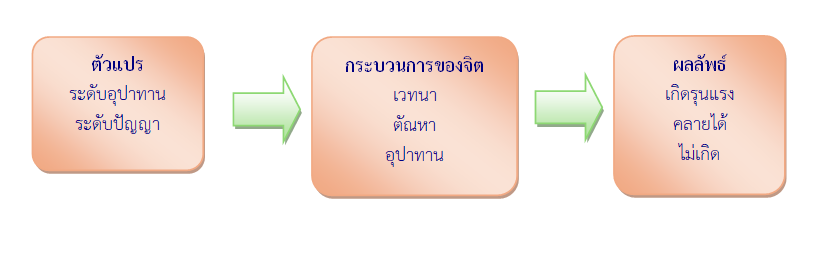
This research article, An analysis of the sorrow as experience by individuals in the Tripitaka and its commentaries, aims to: (1) study the experience of sorrow among individuals as appeared in the Tripitaka and commentaries, (2) analyze the sorrow of individuals as appeared in these sources. This study employs documentary research methodology, utilizing eight case studies drawn from the Tripitaka and its commentaries literature. The analytical framework integrates the Western psychological model of the five stages of grief together with Buddhist principles. The study shows that sorrow is not simply a momentary reaction, but is related to underlying mental processes and conditions. In many cases, it is connected with feeling (Vedanã), craving (Tanhã) and attachment (Upãdãna). The findings also suggest that sorrow appears in different forms. In some cases, it is intense; in others. It can be reduced or resolved; and in some situations, it does not arise at all. Even when individuals face similar experiences of loss, their responses are not the same, and this seems to depend on their mental state. The study further suggests that the process of dealing with sorrow does not always follow a fixed sequence, as described in some Western models. Instead, it may change over time, depending on the level of attachment in each individual.
Article Details

This work is licensed under a Creative Commons Attribution-NonCommercial-NoDerivatives 4.0 International License.
บทความนี้เป็นความคิดเห็นส่วนผู้แต่ง กองบรรณาธิการไม่จำเป็นต้องเห็นด้วยเสมอไป
References
ภาษาไทย
มหาจุฬาลงกรณราชวิทยาลัย. พระไตรปิฎกภาษาไทย ฉบับมหาจุฬาลงกรณราชวิทยาลัย. กรุงเทพมหานคร: โรง
พิมพ์มหาจุฬาลงกรณราชวิทยาลัย, ๒๕๓๙.
พระมหานุกูล มหาวีโร (พรหมขันธ์). “วิธีคิดเพื่อบรรเทาอกุศลจิตในพระพุทธศาสนาเถรวาท”. วิทยานิพนธ์พุทธ
ศาสตรมหาบัณฑิต. บัณฑิตวิทยาลัย: มหาวิทยาลัยมหาจุฬาลงกรณราชวิทยาลัย, ๒๕๕๔.
สิริวรรณ คงทอง. “ประสบการณ์ภาวะเศร้าโศกของคู่สมรสไทยพุทธของผู้เสียชีวิตจากการเจ็บป่วยวิกฤต”.วิทยานิพนธ์พยาบาลศาสตรมหาบัณฑิต. คณะพยาบาลศาสตร์: มหาวิทยาลัยสงขลานครินทร์, ๒๕๕๖.
อรสา ใยยอง. “ภาวะซึมเศร้าและอารมณ์เศร้าโศกจากการสูญเสียของผู้สูงอายุในชมรมผู้สูงอายุจังหวัดนนทบุรี”.
วิทยานิพนธ์วิทยาศาสตรมหาบัณฑิต. คณะแพทยศาสตร์: จุฬาลงกรณ์มหาวิทยาลัย, ๒๕๕๓.
พีรพนธ์ ลือบุญธวัชชัย. “อารมณ์เศร้าโศกจากการสูญเสียและจิตบำบัดสัมพันธภาพระหว่างบุคคล: หลักการและแนวทางการดูแล”. จิตแพทย์แห่งประเทศไทย. ปีที่ ๕๒ ฉบับที่ ๑ (มกราคม-มีนาคม ๒๕๕๐): ๒๙-๔๕.
วรัญญา สิริโพธิธนากุล. “กระบวนการฟื้นคืนพลังใจจากความสูญเสียในบริบทพุทธจิตวิทยา: กรณีศึกษานางปฏาจาราในพระไตรปิฎก”. พุทธพัฒนศาสตร์ศึกษา. ปีที่ ๓ ฉบับที่ ๒ (พฤษภาคม-สิงหาคม ๒๕๖๘): ๑-๑๘.
ศรินรัตน์ วัฒนธรนันท์. “ความโศกเศร้าจากการสูญเสียบุคคอันเป็นที่รัก: บทบาทพยาบาล”. พยาบาลสภากาชาดไทย. ปีที่ ๑๐ ฉบับที่ ๑ (มกราคม-มิถุนายน ๒๕๖๐): ๑๓-๒๑.
แสวง แสนบุตร. "การวิเคราะห์รูปแบบการเรียนรู้เชิงประสบการณ์ของปฏาจาราเถรีในคัมภีร์พระพุทธศาสนาเถรวาท”. วิชาการธรรมธรรศน์. ปีที่ ๑๖ ฉบับที่ ๑ (มีนาคม-มิถุนายน ๒๕๕๙): ๑๕๓-๑๖๒.
ภาษาอังกฤษ
Elisabeth Kübler-Ross. On Death and Dying. New York: Macmillan, 1969.
