A Model for Meditation Training for Beginner Practitioners Based on Buddhist Psychology for Working Adults
Article Sidebar
Main Article Content
Abstract
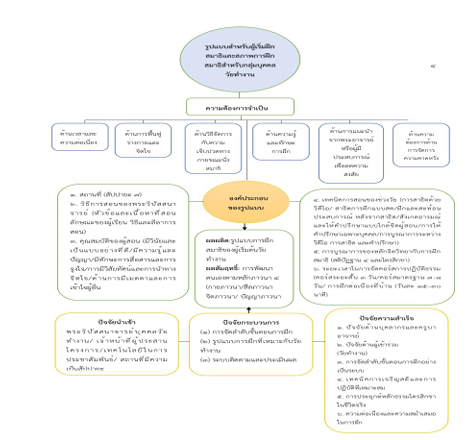
This research aimed to 1) study the current situation, problems, causes, and obstacles of beginners to meditation practice and the state of meditation practice for working-age individuals. 2) study the components of a meditation practice model for beginners in accordance with Buddhist psychology for working-age individuals. 3) present a meditation practice model for beginners in accordance with Buddhist psychology for working-age individuals. It was a qualitative study using documentary research and in-depth interviews with Abbot, Vipassana master, meditation training project organizer and meditation practitioners who are working adults consisted of 17 monks/persons. The findings revealed that: 1) working-adults carry heavy responsibilities and high stress. Turning to meditation practice arises from the driving force of life problems, but they still face obstacles such as distraction, fatigue, and limited time. The essential needs included a suitable schedule, fundamental knowledge, mindfulness techniques, and support from family and teachers 2) The components of model consisted of a suitable environment (sappaya), teaching methods emphasizing real practice, teachers’ qualifications, the use of appropriate techniques and media, the integration of Buddhist psychology, and flexible course duration and 3) The model is divided into input factors, namely instructors, participants, publicity technology, and location; process factors, namely preparation stage, practice stage, and application stage with follow-up system; and outcomes, which are knowledge, meditation skills, and the development of body, morality, mind, and wisdom and 4) The success factors include instructors, participants, the training system, mindfulness techniques, the Threefold Training, and consistency.
Article Details

This work is licensed under a Creative Commons Attribution-NonCommercial-NoDerivatives 4.0 International License.
บทความนี้เป็นความคิดเห็นส่วนผู้แต่ง กองบรรณาธิการไม่จำเป็นต้องเห็นด้วยเสมอไป
References
ทักษิณา ข่ายแก้ว, ผลวิจัยชิ้นใหม่วิจัยพบ "การนั่งสมาธิ" ช่วยบำบัดโรควิตกกังวลและลด
ความเครียดได้, [ออนไลน์]. แหล่งที่มา: https://www.voathai.com/z/1828
[๓๑ ตุลาคม ๒๕๖๗].
พระครูปทุมภาวนาจารย์ และ กมลาศ ภูวชนาธิพงศ์ม “ความสัมพันธ์วิปัสสนากรรมฐานกับหลัก
ไตรสิกขา”, วารสาร มจร อุบลปริทรรศน์, ปีที่ ๕ ฉบับที่ ๓ (กันยายน-ธันวาคม), หน้า
๖๓๒-๖๔๓, ๒๕๖๓.
พระครูปลัดสัมพิพัฒนธรรมาจารย์ (นิรันดร์ ศิริรัตน์), พระมหาชิต โต้งกระโทก และ วิโรจน์
คุ้มครอง, “การส่งเสริมความสำเร็จในการปฏิบัติวิปัสสนาภาวนาตามหลักสัปปายะ”,
วารสารศิลปการจัดการ, ปีที่ ๖ ฉบับที่ ๔(ตุลาคม – ธันวาคม), หน้า ๑๙๐๘-๑๙๒๒,
๒๕๖๕.
พระครูภาวนากิจสุนทร (ฉัตรชัย อธิจิตฺโต), “รูปแบบและวิธีการสอนวิปัสสนากัมมัฏฐานใน
จังหวัดนครศรีธรรมราช”, ดุษฎีนิพนธ์พุทธศาสตรดุษฎีบัณฑิต สาขาวิชาพระพุทธศาสนา, (บัณฑิตวิทยาลัย: มหาจุฬาลงกรณ์มหาวิทยาลัย, ๒๕๖๑), หน้า ๑.
พระครูวชิรธรรมวิเทศ ,“รูปแบบการปฏิบัติปริวาสกรรมตามแนวพุทธจิตวิทยาของวัดพุทธออ
เรกอน ในสหรัฐอเมริกา”, ปริญญาพุทธศาสตรดุษฎีบัณฑิต สาขาพุทธจิตวิทยา,
(บัณฑิตวิทยาลัย: มหาจุฬาลงกรณราชวิทยาลัย, ๒๕๖๗),
พระใบฎีกาณรงค์ฤทธิ์ ฐานวุทฺโฒและคณะ, “รูปแบบการสอนวิปัสสนากัมมัฏฐานของสํานัก
ปฏิบัติธรรมวัดใหญ่ชัยมงคล จังหวัดพระนครศรีอยุธยา”, ดุษฎีนิพนธ์พุทธศาสตรดุษฎี
บัณฑิต สาขาวิปัสสนาภาวนา, (บัณฑิตวิทยาลัย: มหาจุฬาลงกรณ์มหาวิทยาลัย, ๒๕๖๔),
พระใบฎีกาวิจารณ์ ขนฺติโก และศุภกาญจน์ วิชานาติ “ศึกษารูปแบบการจัดการปฏิบัติธรรมของ
สํานักปฏิบัติธรรมวัดเกริ่นกฐิน อําเภอบ้านหมี่จังหวัดลพบุรี”, ดุษฎีนิพนธ์พุทธศาสตร
ดุษฎีบัณฑิต สาขาวิชาวิปัสสนาภาวนา, (บัณฑิตวิทยาลัย: มหาจุฬาลงกรณ์มหาวิทยาลัย,
๒๕๖๔), หน้า ๑๕๔.บทคัดย่อ.
พระพรหมคุณาภรณ์ (ป.อ. ปยุตฺโต), “พุทธธรรม (ฉบับเดิม)”, พิมพ์ครั้ง ๑๐.
(กรุงเทพมหานคร: บริษัท เอส. อาร์ พริ้นเตอร์ แมส โปรดักส์ จ ากัด, ๒๕๔๖), หน้า
๑๗๒.
มหาจุฬาลงกรณราชวิทยาลัย. พระไตรปิฎกภาษาไทย ฉบับมหาจุฬาลงกรณราชวิทยาลัย. กรุงเทพมหานคร : โรงพิมพ์มหาจุฬาลงกรณราชวิทยาลัย, ๒๕๓๙.
วรัญญา กาญจนเนตร, สิริวัฒน์ ศรีเครือดง และ กมลาศ ภูวชนาธิพงศ์, “ผลของการฝึกสมาธิที่มีต่อความเข้มแข็งทางจิตใจตามแนวพุทธจิตวิทยาของกลุ่มผู้ปฏิบัติธรรมวัยผู้ใหญ่”, วารสาร มจร อุบลปริทรรศน์, ปีที่ ๙ ฉบับที่ ๒ (พฤษภาคม-สิงหาคม), หน้า ๑๗๔๗-๑๗๕๖, ๒๕๖๗.
วสันต์ ฉายรัศมีกุล ดำรงค์ เบญจคีรี และ,พระครูปลัดสุวัฒนสัจจคุณ นวัตกรรมและกลไกการเพิ่มประสิทธิภาพการทำสมาธิโดยใช้
เสียงสวดมนต์ ที่เหมาะสมกับกลุ่มคนวัยทำงาน : การศึกษาเชิงพฤติกรรมและ
คลื่นไฟฟ้าสมอง, (สถาบันวิจัยญาณสังวร มหาวิทยาลัยมหามกุฏราชวิทยาลัย, ๒๕๖๕),
หน้า บทคัดย่อ
ศุภวรรณ ธนุภาพรังสรรค์ และมาลีวัล เลิศสาครศิริ, “ผลของการใช้รูปแบบการฝึกสมาธิโดย
บูรณาการสติปัฏฐาน ๔ กับเอสเคที ๑ ต่อความสามารถทางสมอง ความตระหนักรู้
ในตนเองและสัมฤทธิ์ผลทางการเรียนของนักศึกษาพยาบาล”, วารสารพยาบาล
สงขลานครินทร์ ปีที่ ๓๖ ฉบับพิเศษ (กันยายน-ธันวาคม ๒๕๕๙), หน้า ๑๓.
ศูนย์สุขภาพใจ โรงพยาบาลวิมุต, ปัญหาสุขภาพจิตที่กำลังคุกคามวัยทำงาน, [ออนไลน์].
แหล่งที่มา: www. https://mhc7.dmh.go.th/13/05/2024/17974/ [๓๑ ตุลาคม
๒๕๖๗).
สุขวสา ชิตะปัญญา และ พระสุทธิสารเมธี , “สมาธิในชีวิตประจำวัน : การเตรียมตัวก่อน
ทำงาน”, วารสารบัณฑิตศาส์น มหาวิทยาลัยมหามกุฏราชวิทยาลัย, ปีที่ ๒๒ ฉบับที่
๒(กรกฎาคม – ธันวาคม), หน้า ๗๙-๙๑, ๒๕๖๗.
Hyacinth Franca O., “The Impact of Mindfulness Meditation on Workplace
Productivity and Employee Well-Being”, INOSR ARTS AND HUMANITIES,
(1), 20-23, 2023.
