An Analysis of the Four Iddhipāda Principles in Enhancing the Work Potential of Personnel at the Graduate School, Mahachulalongkornrajavidyalaya University
Article Sidebar
Main Article Content
Abstract
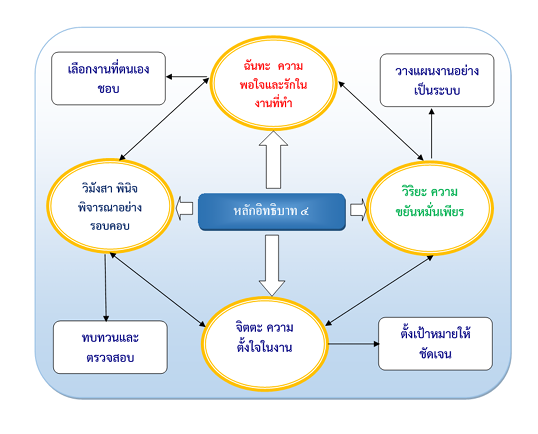
The research entitled “An Analysis of the Four Iddhipada Principles in Enhancing the Work Potential of Personnel under the Graduate School, Mahachulalongkornrajavidyalaya University” aimed to: 1.study the principles of enhancing work potential and the general working conditionsof personnel under the Graduate School, Mahachulalongkornrajavidyalaya University; 2.examine the Four Iddhipada principles that influence the enhancement of personnel work potential; and 3.analyze the application of the Four Iddhipada principles in enhancing the work potential of personnel under the Graduate School, Mahachulalongkornrajavidyalaya University.This study employed a qualitative research methodology, collecting data from documentary research and in-depth interviews with 25 key informants, including administrators, faculty members, and supporting staff. The research instrument used was an in-depth interview form, and the collected data were analyzed and synthesized through descriptive analysis.The findings revealed that effective enhancement of work potential requires internal motivation, relevant knowledge, and skills aligned with one’s responsibilities, supported by organizational factors. Applying the Four Iddhipada principles—namely Chanda (satisfaction and passion for work), Viriya (perseverance and effort), Citta (determination and mindfulness), and Vimamsa (critical reflection and analytical thinking)—serves as a key mechanism to foster motivation and continuous personal and professional development among personnel.The integration of these principles provides a comprehensive framework for strengthening work potential, enabling personnel to achieve higher efficiency, moral integrity, responsibility, and organizational commitment. Furthermore, it contributes to the sustainable development of human resources in alignment with the mission of the Graduate School, Mahachulalongkornrajavidyalaya University, in cultivating competent and ethically conscious personnel dedicated to public service.
Article Details

This work is licensed under a Creative Commons Attribution-NonCommercial-NoDerivatives 4.0 International License.
บทความนี้เป็นความคิดเห็นส่วนผู้แต่ง กองบรรณาธิการไม่จำเป็นต้องเห็นด้วยเสมอไป
References
๑.ภาษาไทย:
ก.ข้อมูลปฐมภูมิ
มหาจุฬาลงกรณราชวิทยาลัย. พระไตรปิฎกภาษาไทย.ฉบับมหาจุฬาลงกรณราชวิทยาลัย.กรุงเทพมหานคร: โรงพิมพ์มหาจุฬาลงกรณราชวิทยาลัย,๒๕๓๙.
ข.ข้อมูลทุติยภูมิ
(๑) หนังสือ :
ณฐาพัชร์ วรพงศ์พัชร์.การบริหารงานตามหลักอิทธิบาท ๔ ของผู้บริหารธุรกิจรับผลิตอาหารเสริมและเครื่องสำอาง ครบวงจร จังหวัดสมุทรสาคร.วารสารวิทยาการจัดการ มหาวิทยาลัยราชภัฏสกลนคร,๒๕๖๘.
ทองดี ศรีตระการ. การพัฒนากลยุทธ์การบริหารสู่ความเป็นเลิศของการจัดการศึกษาระดับบัณฑิตศึกษา มหาวิทยาลัยมหาจุฬาลงกรณราชวิทยาลัย. วารสารครุศาสตร์ปริทรรศน์, ปี ๒๕๖๒.
ภาณุวัชร์ บรรณกร. การพัฒนาระบบการปกครองคณะสงฆ์: แนวทางการศึกษาและบริหารจัดการในมุมมองของพระสังฆาธิการ. กรุงเทพฯ: สำนักพิมพ์คณะสงฆ์.๒๕๖๒.
พระราชบัญญัติการศึกษาแห่งชาติ พ.ศ. ๒๕๔๒, ราชกิจจานุเบกษา เล่มที่ ๑๑๖ ตอนที่ ๗๔ ก, ลงวันที่ ๑๙ สิงหาคม ๒๕๔๒.
พระศักย์พล โพธิกุล ได้ทำวิจัยเรื่อง การจัดการเรียนรู้วิชาพระพุทธศาสนา ตามหลักอิทธิบาท ๔,วารสารสหวิทยาการศึกษาครุศาสตร์ปีที่ ๑ ฉบับที่ ๑ (มกราคม – กุมภาพันธ์๒๕๖๘).
สำนักงานคณะกรรมการการศึกษาแห่งชาติ, สำนักนายกรัฐมนตรี, แผนพัฒนาการศึกษาแห่งชาติ ฉบับที่ ๘ (พ.ศ. ๒๕๔๐-๒๕๔๔), (กรุงเทพมหานคร : อรรถพลการพิมพ์, ๒๕๓๙).
Seng - Wook Kim, Occupational and Organizational Commitment in Different Occupational Contexts the Case of South Korea ๒๐๑๐.Seoul : Sungkyunkwan University.
