The Development of Environmentally Friendly Green Spaces in Temple through Buddhist Peaceful Means by Wat Sarod, Bangkok
Article Sidebar
Main Article Content
Abstract
The research article was based on Ariyasacca (the Four Noble Truths) model in accordance with action research method under the 9-step research framework. The study consisted of three objectives: 1) to analyze context, problems, needs, as well as concepts and theories on the development of environmentally friendly green spaces in temple according to modern science; 2) to examine the Buddhadhamma conducive to the development of environmentally friendly green spaces in temple; and 3) to develop and present the development of environmentally friendly green spaces in temple through Buddhist peaceful means by Wat Sarod, Bangkok. The tools used were questionnaires, in-depth interviews, academic seminars, focus group discussions, non-participant and participant observation. The key informants included 28 persons. The qualitative data were analyzed using content analysis.
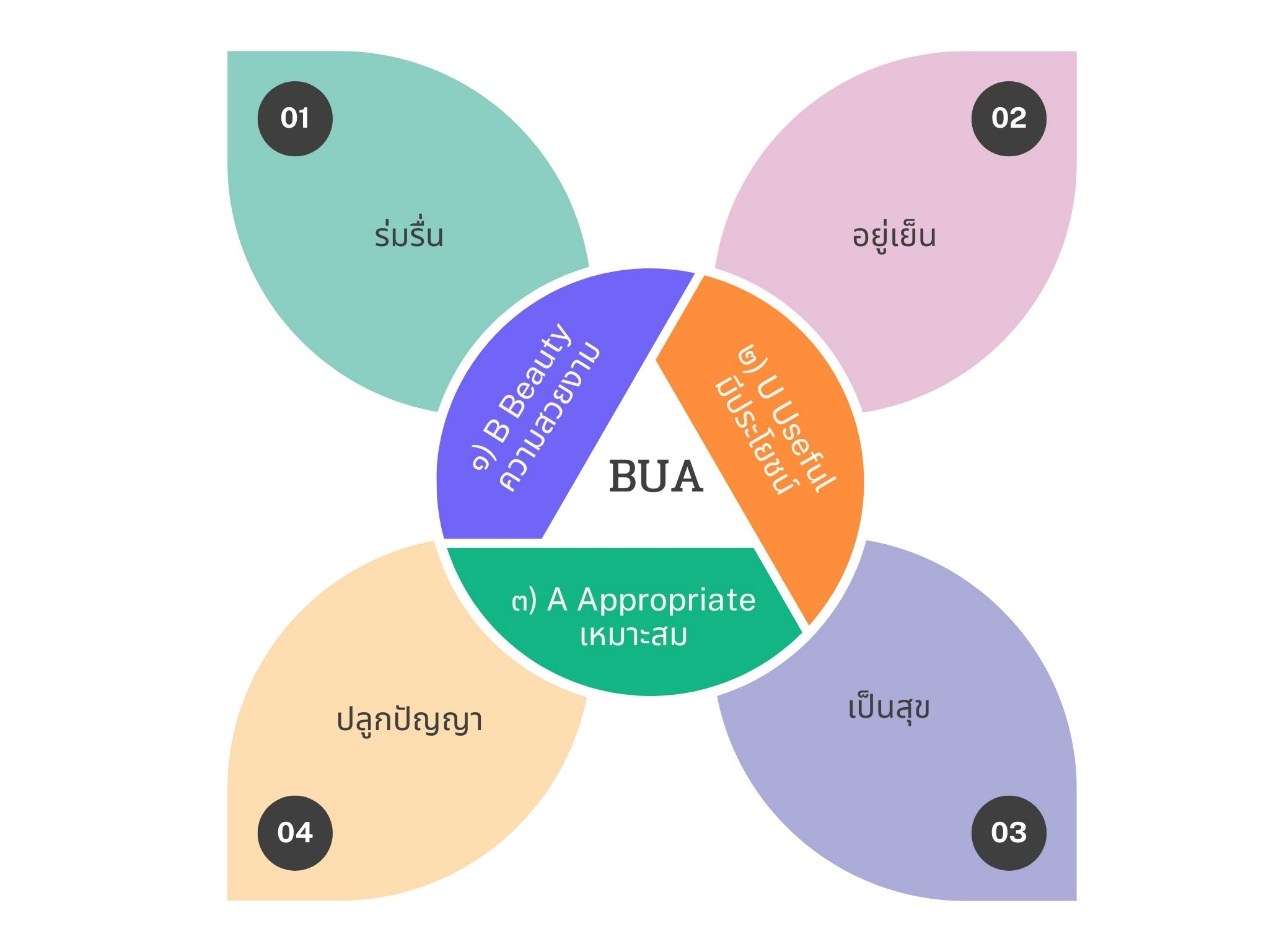
From the study, the following results were found: 1) Wat Sarod is a temple in a community that has very little green space. Most of the areas are concreted and built up with numerous buildings and constructions, resulting in a lack of shade of the trees. Planting trees around them requires excavating a hole with a backhoe since the cement ground is made up of many layers that must be drilled. There are problems in caring for the trees so that they do not die. The soil around the temple is poor due to a lack of organic matter; 2) The Buddhadhamma conducive to the development of environmentally friendly green spaces in temple is Kasibhāradvājasutta (The farmer Bhāradvāja); and 3) The development of green spaces in Sarod temple has resulted in a model called “Bua” with the following three components (1) “B” stands for beauty of gardening, (2) “U” stands for the usefulness of using the garden, and (3) “A” stands for appropriate maintenance and care of the garden, whereby the original environment should not be destroyed but improved so that the original green areas can remain clean and in order. A new body of knowledge from the study comprises five components: (1) Shading, where the temple courtyard is shaded by green trees and a pleasant garden, (2) Comfortable living where the green spaces in the temple are home to animals, as the temple is an animal sanctuary, (3) Happy living where monks and novices are happy from utilizing green spaces to train their minds through meditation, which leads to their happiness, and (5) Cultivation of wisdom, whereby the green spaces inside the temple are conducive to the cultivation of wisdom among the people in the community.
Article Details

This work is licensed under a Creative Commons Attribution-NonCommercial-NoDerivatives 4.0 International License.
บทความนี้เป็นความคิดเห็นส่วนผู้แต่ง กองบรรณาธิการไม่จำเป็นต้องเห็นด้วยเสมอไป
References
ขวัญนภา สุขคร และคณะ, กระบวนการสร้างคุณค่าจากทุนทางสังคมวัฒนธรรม สู่การพัฒนาบนความเข้มแข็งและยั่งยืนของชุมชน ตำบลผาปัง อำเภอแม่พริก จังหวัดลำปาง, รายงานการวิจัย, (มหาวิทยาลัยสวนดุสิต: กรุงเทพมหานคร, ๒๕๖๒), บทคัดย่อ.
โครงการวัดประชารัฐสร้างสุข, การจัดการสิ่งแวดล้อมภายในวัด, [ออนไลน์] แหล่งที่มา : https://www.wat ๓๕๗๙.com/blog/blog/detail/var/๖๔r๒๘๔w๒v๒, (๑๐ กรกฎาคม ๒๕๖๖)
ญาณิศา โคคะมายและวีรพล วีรพลางกูร, การมีส่วนร่วมในการจัดการสิ่งแวดล้อมของสมาชิกชุมชนในเขตเทศบาลตำบลบางเลน อำเภอบางใหญ่ จังหวัดนนทบุรี, HUSO Journal of Humanities and Social Sciences, ปีที่ ๓ ฉบับที่ ๒ (กรกฎาคม – ธันวาคม, ๒๕๖๒): ๑๒.
ธารทิพย์ นิติชาติ, การดำเนินโครงการ ๕ ประสาน สืบสานกสิกรรมทฤษฎีใหม่ของกสิกรรม อำเภอดอยหล่อ จังหวัดเชียงใหม่, วิทยานิพนธ์กสิกรรมศาสตรมหาบัณฑิต (สาขาวิชากสิกรรมศาสตร์และสหกรณ์), (แขนงวิชาส่งเสริมกสิกรรม: มหาวิทยาลัยสุโขทัยธรรมาธิราช, ๒๕๖๐), บทคัดย่อ.
พระมหาวีระศักดิ์ อภินนฺทเวที (แสงพงษ์), บูรณาการหลักพุทธธรรมกับกสิกรรมทฤษฎีใหม่ของศาสตร์พระราชา, สารนิพนธ์ดุษฎีบัณฑิต สาขาพระพุทธศาสนา, (บัณฑิตวิทยาลัย: มหาจุฬาลงกรณราชวิทยาลัย, ๒๕๖๑), บทคัดย่อ.
พระอธิการสมาน กนฺตธมฺโม และคณะ, การจัดการสิ่งแวดล้อมภายในวัดของพรสังฆาธิการในอำเภอวังน้อย จังหวัดพระนครศรีอยุธยา, วิทยานิพนธ์พุทธศาสตรมหาบัณฑิต (สาขาวิชาพุทธศาสนา), (บัณฑิตวิทยาลัย: มหาวิทยาลัยมหาจุฬาลงกรณราชวิทยาลัย, ๒๕๖๖), บทคัดย่อ.
ราชกิจจานุเบกษา, เล่มที่ ๑๓๕ ตอนที่ ๘๒ ก ๑๓ ตุลาคม ๒๕๖๑, หน้า ๑ - ๓.
ราชกิจจานุเบกษา, เล่มที่ ๑๓๕ ตอนที่ ๘๒ ก ๑๓ ตุลาคม ๒๕๖๑, หน้า ๔๕.
ศรายุทธ ผลโพธิ์ และพรรณวดี ครองสำราญ, การวางผังบริเวณแปลงกสิกรรมสาธิต ภายใต้แนวคิดกสิกรรมทฤษฎีใหม่ คณะเทคโนโลยีการกสิกรรม สถาบันเทคโนโลยีพระจอมเกล้าเจ้าคุณทหารลาดกระบัง, รายงานการวิจัย, (คณะเทคโนโลยีการกสิกรรม: สถาบันเทคโนโลยีพระจอมเกล้าเจ้าคุณทหารลาดกระบัง, ๒๕๖๑), บทคัดย่อ.
สำนักงานนโยบายและแผนทรัพยากรธรรมชาติและสิ่งแวดล้อม, สิ่งแวดล้อมเมืองและชุมชนยั่งยืน, (กรุงเทพมหานคร : สำนักงานนโยบายและแผนทรัพยากรธรรมชาติและสิ่งแวดล้อม), หน้าที่ ๑๖.
สำนักอนามัยสิ่งแวดล้อม, การจัดการอนามัยสิ่งแวดล้อมในวัด, (กรุงเทพมหานคร: โรงพิมพ์สามเจริญพาณิชย์, ๒๕๖๒), หน้า คำนำ.
อนุวรรตน์ ศิลาเรืองอำไพ และคณะ, คู่มือโครงการวัดประชารัฐสร้างสุขสร้างสัปปายะด้วยวิถี ๕ส, (กรุงเทพ มหานคร: โรงพิมพ์ซี่ซันกรุ๊ป, ๒๕๖๑), หน้า คำนำ.
