The cultural tourism of wat sarod under bowon framework
Article Sidebar
Main Article Content
Abstract
The article was based on Ariyasacca (the Four Noble Truths) model, under the 9-step research framework, to meet the research objectives. They are to analyze context, problems, needs, examine the Buddhist peace to develop and present the cultural tourism of Wat Sarod under Bowon framework. The tools used were questionnaires, in-depth interviews, academic seminars, focus group discussions, non-participant and participant observation. The key informants included 50 persons. The qualitative data were collected and analyzed using content analysis.
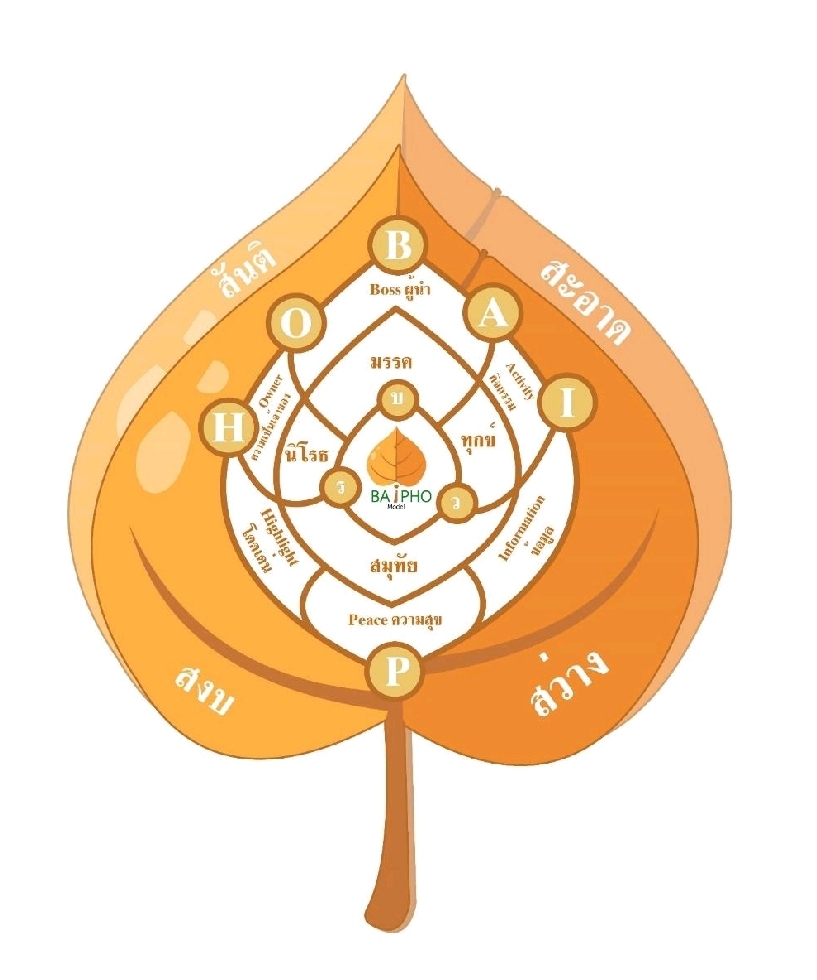
From the study, the following results were found: 1) The current tourism context involves cooperation between people in the community. The problems were the unsystematic management, lack of service points to provide facilitation to tourists. Wat Sarod is the center on the communties in Rat Burana District. 2) Ariyasacca (the four noble truths) are Buddhist peaceful means. 3) Tourism development in temple at Wat Sarod is called “Baipho Model” 6 components: “B” stands for Boss “A” stands for Activity “I” stands for Information “P” stands for Peace “H” stands for "highlight", “O” stands for ownership. The study yielded a new body of knowledge known as the "4C": cleanliness, convenience, calm, and clearness. The physical development was the building of restrooms and traffic line coating. The training development was the guide course, the first batch, to the students of Wat Sarod.
Article Details

This work is licensed under a Creative Commons Attribution-NonCommercial-NoDerivatives 4.0 International License.
บทความนี้เป็นความคิดเห็นส่วนผู้แต่ง กองบรรณาธิการไม่จำเป็นต้องเห็นด้วยเสมอไป
References
กรมการศาสนา กระทรวงวัฒนธรรม, ไหว้พระ ๑๐ วัด สืบสิริสวัสดิ์ ๑๐ รัชกาล, (กรมการศาสนา กระทรวงวัฒนธรรม, ๒๕๕๙), หน้า ๖.
กรรณิกา คำดี, “วัดและศาสนสถานในมิติของการท่องเที่ยว”, วารสารบัณฑิตศึกษา มนุษยศาสตร์และสังคมศาสตร์ มหาวิทยาลัยขอนแก่น, ปีที่ ๔ ฉบับที่ ๒ (กรกฎาคม - ธันวาคม ๒๕๕๘): ๑๗๗ - ๑๗๘.
ขวัญนภา สุขคร และคณะ, ฝ่ายสาธารณูปการ มหาเถรสมาคม,
“การศึกษาวิจัยเรื่องยุทธศาสตร์การจัดการการท่องเที่ยวเชิงบูร ณาการ: ตามแนวคิดลำปางเมืองที่ไม่หมุนตามกาลเวลา”, รายงานการวิจัย, (ศูนย์การศึกษานอกที่ตั้งลำปาง: มหาวิทยาลัยสวนดุสิต, ๒๕๖๐), หน้า ก-ค.
แผนยุทธศาสตร์และแนวปฏิบัติโครงการวัด ประชา รัฐ สร้างสุข พ.ศ. ๒๕๖๑ - ๒๕๖๕, (นนทบุรี: นิติธรรมการพิมพ์, ๒๕๖๒), หน้า ๑๒.
ฝ่ายสาธารณูปการ มหาเถรสมาคม,
แผนยุทธศาสตร์และแนวปฏิบัติโครงการวัด ประชา รัฐ สร้างสุข พ.ศ. ๒๕๖๑ - ๒๕๖๕, (นนทบุรี: นิติธรรมการพิมพ์, ๒๕๖๒), หน้า ๑๙.
พระปลัดบุญเลิศ กตปุญฺโญ (สุทธิมาลย์), “การจัดการการท่องเที่ยวเชิงพุทธ: กรณีศึกษา วัดใหญ่บางปลากด”, วิทยานิพนธ์พุทธศาสตร์มหาบัณฑิต สาขาวิชาพระพุทธศาสนา, (บัณฑิตวิทยาลัย: มหาวิทยาลัยมหาจุฬาลงกรณราชวิทยาลัย, ๒๕๖๐), บทคัดย่อ.
พระมหาหรรษา ธมฺมหาโส, พุทธสันติวิธี:
การบูรณาการหลักการและเครื่องมือจัดการความขัดแย้ง, (กรุงเทพมหานคร: บริษัท ๒๑เซ็นจูรี่ จำกัด, ๒๕๕๔), หน้า ๑๕.
พระราชวรเมธี และคณะ, พระสุธีรัตนบัณฑิต ดร. (สุทิตย์ อาภากโร) และคณะ,
แผนยุทธศาสตร์การปฏิรูปกิจการพระพุทธศาสนา ๒๕๖๐ – ๒๕๗๙ “การนำนโยบายสู่การปฏิบัติ”, [ออนไลน์] แหล่งที่มา: http://www.buddhism4. com/web/ download/book%201.pdf [๑๒ มีนาคม ๒๕๖๕].
“การท่องเที่ยวทางศาสนาและวัฒนธรรม: นโยบาย ผลกระทบ และการจัดการเชิงเครือข่าย
เพื่อเสริมสร้างจิตสำนึกร่วมทางประวัติศาสตร์และทางวัฒนธรรม ของประชาคมอาเซียน”, รายงานการวิจัย, (สำนักงานคณะกรรมการวิจัยแห่งชาติ (วช.) และสำนักงานกองทุนสนับสนุนการวิจัย (สกว.), ๒๕๖๐), บทคัดย่อ.
สำนักงานเลขานุการของคณะกรรมการยุทธศาสตร์ชาติ สำนักงานคณะกรรมการพัฒนาการเศรษฐกิจและสังคมแห่งชาติ, ร่างยุทธศาสตร์ชาติ ฉบับเสนอสภานิติแห่งชาติ มิถุนายน ๒๕๖๑, [ออนไลน์], แหล่งที่มา:
http://www.nesdb.go.th/download/document/SAC/NS_Draft planJune2018F.pdf [๑๕ กันยายน ๒๕๖๕].
อรศรี งามวิทยาพงศ์ และคณะ, กลยุทธ์ฟื้นวัด คืนธรรม นำเมือง, (กรุงเทพมหานคร: สถานบันอาศรมศิลป์, ๒๕๖๐), หน้า ๑๓.
