การเรียนรู้หลักธรรมสำคัญในพระพุทธศาสนา การเรียนรู้หลักธรรมสำคัญในพระพุทธศาสนา
Article Sidebar
Main Article Content
บทคัดย่อ
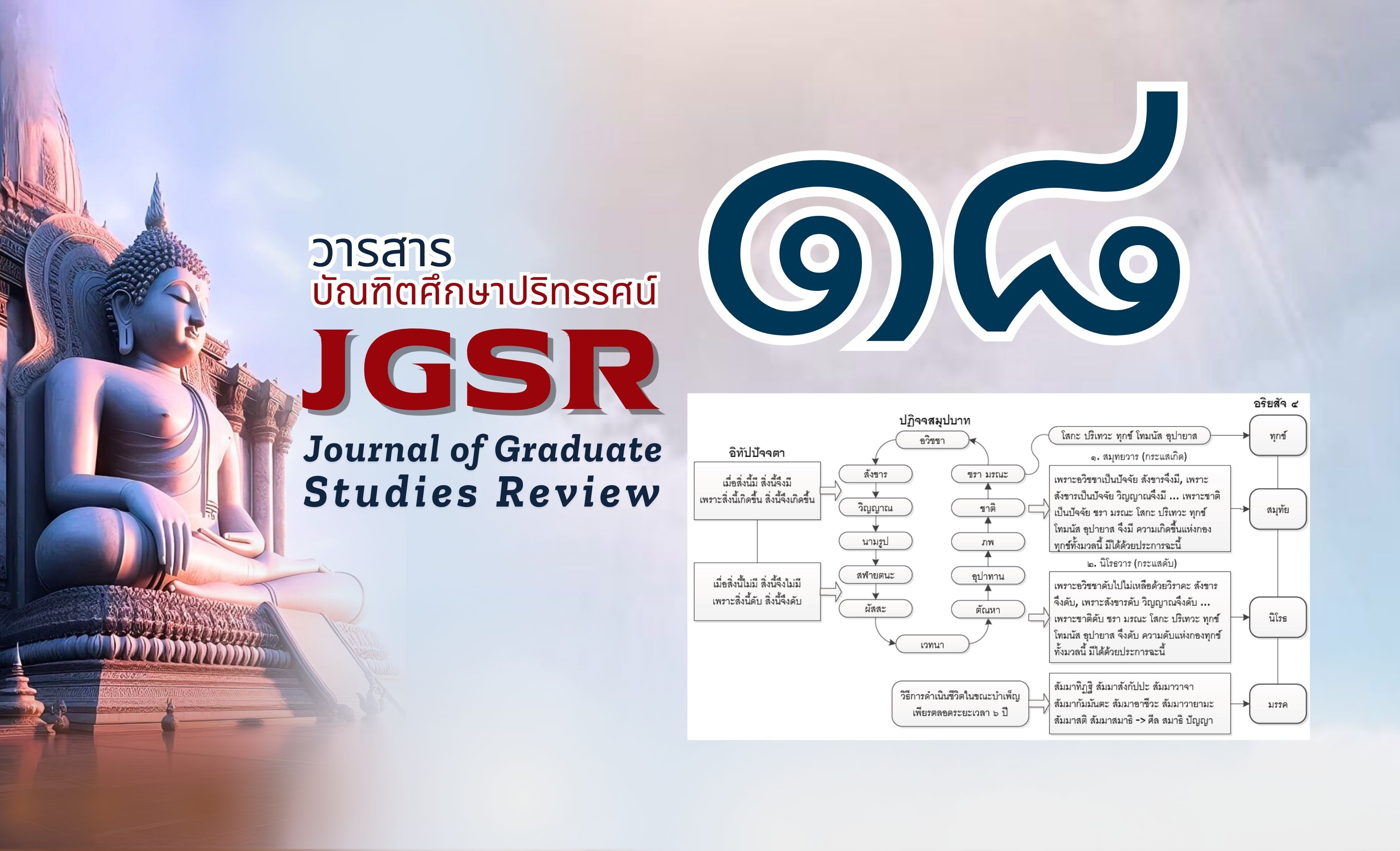
หลักธรรมในพระพุทธศาสนาลึกซึ้งและยากที่จะเข้าใจให้กระจ่าง เพราะประกอบด้วยหลักทฤษฎีและการปฏิบัติที่จะต้องลงรอยไปด้วยกัน พระไตรปิฎกภาษาบาลีฉบับภาษาไทย อันเป็นหลักฐานชั้นต้นของพุทธศาสนาฝ่ายเถรวาท มีมากถึง ๔๕ เล่ม นับได้ประมาณ ๒๒,๔๐๐ หน้า แต่ด้วยเหตุที่พระพุทธศาสนามีคำสอนมาจากรากเดียวกัน ถ้าผู้ศึกษาจับแนวทางของการศึกษาได้ หลักคำสอนแม้นจะมีมากมาย ก็จะค่อยไหลลื่นเข้าสู่กระแสแห่งการเข้าใจของตนได้อย่างมีระบบ บทความนี้ชี้ให้เห็นว่า ก่อนการตรัสรู้ พระพุทธเจ้าทรงคิดค้นและวิเคราะห์หลักธรรมสำคัญๆ เช่น ธาตุ ๔ อายตนะ ๖ และ ปฏิจจสมุปบาท มาก่อน ในคืนตรัสรู้ พระองค์บรรลุวิชชา ๓ และตรัสรู้อริยสัจ ๔ เป็นพระอรหันตสัมมาสัมพุทธเจ้า โดยเนื้อแท้แล้ว สิ่งสำคัญที่เกิดขึ้นแก่พระพุทธองค์ในคืนนั้น คือ การกำจัดอาสวกิเลสได้หมดสิ้น และการตรัสรู้อริยสัจ ๔ การตรัสรู้คือการสังเคราะห์ปฏิจจสมุปบาทลงเป็นอริยสัจ ๓ ข้อแรก และสรุปประสบการณ์ในขณะบำเพ็ญเพียรตลอดเวลา ๖ ปี ลงเป็นแนวทางการปฏิบัติเพื่อการดับทุกข์ที่เรียกว่า มรรค ๘ ดังนั้น ปฏิจจสมุปบาทและอริยสัจ ๔ จึงเป็นหลักธรรมสายเดียวกันและเป็นรากเหง้าของหลักคำสอนในพระพุทธศาสนา หลักคำสอนทั้งสองนี้ยังได้ชี้ไปที่หลักอิทัปปัจจยตา อันเป็นคำสอนเรื่องความเป็นเหตุปัจจัยของสิ่งต่างๆ การเข้าใจหลักคำสอนชุดนี้ จะช่วยให้เข้าใจคำสอนอื่นๆ ได้ง่ายขึ้น เช่น พุทธอุทานที่ทรงเปล่งหลังจากการตรัสรู้ได้ ๗ วัน ธรรมจักษุที่เกิดแก่พระอัญญาโกณฑัญญะหลังจากได้ฟังธัมมจักกัปปวัตนสูตร และ คาถาเยธัมมาที่พระอัสสชิแสดงแก่อุปติสสมาณพ
Article Details

อนุญาตภายใต้เงื่อนไข Creative Commons Attribution-NonCommercial-NoDerivatives 4.0 International License.
บทความนี้เป็นความคิดเห็นส่วนผู้แต่ง กองบรรณาธิการไม่จำเป็นต้องเห็นด้วยเสมอไป
เอกสารอ้างอิง
กองตำราคณะธรรมทาน. ปฏิจจสมุปบาทจากพระโอษฐ์. พิมพ์ครั้งที่ ๑. พระนคร: การพิมพ์พระนคร, ๒๕๒๑.
พระพุทธโฆสาจารย์. วิสุทธิมรรคแปล ภาค ๓ ตอน ๑. แปลโดยกองวิชาการ. กรุงเทพมหานคร: มหามกุฏราชวิทยาลัย, ๒๕๐๙.
พระพรหมคุณาภรณ์ (ป. อ. ปยุตฺโต). พุทธธรรม ฉบับปรับขยาย. กรุงเทพมหานคร: กองทุน ป. อ. ปยุตฺโต เพื่อเชิดชูธรรม, ๒๕๕๕.
พระมหาดาวสยาม วชิรปัญโญ, “การแพร่กระจายของคาถาเยธัมมาจากชมพูทวีปสู่สุวรรณภูมิ”, วารสารบัณฑิตศึกษามหาจุฬาขอนแก่น [๑๕ กรกฎาคม ๒๕๖๗].
มหาจุฬาลงกรณราชวิทยาลัย. พระไตรปิฎกภาษาไทย ฉบับมหาจุฬาลงกรณราชวิทยาลัย. กรุงเทพมหานคร: โรงพิมพ์มหาจุฬาลงกรณราชวิทยาลัย, ๒๕๓๙.
ศูนย์มานุษยวิทยาสิริธร, ศิลาจารึกในประเทศไทย, [ออนไลน์], แหล่งที่มา: https://db.sac.or.th/inscriptions/inscribe/search [๒๐ กรกฎาคม ๒๕๖๗].
