การพัฒนาคุณภาพชีวิตตามหลักกรรมในคัมภีร์เปตวัตถุเชิงพุทธบูรณาการ
Article Sidebar
Main Article Content
บทคัดย่อ
งานวิจัยเรื่อง “การพัฒนาคุณภาพชีวิตตามหลักกรรมในคัมภีร์เปตวัตถุเชิงพุทธบูรณาการ” มีวัตถุประสงค์ คือ (๑) เพื่อศึกษาแนวคิดและหลักการพัฒนาคุณภาพชีวิตตามหลักพระพุทธศาสนาและทฤษฎีมนุษยนิยมของอับราฮัม มาสโลว์ (๒) เพื่อศึกษาเนื้อหาสาระเรื่องกฎแห่งกรรมในคัมภีร์เปตวัตถุ และ (๓) เพื่อนำเสนอแนวทางการพัฒนาคุณภาพชีวิตตามคติสอนใจเรื่องกฎแห่งกรรมในคัมภีร์เปตวัตถุเชิงพุทธบูรณาการ เป็นงานวิจัยเชิงคุณภาพ และมีการวิจัยภาคสนามผ่านการสัมภาษณ์ผู้ทรงคุณวุฒิ
ผลการวิจัยพบว่า หลักกรรมในพุทธศาสนาเป็นระบบเหตุผลที่เชื่อมโยงการกระทำกับผลอย่างแนบแน่น มีผลต่อพฤติกรรมทั้งตรงและอ้อม คัมภีร์เปตวัตถุแสดงเรื่องผลกรรมผ่านการบอกเล่าของเปรตผู้เป็นเจ้าของเรื่องและบุคคลที่เกี่ยวข้องซึ่งเป็นการยืนยันว่า ชีวิตหลังความตายดำเนินต่อไปตามอำนาจกรรม เมื่อเปรียบกับทฤษฎีมาสโลว์พบว่า ทั้งสองแนวคิดให้ความสำคัญกับคุณภาพชีวิตทั้งด้านวัตถุและจิตใจ แต่พุทธศาสนาเน้นพัฒนาไปสู่โลกุตระ คือ ความพ้นทุกข์อย่างยั่งยืน
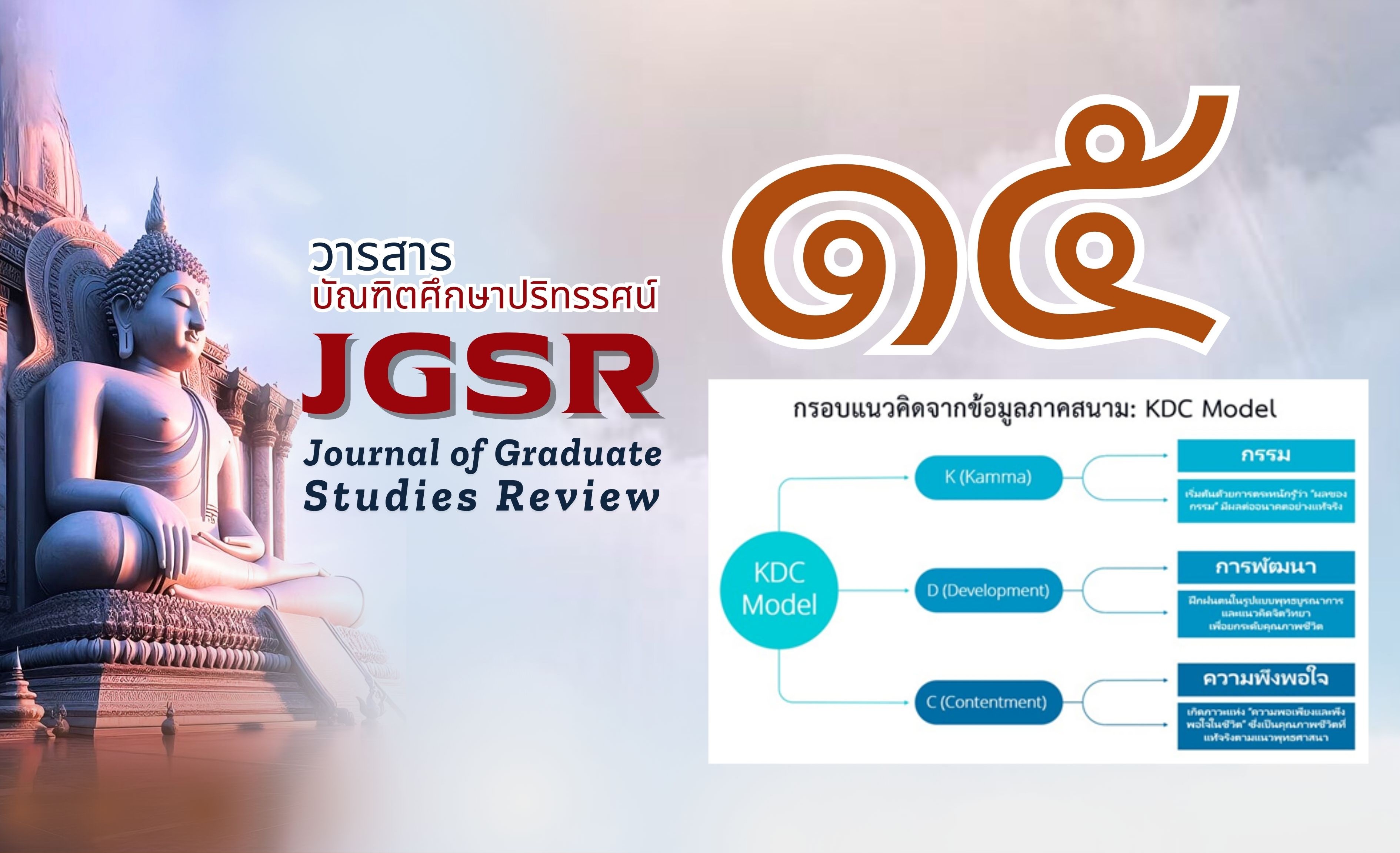
ข้อมูลจากผู้ทรงคุณวุฒิยืนยันว่า ความเข้าใจหลักกรรมอย่างถูกต้องช่วยให้เกิดการตระหนักรู้ เป้าหมายชีวิตที่ชัดเจน ความรับผิดชอบ และการจัดการปัญหาอย่างมีสติ ทั้งยังลดทุกข์ใจจากเหตุการณ์ไม่พึงประสงค์ โดยตระหนักว่าผลกรรมชั่วในอดีตสามารถแก้ไขได้ผ่านกรรมดีในปัจจุบัน การบูรณาการหลักกรรมสู่การพัฒนาคุณภาพชีวิตที่ดีจึงต้องมีความสมดุล ทั้งทางวัตถุ สังคม จิตใจ และจิตวิญญาณ ผ่านหลักกรรม การพัฒนา และความพึงพอใจ ตามองค์ความรู้ KDC Model ที่ได้จากการวิจัยเรื่องนี้.
Article Details

อนุญาตภายใต้เงื่อนไข Creative Commons Attribution-NonCommercial-NoDerivatives 4.0 International License.
บทความนี้เป็นความคิดเห็นส่วนผู้แต่ง กองบรรณาธิการไม่จำเป็นต้องเห็นด้วยเสมอไป
เอกสารอ้างอิง
ก.ข้อมูลปฐมภูมิ
มหาจุฬาลงกรณราชวิทยาลัย. พระไตรปิฎกภาษาไทย เล่มที่ ๒๕ ขุททกนิกาย ธรรมบท.
ฉบับมหาจุฬาลงกรณราชวิทยาลัย.กรุงเทพมหานคร: โรงพิมพ์มหาจุฬาลงกรณราชวิทยาลัย, ๒๕๓๙.
_________. พระไตรปิฎกภาษาไทย เล่มที่ ๑๑ ทีฆนิกาย ปาฎิกวรรค. ฉบับมหาจุฬาลงกรณราชวิทยาลัย.กรุงเทพมหานคร: โรงพิมพ์มหาจุฬาลงกรณราชวิทยาลัย, ๒๕๓๙.
_________. บทนำพระไตรปิฎกภาษาไทย เล่มที่ ๒๖ ขุททกนิกาย เปตวัตถุ. .ฉบับมหาจุฬาลงกรณราชวิทยาลัย.กรุงเทพมหานคร: โรงพิมพ์มหาจุฬาลงกรณราชวิทยาลัย, ๒๕๓๙.
ข.ข้อมูลทุติยภูมิ
(๑) หนังสือ :
พุทธทาสภิกขุ. กรรมและการอยู่เหนือกรรม. กรุงเทพมหานคร: ธรรมสภา, ๒๕๓๙.
(๒) บทความวิจัย
พระชัยชนะ อิทฺธิเตโช, “การพัฒนาคุณภาพชีวิตตามหลักพระพุทธศาสนา” วารสาร มจร การพัฒนา
สังคม (ปีที่ ๕ ฉบับที่ ๓ กันยายน – ธันวาคม ๒๕๖๓)
อธิพัฒน์ วรนิธิภาคย์, “ปรัชญาทางสังคมศาสตร์และการวิเคราะห์ทฤษฎีลําดับขั้นของความต้องการของอับราฮัม ฮาโรลด์ มาสโลว์” วารสาร วิชาการ ไทยวิจัยและการจัดการ ปีที่ ๔ ฉบับที่ ๓ (กันยายน-ธันวาคม๒๕๖๖ ) หน้า ๖๗.
(๓) บทความวิชาการ (ภาษาอังกฤษ)
Maslow, A. H. (1943). “A theory of human motivation”, Psychological Review,
(4), 370–396.
