
The Meaning in Life : An Analysis of Ideas towards the Practice of Literary Criticism
Keywords:
Meaning in Life, Literary Criticism, PsychologyAbstract
The meaning in life is to perceive and understand the experiences that occur in a person's life. It involves being aware of one's identity and potential, accepting the situation and challenges one faces, and learning from them in order to move forward with confidence. The concept of the meaning in life is a psychological idea that can be linked to the study of literature to examine the themes presented in creating meaning in life for readers. This synthesized study is done through the components of literature and psychology to demonstrate the meaning of life appearing in the text. This leads to the creation of questions or lessons that make readers aware of the meaning of their own lives, recognize the value of life, and use it to create a creative society. Searching for the meaning of life through literature can be a driving force in creating a meaningful society in the future.
References
กันยารัตน์ เมืองแก้ว. (2561). ความหมายในชีวิต: ตัวแปรด้านความเข้มแข็งเชิงจิตวิทยา. ศึกษาศาสตร์ มหาวิทยาลัยศิลปากร, 16(1), 6-23.
ขวัญชนก นัยจรัญ. (2564). จากวรรณกรรมสู่การสร้างจิตสำนึกเชิงนิเวศสำหรับเยาวชน: กรณีศึกษานวนิยายเยาวชนรางวัลแว่นแก้ว. วิจัยราชภัฏพระนคร สาขามนุษยศาสตร์และสังคมศาสตร์, 16(1), 71-84.
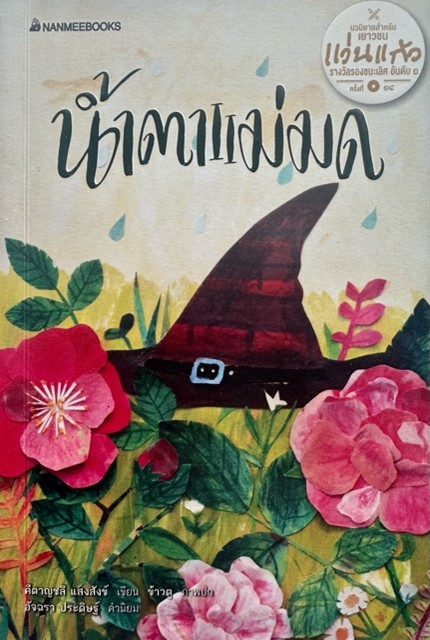
คีตาญชลี แสงสังข์. (2561). น้ำตาแม่มด. กรุงเทพฯ: นานมีบุ๊คส์.
ณาตรการณ์ ชยุตสาหกิจ. (2557). การสนับสนุนจากครอบครัว ความหมายในชีวิต และสุขภาวะในเยาวชนผู้กระทำผิดที่ใช้สารเสพติด : การวิจัยแบบผสมผสาน. (วิทยานิพนธ์ศิลปศาสตรมหาบัณฑิต, สาขาวิชาจิตวิทยา, จุฬาลงกรณ์มหาวิทยาลัย).
ดวงมนต์ จิตร์จำนง. (2556). วรรณคดีวิจารณ์เบื้องต้น. กรุงเทพฯ: ประพันธ์สาส์น.
ปิติณัช สมบัติหอม และ ภิญญาพันธ์ เพียซ้าย. (2560). มิติความหมายในชีวิตของวัยผู้ใหญ่ตอนต้นในกรุงเทพมหานคร. ใน การประชุมวิชาการเสนอผลงานวิจัยบัณฑิตศึกษาระดับชาติและนานาชาติ 2560 (น. 1210-1221). ขอนแก่น: มหาวิทยาลัยขอนแก่น.สืบค้นจาก https://gsbooks.gs.kku.ac.th/60/nigrc2017/pdf/HMO8.pdf
ฟรังเคิล, วี. อี. (2558). ชีวิตไม่ไร้ความหมาย [Man's Search for Meaning] (นพมาส แววหงส์, ผู้แปล). กรุงเทพฯ: แพรว.
โมกิ, เค. (2565). อิคิไก [The Little Book of Ikigai] (ชัย กฤษณะประกรกิจ, ผู้แปล). กรุงเทพฯ: ซีเอ็ดยูเคชั่น.
วิทย์ ศิวะศริยานนท์. (2531). วรรณคดีและวรรณคดีวิจารณ์. กรุงเทพฯ: ไทยวัฒนาพานิช.
สมิธ, อี. อี. (2560). อะไรทำให้ชีวิตคนเรามีความหมาย [The Power of Meaning] (อรวรรณ คูหเจริญ นาวายุทธ, ผู้แปล). กรุงเทพฯ: โอ้มายก้อด.
สุรเดช โชติอุดมพันธ์. (2560). ทฤษฎีวรรณคดีวิจารณ์ตะวันตกในคริสต์ศตวรรษที่ 20. (พิมพ์ครั้งที่ 2). กรุงเทพฯ: สำนักพิมพ์แห่งจุฬาลงกรณ์มหาวิทยาลัย.
_______ . (2564). วรรณคดีทัศนา (พิมพ์ครั้งที่ 2). กรุงเทพฯ: โครงการเผยแพร่ผลงานวิชาการ คณะอักษรศาสตร์ จุฬาลงกรณ์มหาวิทยาลัย.
อรัญญา ตุ้ยคำภีร์. (2559). จิตบำบัดแนวความหมายในชีวิต (พิมพ์ครั้งที่ 4). กรุงเทพฯ: โรงพิมพ์แห่งจุฬาลงกรณ์มหาวิทยาลัย.
อิศรา รุ่งทวีชัย, ดลดาว ปูรณานนท์ และชมพูนุท ศรีจันทร์นิล. (2562). การศึกษาความหมายในชีวิตเชิงประสบการณ์ของนักศึกษา ระดับปริญญาตรี คณะครุศาสตร์. มหาจุฬาวิชาการ, 6(ฉบับพิเศษ), 85-99.
Hfocus เจาะลึกระบบสุขภาพ. (2566). ภาวะสังคมไทย 2565 ป่วยซึมเศร้าพุ่งสูง แนวโน้มวัยรุ่น-วัยทำงานฆ่าตัวตายเพิ่มขึ้น. สืบค้นจาก https://www.hfocus.org/content/2023/03/27358
Downloads
Published
How to Cite
Issue
Section
License
Copyright (c) 2023 Faculty of Humanities and Social sciences, Pibulsongkram Rajabhat University

This work is licensed under a Creative Commons Attribution-NonCommercial-NoDerivatives 4.0 International License.
บทความที่ได้รับการตีพิมพ์เป็นลิขสิทธิ์ของคณะมนุษยศาสตร์และสังคมศาสตร์ มหาวิทยาลัยราชภัฏพิบูลสงคราม
บทความหรือข้อคิดใด ๆ ที่ปรากฏในวารสารอักษราพิบูลที่เป็นวรรณกรรมของผู้เขียน บรรณาธิการ หรือ มหาวิทยาลัยราชภัฏพิบูลสงคราม ไม่จำเป็นต้องเห็นด้วย



