
Enhancing Thai Language Instruction for Chinese Students through Animation Media: A Developmental Approach Using the ADDIE Model
คำสำคัญ:
สื่อแอนิเมชัน, ภาษาไทยสำหรับชาวจีน, การสอนเชิงนวัตกรรมการสอน, รูปแบบ ADDIEบทคัดย่อ
การวิจัยครั้งนี้มีความมุ่งหมายเพื่อ 1) พัฒนาสื่อแอนิเมชันการสอนภาษาไทยสำหรับชาวจีนโดยใช้ ADDIE Model 2) เพื่อประเมินประสิทธิภาพจากการใช้แอนิเมชันในการเรียนรู้ภาษา 3) เพื่อศึกษาผลสัมฤทธิ์ทางการเรียนและความพึงพอใจของการใช้สื่อแอนิเมชัน เครื่องมือที่ใช้ในการวิจัยประกอบด้วย แบบทดสอบวัดผลสัมฤทธิ์ แบบประเมินประสิทธิภาพ และแบบประเมินความพึงพอใจ กลุ่มตัวอย่างเป็นนักศึกษาชาวจีนชั้นปี 2 จำนวน 28 คน ซึ่งเรียนภาษาไทย ณ Yuxi Normal University สาธารณรัฐประชาชนจีน วิเคราะห์ข้อมูลจากการหาค่าเฉลี่ย ร้อยละ และส่วนเบี่ยงเบนมาตรฐาน
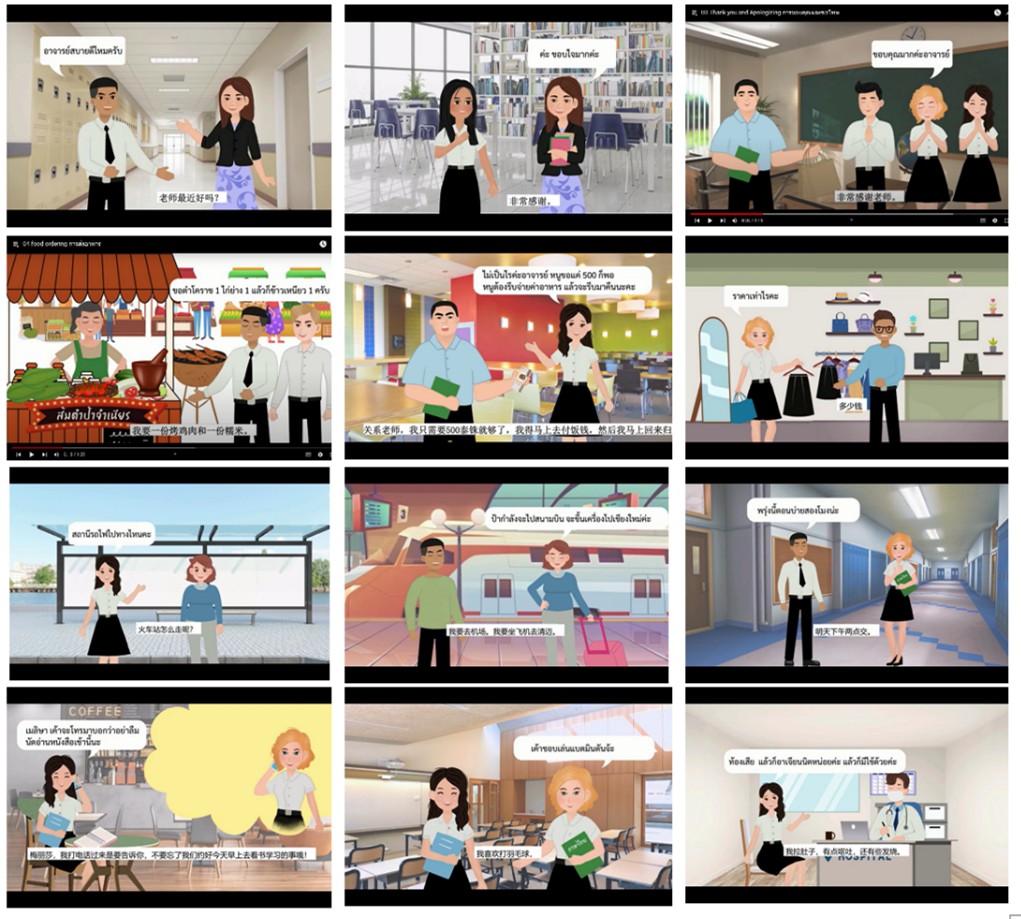
ผลการพัฒนาสื่อแอนิเมชันการสอนภาษาไทยสำหรับชาวจีนแสดงให้เห็นถึงความสำเร็จของการวิจัยที่มีการออกแบบและพัฒนาสื่อที่มีเนื้อหาครอบคลุมทักษะการสื่อสารที่จำเป็นของผู้เรียนทั้ง 12 เรื่อง ผลการประเมินประสิทธิภาพสื่อแอนิเมชัน จากผู้เชี่ยวชาญมีประสิทธิภาพในระดับสูง ผลประเมินผลสัมฤทธิ์ทางการเรียนจากการใช้สื่อแอนิเมชัน พบว่ามีประสิทธิภาพสูงกว่าเกณฑ์มาตรฐานที่กำหนดไว้ นอกจากนี้ ผลการประเมินความพึงพอใจของผู้เรียน อยู่ในระดับมากที่สุด แสดงให้เห็นว่างานวิจัยนี้มีส่วนสำคัญในการยกระดับการจัดการเรียนการสอนภาษาไทยสำหรับชาวต่างชาติผ่านนวัตกรรมดิจิทัล โดยเพิ่มประสิทธิภาพในการเรียนรู้ และช่วยส่งเสริมความสนใจของผู้เรียน การวิจัยนี้จึงเป็นแนวทางในการพัฒนาเนื้อหาทางการศึกษาในการสอนภาษาไทยให้แก่ชาวต่างประเทศต่อไปในอนาคต
เอกสารอ้างอิง
Anan, T., & Kunwong, S. (2018). Computer-assisted instruction with 2D cartoon animation on Baibok and Bua Bua for Prathomsuksa 1 students, Thai language learning group, case study: Ban Saew Pradu School. Academic Journal of Information Technology Applications, 2(1), 49-59. https://ph02.tci-thaijo.org/index.php/project-journal/article/view/152767
Hidayati, A. (2022). Development of "Kenalada" animation media as a learning media during the Covid-19. International Journal of Applied Guidance and Counseling, 3(1), 31-38. https://doi.org/10.26486/ijagc.v3i1.2291
Jamsai, R., & Pilanthananon, N. (2019). The development of English self-learning media for taxi drivers of Sripatum International Language and Culture Institute, Sripatum University. Humanities and Social Sciences Journal, Ubon Ratchathani Rajabhat University, 10(1), 104-118. https://so01.tci-thaijo.org/index.php/humanjubru/article/view/172056
Keadplang, K., Ngamnikorn, T., & Huanarom, Y. (2025). Creating a Supportive and Engaged Environment for Foreign Language Learning: a Comparative Perspective on Learning English, Thai, and Chinese. Journal of the Graduate Network of Northern Rajabhat University (GNRU), 15(1), 99-112. https://so02.tci-thaijo.org/index.php/JGNRU/article/view/275744
Lerdsuwan, K., & Thaima, W. (2022). A development of multimedia with active learning management in Thai conversation courses for Chinese students. Journal of Modern Learning Development, 7(11), 223–239. https://so06.tci-thaijo.org/index.php/jomld/article/view/258026
McGriff, S. J. (2000). Instructional System Design (ISD): Using the ADDIE Model. https://snazlan.wordpress.com/wp-content/uploads/2017/03/instructional-system-design-isd-using-the-addie-model.pdf
Muyassaroh, L. U., Mardasari, O. R., Ventivani, A., Z. R.A., N. A., & Mahardika, T. (2021). Development of learning media for Chinese language based on interactive animation videos on directional complement. In W. Striełkowski, J. M. Black, S. A. Butterfield, C. Chang, J. Cheng, F. P. Dumanig, R. Al-Mabuk, R. Al-Mabuk, M. Urban, & S. Webb (Eds.), Proceedings of the International Seminar on Language, Education, and Culture (ISoLEC 2021) (pp.186-188). Atlantis. https://doi.org/10.2991/assehr.k.211212.035
Plangsorn, R. (2017). The science of teaching Thai as a foreign language. Chulalongkorn University Press.
Putthasatien, K. (2017). The Development of Thai Tonal Pronunciation Exercise: A Case Study of Chinese Students, NRRU. Journal of Language, Religion and Culture, 6(1), 1-12. https://so03.tci-thaijo.org/index.php/gshskku/article/view/80349
Sringam, P. (2021). Development of an application for testing basic Thai vocabulary activities for foreign students. RMUTSB Academic Journal (Humanities and Social Sciences), 6(2), 248–260. https://so05.tci-thaijo.org/index.php/rmutsb-hs/article/view/250709
Suchanavanich, J. (2018). Teaching Chinese as a Foreign Language by Information and Communication Technology (ICT): A Case Study of the People's Republic of China. KKU Research Journal (Graduate Studies) Humanities and Social Sciences, 6(2), 1-13. https://so04.tci-thaijo.org/index.php/gskkuhs/article/view/130967
Teeranon, P. (2020). Chinese Learners Learning Thai Language with an Application: Evidence from an Acoustic Study and a Perception Test. Asian Journal of Education and Training, 6(2), 330–340. https://doi.org/10.20448/journal.522.2020.62.330.340
Wiboolyasarin, W. (2015). A web-based instructional design principle based on ADDIE model to teach fundamental Thai conversation for foreigners. Srinakharinwirot Research and Development Journal of Humanities and Social Sciences, 6(12), 192-205. https://ejournals.swu.ac.th/index.php/swurd/article/view/5050
ดาวน์โหลด
เผยแพร่แล้ว
รูปแบบการอ้างอิง
ฉบับ
ประเภทบทความ
สัญญาอนุญาต
ลิขสิทธิ์ (c) 2026 คณะมนุษยศาสตร์และสังคมศาสตร์ มหาวิทยาลัยราชภัฏพิบูลสงคราม

อนุญาตภายใต้เงื่อนไข Creative Commons Attribution-NonCommercial-NoDerivatives 4.0 International License.
บทความที่ได้รับการตีพิมพ์เป็นลิขสิทธิ์ของคณะมนุษยศาสตร์และสังคมศาสตร์ มหาวิทยาลัยราชภัฏพิบูลสงคราม
บทความหรือข้อคิดใด ๆ ที่ปรากฏในวารสารอักษราพิบูลที่เป็นวรรณกรรมของผู้เขียน บรรณาธิการ หรือ มหาวิทยาลัยราชภัฏพิบูลสงคราม ไม่จำเป็นต้องเห็นด้วย



