ปัจจัยเชิงสาเหตุที่มีอิทธิพลต่อความเต็มใจยอมรับและนำเทคโนโลยีและนวัตกรรมทางการเกษตรมาใช้ของเกษตรกรรุ่นใหม่ในประเทศไทย
คำสำคัญ:
ความสามารถในการสร้างสรรค์นวัตกรรม, ความเต็มใจนำไปใช้, เกษตรกรรุ่นใหม่, เทคโนโลยีและนวัตกรรมทางการเกษตรบทคัดย่อ
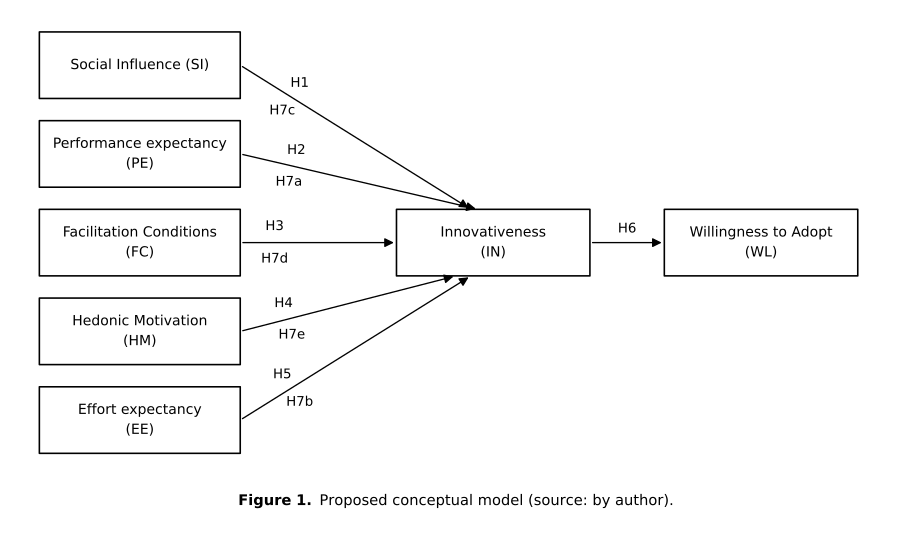
งานวิจัยนี้มีวัตถุประสงค์เพื่อศึกษาปัจจัยเชิงสาเหตุที่มีอิทธิพลต่อความเต็มใจในการยอมรับและนำเทคโนโลยีและนวัตกรรมทางการเกษตรมาใช้ในกลุ่มเกษตรกรรุ่นใหม่ โดยใช้กรอบแนวคิด Unified Theory of Acceptance and Use of Technology: UTAUT ที่ขยายด้วยตัวแปรความสามารถในการสร้างสรรค์นวัตกรรม (Innovativeness) และความเต็มใจนำไปใช้ (Willingness to Adopt) กลุ่มตัวอย่าง ได้แก่ เกษตรกรรุ่นใหม่จำนวน 370 คน ซึ่งได้มาจากการสุ่มแบบไม่ใช่ความน่าจะเป็นโดยอาศัยการตอบแบบสมัครใจ ผ่านช่องทางออนไลน์และออฟไลน์จากเครือข่าย Young Smart Farmer (YSF) ในภาคตะวันออกเฉียงเหนือของประเทศไทย โดยใช้แบบสอบถามที่ผ่านการตรวจสอบความเที่ยงตรงและความเชื่อมั่นแล้ว วิเคราะห์ข้อมูลด้วยสถิติเชิงพรรณนา (ความถี่และร้อยละ) การวิเคราะห์องค์ประกอบเชิงยืนยัน (CFA) และการวิเคราะห์สมการโครงสร้าง (SEM) ผลการวิจัยพบว่า ตัวแปรสำคัญทั้ง 5 ได้แก่ ความคาดหวังต่อผลสัมฤทธิ์ (Performance Expectancy: PE) ความง่ายดายในการใช้งาน (Effort Expectancy: EE) อิทธิพลทางสังคม (Social Influence: SI) เงื่อนไขสนับสนุน (Facilitating Conditions: FC) และแรงจูงใจเชิงสุขนิยม (Hedonic Motivation: HM) ทั้งหมดนี้มีอิทธิพลโดยตรงและมีนัยสำคัญทางสถิติต่อความสามารถในการสร้างสรรค์นวัตกรรม ซึ่งเป็นตัวแปรตัวกลางสำคัญที่ผลักดันให้เกิดความเต็มใจนำไปใช้เทคโนโลยีของเกษตรกรรุ่นใหม่ โดยเฉพาะแรงจูงใจเชิงสุขนิยม เป็นปัจจัยที่ส่งผลส่งเสริมแนวคิดริเริ่มและการเปิดรับนวัตกรรมมากที่สุด รองลงมาคือ ความง่ายดายในการใช้งาน อิทธิพลทางสังคม และเงื่อนไขสนับสนุน ตามลำดับ นอกจากนี้ ความสามารถในการสร้างสรรค์นวัตกรรม มีอิทธิพลสูงและโดยตรงต่อความเต็มใจนำเทคโนโลยีไปใช้ ผลการวิจัยที่ได้เป็นข้อเสนอแนะให้กับผู้กำหนดนโยบายในการส่งเสริมปัจจัยเชิงสาเหตุและความสามารถในการสร้างสรรค์นวัตกรรมให้เกิดขึ้นกับเกษตรกรรุ่นใหม่เพื่อนำไปสู่ความเต็มใจในการยอมรับและนำเทคโนโลยีทางการเกษตรมาใช้อย่างต่อเนื่องและยั่งยืนในระยะยาว
งานวิจัยนี้มีวัตถุประสงค์เพื่อศึกษาปัจจัยเชิงสาเหตุที่มีอิทธิพลต่อความเต็มใจในการยอมรับและนำเทคโนโลยีและนวัตกรรมทางการเกษตรมาใช้ในกลุ่มเกษตรกรรุ่นใหม่ โดยใช้กรอบแนวคิด Unified Theory of Acceptance and Use of Technology: UTAUT ที่ขยายด้วยตัวแปรความสามารถในการสร้างสรรค์นวัตกรรม (Innovativeness) และความเต็มใจนำไปใช้ (Willingness to Adopt) กลุ่มตัวอย่าง ได้แก่ เกษตรกรรุ่นใหม่จำนวน 370 คน ซึ่งได้มาจากการสุ่มแบบไม่ใช่ความน่าจะเป็นโดยอาศัยการตอบแบบสมัครใจ ผ่านช่องทางออนไลน์และออฟไลน์จากเครือข่าย Young Smart Farmer (YSF) ในภาคตะวันออกเฉียงเหนือของประเทศไทย โดยใช้แบบสอบถามที่ผ่านการตรวจสอบความเที่ยงตรงและความเชื่อมั่นแล้ว วิเคราะห์ข้อมูลด้วยสถิติเชิงพรรณนา (ความถี่และร้อยละ) การวิเคราะห์องค์ประกอบเชิงยืนยัน (CFA) และการวิเคราะห์สมการโครงสร้าง (SEM) ผลการวิจัยพบว่า ตัวแปรสำคัญทั้ง 5 ได้แก่ ความคาดหวังต่อผลสัมฤทธิ์ (Performance Expectancy: PE) ความง่ายดายในการใช้งาน (Effort Expectancy: EE) อิทธิพลทางสังคม (Social Influence: SI) เงื่อนไขสนับสนุน (Facilitating Conditions: FC) และแรงจูงใจเชิงสุขนิยม (Hedonic Motivation: HM) ทั้งหมดนี้มีอิทธิพลโดยตรงและมีนัยสำคัญทางสถิติต่อความสามารถในการสร้างสรรค์นวัตกรรม ซึ่งเป็นตัวแปรตัวกลางสำคัญที่ผลักดันให้เกิดความเต็มใจนำไปใช้เทคโนโลยีของเกษตรกรรุ่นใหม่ โดยเฉพาะแรงจูงใจเชิงสุขนิยม เป็นปัจจัยที่ส่งผลส่งเสริมแนวคิดริเริ่มและการเปิดรับนวัตกรรมมากที่สุด รองลงมาคือ ความง่ายดายในการใช้งาน อิทธิพลทางสังคม และเงื่อนไขสนับสนุน ตามลำดับ นอกจากนี้ ความสามารถในการสร้างสรรค์นวัตกรรม มีอิทธิพลสูงและโดยตรงต่อความเต็มใจนำเทคโนโลยีไปใช้ ผลการวิจัยที่ได้เป็นข้อเสนอแนะให้กับผู้กำหนดนโยบายในการส่งเสริมปัจจัยเชิงสาเหตุและความสามารถในการสร้างสรรค์นวัตกรรมให้เกิดขึ้นกับเกษตรกรรุ่นใหม่เพื่อนำไปสู่ความเต็มใจในการยอมรับและนำเทคโนโลยีทางการเกษตรมาใช้อย่างต่อเนื่องและยั่งยืนในระยะยาว
Downloads
เอกสารอ้างอิง
Adnan, N., Rehman, H. M., & Alam, M. N. (2025). Exploring agricultural innovation: an empirical investigation of factors influencing the adoption and non-adoption of smart fertilizer technology among farmers in developing countries. Agriculture & Food Security .
Adokou, F., Agbemava, E., Adjimah, H. P., & Novixoxo, J. D. (2024). Influence of psychological behavior on agricultural technology adoption among Ghanaian smallholder farmers. International Journal of Applied Research in Business and Management .
Amid, A. (2021). Extending UTAUT2 with personal innovativeness. Journal of Physics: Conference Series.
Brown, S. A., & Venkatesh, V. (2005). Model of adoption of technology in the household: A baseline model test and extension incorporating household life cycle. MIS Quarterly, 29(3), 399–426.
Chaodeethirathkul, P., & Pankham, S. (2023). Developing a model of actual adoption technology and innovation for health in Thailand. Academic Journal of Interdisciplinary Studies, 12(1), 188–201.
Department of Agricultural Extension. (2019). Young Smart Farmer Development Manual. Ministry of Agriculture and Cooperatives, Thailand. [in Thai]
FAO. (2023). Digital agriculture and technology adoption challenges. Food and Agriculture Organization of the United Nations.
Faqih, K. M., & Jaradat, M. (2021). Integrating TTF and UTAUT2 theories to investigate the adoption of augmented reality technology in education: Perspective from a developing country. Technology in Society, 64, 101479.
Fitrah, M. (2022). Hedonic motivation as a driver of farmers’ willingness to adopt precision agriculture technologies. Journal of Agricultural Innovation, 4(1), 45–56.
Fornell, C., & Larcker, D. F. (1981). Evaluating structural equation models with unobservable variables and measurement error. Journal of Marketing Research, 18(1), 39–50.
Hair, J. F., Black, W. C., Babin, B. J., & Anderson, R. E. (2019). Multivariate data analysis . Cengage Learning.
Hair, J. F., Hult, G. T. M., Ringle, C. M., & Sarstedt, M. (2017). A primer on partial least squares structural equation modeling (PLS-SEM) (2nd ed.). Sage Publications.
Hair, J. F., Hult, G. T. M., Ringle, C. M., & Sarstedt, M. (2014). A primer on partial least squares structural equation modeling (PLS-SEM). Sage Publications.
Henseler, J., Ringle, C. M., & Sinkovics, R. R. (2009). The use of partial least squares path modeling in international marketing. Advances in International Marketing, 20, 277–319.
Jariyapaktikorn, S. (2024). Obstacles and facilitators of agricultural technology adoption in southern Thailand (Master’s thesis). Mahidol University. [in Thai]
Larasati, N., Putri, A. A., Soemodinoto, A. S., Alyssa, N., & Shoofiyani, O. S. (2024). Unified theory of acceptance and use of technology model to understand farmer's readiness: Implementation of precision agriculture based on digital IoT monitoring apps in West Java, Indonesia. Asian Journal of Agriculture and Rural Development, 176-183.
Limpamont, A., Kittipanya-ngam, P., Chindasombatcharoen, N., & Cavite, H. M. (2024). Towards agri‑food industry sustainability: Addressing agricultural technology adoption challenges through innovation. Business Strategy and the Environment, 33(x), 7352–7367.
Manalili, N. M., & Capiña, X. G. (2023). Thailand’s Young Smart Farmer: A case study in Thailand.[Report].
Markow, J., Fieldsend, A. F., von Münchhausen, S., & Häring, A. M. (2023). Building agricultural innovation capacity from the bottom up: Using spillover effects from projects to strengthen agricultural innovation systems. Agricultural Systems, 207, 103606.
Mishra, N., Bhandari, N., Maraseni, T., Devkota, N., Khanal, G., Bhusal, B., Basyal, D. K., Paudel, U. R., & Danuwar, R. K. (2024). Technology in farming: Unleashing farmers’ behavioral intention for the adoption of agriculture 5.0. PLOS ONE.
Mkunda, J.J., (2025). Cold Chain Technology Adoption in Agriculture: Insights from the UTAUT Model on Vegetable Producers' Willingness. Journal of Technology Management and Innovation, 79-91.
Mohammed, A., Kindu, D., Bedada, Y., Tafesse, E., & Tesfaye, W. (2024). Understanding the behavioral factors influencing farmers’ future technology adoption. PLOS ONE, 19(x).
NRCT. (2021). Summary report on YSF development across regions. National Research Council of Thailand. https://doi.nrct.go.th/admin/doc/doc_667810.pdf [in Thai]
Office of Agricultural Economics. (2022). Thailand agricultural situation report 2022. Ministry of Agriculture and Cooperatives.
Organisation for Economic Co-operation and Development. (2022). Agricultural policy monitoring and evaluation 2022. OECD Publishing.
Phuensane, P., Jaroenwanit, P., & Hongthong, P. (2022). Influence of demographic characteristics and extrinsic motivations on farmers’ smart farming adoption in Northeastern Thailand. GMSARN International Journal, 16(4), 359–365.
Piancharoenwong, A., & Badir, Y. F. (2024). IoT smart farming adoption intention under climate change: The gain and loss perspective. Technological Forecasting and Social Change, 205, 121984.
Ravindran,Y., Haris, N. B. M., Shah, J. A., & Ilahi, W. F. F. (2024). UTAUT Model Insights on the Adoption of Smart Farming Technologies (SFTs) in Malaysia. International Journal of Research and Innovation in Social Science, 4011-4020.
Rogers, E. M. (2003). Diffusion of innovations (5th ed.). Free Press.
Sabbagh, M., & Gutierrez, L. (2022). Micro-irrigation technology adoption in the Bekaa Valley of Lebanon: A behavioural model. Sustainability, 14(13), Article 7685.
Semiz, B. B., & Semiz, T. (2021). Examining consumer use of mobile health applications by the extended UTAUT model. Business & Management Studies: An International Journal, 9(1), 267–281.
Shi, X., Li, M., & Yang, H. (2022). Hedonic motivation and innovativeness in smart agriculture adoption: Evidence from rural China. Technology in Society, 68, Article 101845.
Sonthitham, A., & Thongchaisuratkrul, C. (2023). Development of an instructional activity package based on STEM education. The Journal of KMUTNB. [in Thai]
Sowcharoensuk, C. (2025, September 19). Agricultural Transformation. Retrieved from Krungsri Research : https://www.krungsri.com/en/research/research-intelligence/agriculture-transformation-2025
Tikum, K., & Ahmad, M. M. (2024). Challenges of making a new farmer: A case study of Thailand's Young Smart Farmer program. Development Studies Research, 11(1), 1–15.
Toader, D. C., Rădulescu, C. M., & Toader, C. (2024). Investigating the adoption of blockchain technology in agri-food supply chains: Analysis of an extended UTAUT model. Agriculture, 14(2).
Triandis, H. C. (1979). Values, attitudes, and interpersonal behavior. In M. M. Page (Ed.), Nebraska Symposium on Motivation 1979 (pp. 195–259). University of Nebraska Press.
Venkatesh, V., Morris, M. G., Davis, G. B., & Davis, F. D. (2003). User acceptance of information technology: Toward a unified view. MIS Quarterly, 27(3), 425–478.
Venkatesh, V., Thong, J. Y. L., & Xu, X. (2012). Consumer acceptance and use of information technology: Extending the unified theory of acceptance and use of technology. MIS Quarterly, 36(1), 157–78.
Wajasuwan, T., & Wongsansukcharoen, J. (2022). Acceptance of technology and innovation affecting the intention. Panyapiwat Journal, 14(1), 143–157. [in Thai]
Wichean, A., & Sungsanit, M. (2022). Factors influencing the intentions to adopt technology of the broiler farmer in livestock region 3, Thailand. Trends in Sciences, 19(12), Article 4523.
Yan, S., Siddik, A. B., Masukujjaman, M., Zheng, G., Hamayun, M., & Ibrahim, A. M. (2022). The antecedents of willingness to adopt and pay for the IoT in the agricultural industry: An application of the UTAUT 2 theory. Sustainability, 14(11), Article 6640.
Yawised, K., Apasrawirote, D., Chatrangsan, M., & Muneesawang, P. (2022). Factors affecting SMEs' intention to adopt a mobile travel application based on the Unified Theory of Acceptance and Use of Technology (UTAUT-2). Emerging Science Journal, 6(2), 211–233.
Zhang, X., Yang, Q., Mamun, A. A., Masukujjaman, M., & Masud, M. M. (2024). Acceptance of new agricultural technology among small rural farmers. Palgrave Communications, 11(1), Article 23.
ดาวน์โหลด
เผยแพร่แล้ว
รูปแบบการอ้างอิง
ฉบับ
ประเภทบทความ
สัญญาอนุญาต
ลิขสิทธิ์ (c) 2025 วารสารการบัญชีและการจัดการ

อนุญาตภายใต้เงื่อนไข Creative Commons Attribution-NonCommercial-NoDerivatives 4.0 International License.
บทความที่ได้รับการตีพิมพ์เป็นลิขสิทธิ์ของวารสารการบัญชีและการจัดการ
ข้อความที่ปรากฏในบทความแต่ละเรื่องในวารสารวิชาการเล่มนี้เป็นความคิดเห็นส่วนตัวของผู้เขียนแต่ละท่านไม่เกี่ยวข้องกับมหาวิทยาลัยมหาสารคาม และคณาจารย์ท่านอื่นๆในมหาวิทยาลัยฯ แต่อย่างใด ความรับผิดชอบองค์ประกอบทั้งหมดของบทความแต่ละเรื่องเป็นของผู้เขียนแต่ละท่าน หากมีความผิดพลาดใดๆ ผู้เขียนแต่ละท่านจะรับผิดชอบบทความของตนเองแต่ผู้เดียว