การพัฒนากระบวนการสอนนาฏศิลป์ไทยเพื่อเสริมสร้างความสามารถในการสร้างสรรค์ทางนาฏศิลป์ไทยประเภทรำเดี่ยวมาตรฐานของนักศึกษาครูสาขาวิชานาฏศิลป์ศึกษา
Article Sidebar
Main Article Content
บทคัดย่อ
การวิจัยนี้มีวัตถุประสงค์เพื่อ 1) ศึกษากระบวนการสร้างสรรค์ทางนาฏศิลป์ไทยประเภทรำเดี่ยวมาตรฐาน 2) พัฒนากระบวนการสอนนาฏศิลป์ไทยด้านเสริมสร้างความสามารถในการสร้างสรรค์ทางนาฏศิลป์ไทยประเภทรำเดี่ยวมาตรฐาน และ 3) ประเมินประสิทธิผลกระบวนการสอนนาฏศิลป์ไทยด้านการสร้างสรรค์นาฏศิลป์ไทยประเภทรำเดี่ยวมาตรฐานของนักศึกษาครูสาขาวิชานาฏศิลป์ศึกษา เป็นการวิจัยเชิงทดลอง ผู้ให้ข้อมูล ได้แก่ ผู้ทรงคุณวุฒิด้านนาฏศิลป์ไทย จำนวน 3 ท่าน และนักศึกษา จำนวน 30 คน ด้วยวิธีการสุ่มแบบเฉพาะเจาะจง เครื่องมือที่ใช้ในการวิจัย 1) แบบสัมภาษณ์ 2) แบบวัดความสามารถ และ 3) แผนการจัดการเรียนรู้ โดยใช้สถิติเชิงพรรณนา วิเคราะห์ข้อมูลโดยหาค่าเฉลี่ย ส่วนเบี่ยงเบนมาตรฐาน และ t-test for dependent samples
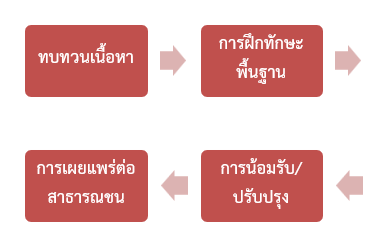
ผลการวิจัยพบว่า 1) กระบวนการสร้างสรรค์ทางนาฏศิลป์ไทยประเภทรำเดี่ยวมาตรฐานมี 6 ขั้นตอน ดังนี้ (1) ทักษะพื้นฐานทางด้านนาฏนาฏศิลป์ไทยเป็นเลิศ (2) ความคิดสร้างสรรค์เป็นเลิศ (3) ศึกษาจารีตให้ถ่องแท้ (4) ศึกษาเรื่องราวเพื่อสร้างจินตภาพในการรำ (5) ฝึกฝนฝีมือ (6) ควบคุม/ปรับปรุง 2) กระบวนการสอนนาฏศิลป์ไทยด้านเสริมสร้างความสามารถในการสร้างสรรค์ทางนาฏศิลป์ไทยประเภทรำเดี่ยวมาตรฐาน มี 8 ขั้นตอน คือ (1) ทบทวนเนื้อหา (2) การฝึกพื้นฐาน (3) เรียนรู้จารีต (4) การฝึกวิเคราะห์ (5) ความคิดสร้างสรรค์ (6) การนำเสนอผลงาน (7) การน้อมรับและการปรับปรุง และ (8) การเผยแพร่ต่อสาธารณชน โดยผลการทดสอบหาค่าความสอดคล้องของแผนการจัดการเรียนรู้มีค่าดัชนีอยู่ที่ระดับ 1.00 และมีความเหมาะสมโดยภาพรวมมีค่าเฉลี่ยเท่ากับ 4.14 ค่าส่วนเบี่ยงเบนมาตรฐานเท่ากับ 0.57 และผลการทดสอบหาค่าความสอดคล้องของแบบวัดความสามารถในการสร้างสรรค์ทางนาฏศิลป์ไทยประเภทรำเดี่ยวมาตรฐาน มีค่าดัชนีอยู่ที่ระดับ 1.00 และ 3) ประสิทธิผลกระบวนการสอนนาฏศิลป์ไทยด้านการสร้างสรรค์นาฏศิลป์ไทยประเภทรำเดี่ยวมาตรฐาน พบว่า หลังเรียนมีคะแนนสูงกว่าก่อนเรียน อย่างมีนัยสำคัญทางสถิติที่ระดับ 0.05
Article Details

อนุญาตภายใต้เงื่อนไข Creative Commons Attribution-NonCommercial-NoDerivatives 4.0 International License.
เนื้อหาและข้อมูลที่ได้รับการเผยแพร่ในวารสารวิพิธพัฒนศิลป์ ถือเป็นข้อคิดเห็นและความรับผิดชอบของผู้แต่งเท่านั้น โดยกองบรรณาธิการวารสารไม่มีส่วนรับผิดชอบต่อเนื้อหาหรือข้อคิดเห็นใด ๆ ที่ปรากฏในบทความ
เอกสารอ้างอิง
ธนะพัฒน์ พัฒน์กุลพิศาล. (2562). การสร้างสรรค์นาฏยศิลป์ไทยร่วมสมัยในแนวคิดเบื้องหน้าเบื้องหลัง. วารสารสถาบันวัฒนธรรมและศิลปะ, 21(1), 158 - 165.
นวลรวี จันทร์ลุน (2560). แนวทางสรรค์นาฏศิลป์พื้นบ้านโคราช. วารสารราชพฤกษ์, 15(3), 115 - 123. https://so05.tci-thaijo.org/index.php/Ratchaphruekjournal/article/view/125696
นิศารัตน์ สิงห์บุราณ, กาญจนารัศมิ์ แจ่มฟ้า, และ ศริยา หงส์ยี่สิบเอ็ด. (2560). การสร้างสรรค์งานนาฏศิลป์ตามยุคสมัย. ศาสตร์พระราชาเพื่อการพัฒนาที่ยั่งยืน: รวมบทความวิจัย บทความวิชาการ มหาวิทยาลัยราชภัฏเชียงใหม่ ประจำปี 2560, (น. 299 – 310). สำนักหอสมุด มหาวิทยาลัยราชภัฏเชียงใหม่.
พัชรินทร์ สันติอัชวรรณ. (2561). หลักนาฏยประดิษฐ์ไทยจากศิลปินต้นแบบตัวนางสู่นวัตกรรมการสร้างสรรค์รําเดี่ยวมาตรฐาน. วารสารศิลปกรรมศาสตร์ จุฬาลงกรณ์มหาวิทยาลัย, 5(2). https://so02.tci-thaijo.org/index.php/faa/article/view/140046
ล้วน สายยศ และ อังคณา สายยศ. (2536). เทคนิคการวิจัยทางการศึกษา (พิมพ์ครั้งที่ 3). ศูนย์ส่งเสริมวิชาการ.
วันจักรี โชติรัตน์, มนตรี เด่นดวง, และ ปรีดา เบ็ญคาร. (2562). การพัฒนาผลสัมฤทธิ์ทางการเรียนวิชานาฏศิลป์ เรื่อง การออกแบบท่ารำ – เต้น ด้วยการจัดกิจกรรมการเรียนรูปแบบซิปปา ร่วมกับสื่อวีดิทัศน์สำหรับนักเรียนชั้นประถมศึกษาปีที่ 6. การประชุมหาดใหญ่วิชาการระดับชาติและนานาชาติครั้งที่ 10 (น. 1119 - 1133). มหาวิทยาลัยหาดใหญ่. https://www.hu.ac.th/conference/conference2019/index.html
วิวัฒน์ เพชรศรี. (2561). การพัฒนารูปแบบการจัดการเรียนรู้แบบ 4 S สาระที่ 3 นาฏศิลป์ ชั้นประถมศึกษาปีที่ 5. วารสารวิจัยและประเมินผลอุบลราชธานี, 7(1), 21 - 30. https://so06.tci-thaijo.org/index.php/ubonreseva/article/view/138414
วีรภัทร จินตะไล. (2560). การสร้างกิจกรรมนาฏศิลป์พัฒนาความคิดสร้างสรรค์ของนักเรียนชั้นประถมศึกษา 1 โรงเรียนวัดตาลเอน (โศภนชนูปถัมภ์). [ปริญญานิพนธ์มหาบัณฑิต, มหาวิทยาลัยศรีนครินทรวิโรฒ]. http://thesis.swu.ac.th/swuthesis/Art_Ed/Weerapat_J.pdf
วัชรา เล่าเรียนดี. (2553). รูปแบบและกลยุทธ์การจัดการเรียนรู้เพื่อพัฒนาทักษะการคิด (พิมพ์ครั้งที่ 5). มหาวิทยาลัยศิลปากร.
สุนิสา อินทนนท์. (2562). การพัฒนาการสร้างสรรค์ผลงานการแสดงนาฏศิลป์โดยใช้สื่อสไลด์และปริศนาคำทายเรื่องนาฏยศัพท์และภาษาท่านาฏศิลป์ ผ่านการจัดกิจกรรมการเรียนการสอนแบบ Constructionism ชั้นมัธยมศึกษาปีที่ 2/2 โรงเรียนพิบูลอุปถัมภ์ สำนักงานเขตพื้นที่การศึกษาประถมศึกษากรุงเทพมหานคร, รายงานการวิจัยในชั้นเรียน โรงเรียนพิบูลอุปถัมภ์ สำนักงานเขตพื้นที่การศึกษาประถมศึกษากรุงเทพมหานคร สำนักงานคณะกรรมการการศึกษาขั้นพื้นฐาน กระทรวงศึกษาธิการ.
สันติ สุขสัตย์ (2558). การพัฒนาบทเรียนมัลติมีเดียผ่านเครือข่ายอินเทอร์เน็ต วิชานาฏศิลป์โขนนักเรียนชั้นประถมศึกษาปี ที่ 5. วารสารสถาบันวัฒนธรรมและศิลปะ มหาวิทยาลัยศรีนครินทรวิโรฒ, 17(1), 28 - 35. https://so02.tci-thaijo.org/index.php/jica/article/view/80436
อัมพร ใจเด็จ. (2566). การพัฒนากระบวนการสอนนาฏศิลป์ไทยเพื่อเสริมสร้างความสามารถในการ สร้างสรรค์ทางนาฏศิลป์ไทยประเภทรำเดี่ยวมาตรฐานของนักศึกษาครู สาขานาฏศิลป์ศึกษา [เอกสารไม่ตีพิมพ์]. รายงานนี้ได้รับอุดหนุนการวิจัยจากมหาวิทยาลัยราชภัฏพระนคร (วิจัยตามศาสตร์) ประจำปีงบประมาณ 2564 มหาวิทยาลัยราชภัฏพระนคร.
อุษา สบฤกษ์. (2536). การศึกษาพฤติกรรมการสอนนาฏศิลป์ไทยในวิทยาลัยนาฏศิลป์. [วิทยานิพนธ์ปริญญามหาบัณฑิต, จุฬาลงกรณ์มหาวิทยาลัย]. Chulalongkorn University Intellectual Repository (CUIR). https://cuir.car.chula.ac.th/handle/123456789/75173
