A Comparative Study of the Transformation of Old Industrial Sites in China into Cultural and Creative Parks
DOI:
https://doi.org/10.69598/sbjfa274825Keywords:
Old Industrial Sites , Cultural and Creative Industry Park , Transformation Design , Functional DistributionAbstract
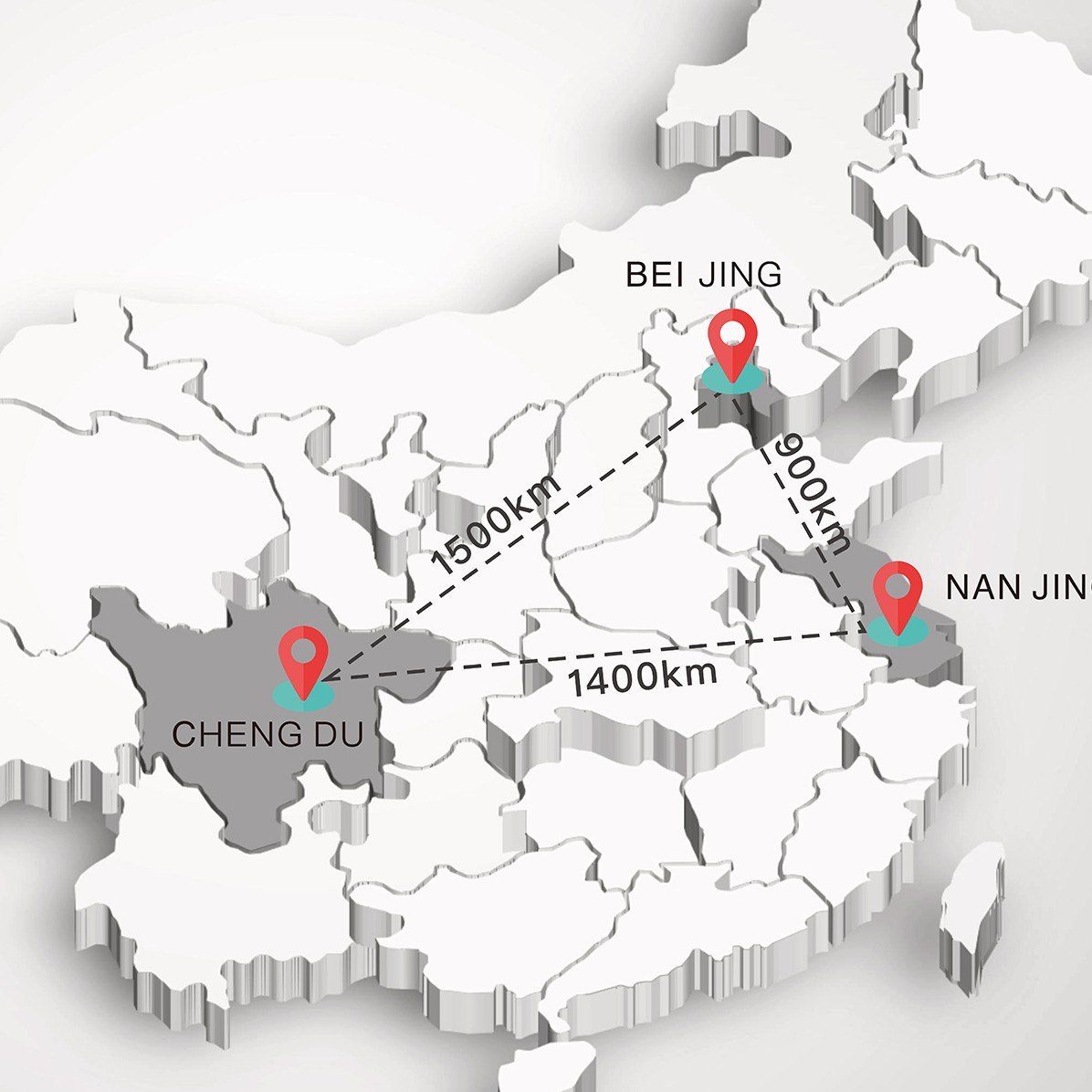
In the context of rapid urban development, the reuse of old industrial sites has become a significant topic in urban renewal. This study examines three representative cases: Beijing's 798 Art District, Nanjing's Chenguang 1865 Cultural and Creative Industry Park, and Chengdu's Eastern Suburb Memory Fashion Creative Industry Park. It explores their similarities and differences in terms of geographical location, transportation conditions, and functional layout, as well as their respective successes and challenges. The research employs a combination of literature review, case analysis, and field investigation to conduct an in-depth analysis of these parks. The findings indicate that all three parks have successfully integrated historical culture with creative industries, benefiting from advantageous geographical locations and transportation access. However, they also face significant challenges, including commercialization pressures, rising rents, and insufficient integration of cultural resources during their development. To address these challenges, this study proposes strategies to balance commercialization with cultural value, deepen the cultural exploration of industrial heritage, and enhance the sustainable development capabilities of these parks. By optimizing internal infrastructure and promoting community engagement through diverse cultural activities, these parks can improve the visitor experience and solidify their role as cultural and creative hubs. Drawing on the successful experiences and potential issues identified in the case studies, this research aims to provide theoretical support and practical guidance for future urban renewal projects, contributing to the sustainable transformation of old industrial sites into vibrant cultural spaces.
Downloads
References
江文浩 & 丁炜. (2022). 基于边缘效应的城市工业遗产再利用研究——以南京晨光1865创意产业园为例. 建筑与文化 (07), 136-138. https://doi.org/10.19875/j.cnki.jzywh.2022.07.049
李琳 & 林子苏. (2022). 从“718联合厂”到“798艺术区”:时代契机与文化重构的双重历史表征.美术研究 (05),120-124. https://doi.org/10.13318/j.cnki.msyj.2022.05.016
刘贵文, 赵祯 & 谢宗杰. (2018). 城市更新视角下的工业遗产价值实现路径研究. 建筑经济, 39(12), 93-97. https://doi.org/10.14181/j.cnki.1002-851x.201812093
刘洋洋, 吴宇航 & 胡昂. (2023). 空间形态视角下城市工业遗产空间活力研究——以成都东郊记忆为例. 建筑与文化 (06), 206-208. https://doi.org/10.19875/j.cnki.jzywh.2023.06.063
王彦辉. (2009). 城市产业类历史建筑的新生——以南京晨光机械厂旧址保护性改造再利用为例. 中国科学 (E辑:技术科学), 39(05), 855-862.
徐苏宁, 王国庆, 李世芬, 李涛, 吕正华, & 刘岩. (2017). 工业遗产保护与城市更新. 城市规划, (02), 81-84, 101.
叶宝源. (2021). 国内外工业园区升级改造经验借鉴及策略建议. 住宅与房地产, (18), 40-41.
赵芯玉. (2020). 工业遗址的文化内涵及改造利用——以成都东郊记忆为例. 区域治理, (02), 242-244.
Jiang, W. & Ding, W. (2022). Research on the Reuse of Urban Industrial Heritage Based on Edge Effects: A Case Study of Nanjing Morningside 1865 Creative Industry Park. Architecture and Culture, (07), 136-138. https://doi.org/10.19875/j.cnki.jzywh.2022.07.049 [in Chinese]
Li, L. & Lin, Z. (2022). From "718 Joint Factory" to "798 Art District": Dual Historical Representations of Era Opportunities and Cultural Reconstruction. Fine Art Research, (05), 120-124. https://doi.org/10.13318/j.cnki.msyj.2022.05.016 [in Chinese]
Liu, G., Zhao, Z. & Xie, Z. (2018). Research on the Path to Realizing the Value of Industrial Heritage from the Perspective of Urban Renewal. Construction Economy, 39(12), 93-97. https://doi.org/10.14181/j.cnki.1002-851x.201812093 [in Chinese]
Liu, Y., Wu, Y., & Hu, A. (2023). A study on the spatial vitality of urban industrial heritage from the perspective of spatial morphology: A case study of Chengdu Eastern Suburb Memory. Architecture and Culture, (06), 206-208. https://doi.org/10.19875/j.cnki.jzywh.2023.06.063 [in Chinese]
Luo, L., & Cao, Y. (2023). The museum method of reusing Shanghai waterfront industrial heritage: Continuation and reconstruction of urban memory. Built Heritage, 7(23). https://doi.org/10.1186/s43238-023-00102-3
Meng, F., Zhang, X., & Pang, Y. (2024). Evaluation of satisfaction with spatial reuse of industrial heritage in high-density urban areas: A case study of the core area of Beijing’s Central City. Buildings, 14(5), 1473. https://doi.org/10.3390/buildings14051473
Shi, J. (2022) Study on the Change and Development Strategy of the Industrial Zone in the Eastern Suburbs of Chengdu from the Perspective of Urban Renewal. Open Access Library Journal, (9), e8548. https://doi.org/10.4236/oalib.1108548
Wang, Y. (2009). The rebirth of urban industrial historical buildings: A case study of the protective renovation and reuse of the former site of Nanjing Morning Light Machinery Factory. China Science (Series E: Technological Sciences), 39(05), 855-862. [in Chinese]
Xu, S., Wang, G., Li, S., Li, T., Lü, Z., & Liu, Y. (2017). Industrial Heritage Conservation and Urban Renewal. Urban Planning, (02), 81-84, 101. [in Chinese]
Ye, B. (2021). Domestic and international experiences in upgrading and transforming industrial parks and strategic recommendations. Housing and Real Estate, (18), 40-41. [in Chinese]
Zhao, X. (2020). The Cultural Connotation and Transformation Utilization of Industrial Sites: A Case Study of Chengdu Eastern Suburb Memory. Regional Governance, (02), 242-244. [in Chinese]
Downloads
Published
How to Cite
Issue
Section
License
Copyright (c) 2025 Fei Chen, Pongdej Chaiyakut, Poradee Panthupakorn

This work is licensed under a Creative Commons Attribution 4.0 International License.
The journal's editorial team does not have to agree with the views and comments in the author's article, nor are they responsible for the comments.