
Holistic Quality of Life Improvement of the Elderly According to the Buddhism Way
Article Sidebar
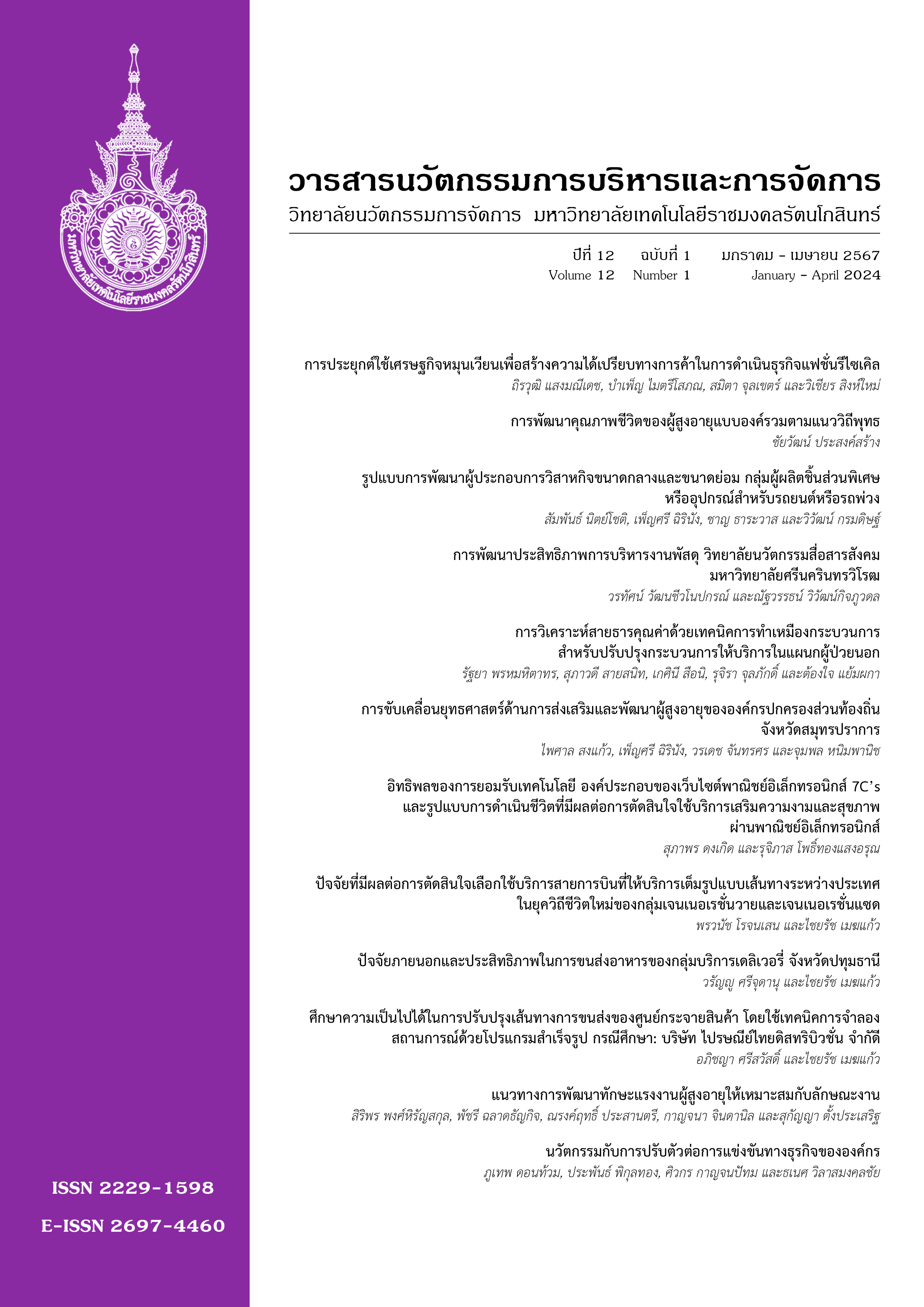
Main Article Content
Abstract
Research study “Developing the quality of life of the elderly holistically according to the Buddhist way” with the objective of studying the quality of life of the elderly in a holistic manner according to the Buddhist way of life in urban society of Thailand, and to analyze and synthesize the factors related to the Develop the quality of life of the elderly in a holistic way according to the Buddhist way of life in all dimensions. The researcher has conducted a mixed research methodology with quantitative and qualitative research methods. (Qualitative), which is collected with the elderly who live in the Thonburi side of the city. Bangkok comprised 4 communities, each of 100 people, totaling 400 people, and interviewed 10 community leaders using convenient, specific selection methods.
The research study found that in community A, the quality of life of the elderly was very high. The average was 4.02, Community B, the quality of life of the elderly was at the moderate level. The average was 3.57, community C, the quality of life of the elderly was moderate. The average was 3.43, community D Level of quality of lift at the moderate level. The average was 3.31 and the quality of life of the elderly in a holistic manner according to the Buddhist way of urban society. The average quality of life level of the elderly from 4 communities in Thonburi area had the quality of life of the elderly in medium level The mean is 3.58. Factors related to the holistic life quality development of the elderly according to the Buddhist way of life in all dimensions Following the Buddhist way of life in urban society from the Thonburi side of the community The study found that there are 3 factors: 1) health factors, 2) economic conditions, 3) social and psychological factors. The pattern of development of the quality of life of the elderly in a holistic way according to the Buddhist way of life for the elderly in Thailand according to the Buddhist way of urban society form Thonburi side .According to the study, it was found that the holistic elderly quality of life development model according to the Buddhist way of aging for the elderly in Thailand, according to the Buddhist way of urban society from the Thonburi side of the community, should have 3 patterns as follows: 1) Physical development (physical prayer) 2) development of social relations 3) mental development (mind) 4) intelligence development (wisdom prayer)
Article Details

This work is licensed under a Creative Commons Attribution-NonCommercial-NoDerivatives 4.0 International License.
ข้อความและบทความในวารสารนวัตกรรมการบริหารและการจัดการ เป็นแนวคิดของผู้เขียน ไม่ใช่ความคิดเห็นและความรับผิดชอบของคณะผู้จัดทำ บรรณาธิการ กองบรรณาธิการ วิทยาลัยนวัตกรรมการจัดการ และมหาวิทยาลัยเทคโนโลยีราชมงคลรัตนโกสินทร์
ข้อความ ข้อมูล เนื้อหา รูปภาพ ฯลฯ ที่ได้รับการีพิมพ์ในวารสารนวัตกรรมการบริหารและการจัดการ ถือเป็นลิขสิทธิ์ของวารสารนวัตกรรมการบริหารและการจัดการ หากบุคคลใดหรือหน่วยงานใดต้องการนำทั้งหมดหรือส่วนหนึ่งส่วนใดไปเผยแพร่ต่อหรือกระทำการใดๆ จะต้องได้รับอนุญาติเป็นลายลักษณ์อักษรจากวารสารนวัตกรรมการบริหารและการจัดการก่อนเท่านั้น
References
สุนทรีพัวเวส. (2551). ความรู้เกี่ยวกับเรื่องผู้สูงอายุ (พิมพ์ครั้งที่ 2). กรุงเทพฯ: สำนักส่งเสริมและพิทักษ์ผู้สูงอายุ.
ราชบัณฑิตยสถาน. (2546). พจนานุกรมฉบับราชบัณฑิตยสถาน พ.ศ. 2542. กรุงเทพฯ: บริษัทนานมีบุ๊คส์พับบลิเคชั่น จำกัด.
ศศิพัฒน์ ยอดเพชร. (2549). โครงการระบบการดูแลระยะยาวในครอบครัวสำหรับผู้สูงอายุ. กรุงเทพฯ: มิสเตอร์ก็อปปี้.
บรรลุ ศิริพานิช. (2542). ผู้สูงอายุไทย (พิมพ์ครั้งที่ 2). กรุงเทพฯ: สำนักพิมพ์ดี.
ปิยาภรณ์ ศิริภานุมาศ. (2546). ปัญหาและแนวทางพัฒนาชมรมผู้สูงอายุในการส่งเสริมสุขภาพผู้สูงอายุ. วิทยานิพนธ์ศิลปศาสตรดุษฎีบัณฑิต, มหาวิทยาลัยขอนแก่น.
ธรรมรักษา. (2541). พระไตรปิฎกฉบับผู้ใฝ่ธรรม. กรุงเทพฯ: สำนักพิมพ์สติ.
นิศา ชูโต. (2525). คนชราไทย. กรุงเทพฯ: จุฬาลงกรณ์มหาวิทยาลัย.
พิทักษิณา สุภานุสร. (2546). กลไกทางวัฒนธรรมในการช่วยเหลือผู้สูงอายุของชุมชนคนบท. วิทยานิพนธ์ศึกษาศาสตรมหาบัณฑิต, มหาวิทยาลัยเชียงใหม่.
สุรกุล เจนอบรม. (2534). วิทยาการผู้สูงอายุ. กรุงเทพฯ: คณะครุศาสตร์ จุฬาลงกรณ์มหาวิทยาลัย.
พระพรหมคุณาภรณ์ (ป.อ. ปยุตโต). (2550). พจนานุกรมพุทธศาสตร์ฉบับประมวลธรรม. กรุงเทพฯ: มหาวิทยาลัยมหาจุฬาลงกรณราชวิทยาลัย.
พงษ์ วรพงศ์พิเชษฐ. (2550). พุทธธรรมบำบัด. กรุงเทพฯ: กองแพทย์ทางเลือก กรมการพัฒนาแพทย์แผนไทยและการแพทย์ทางเลือกกระทรวงสาธารณสุข.
สมบูรณ์ วัฒนะ. (2559). แนวคิดการดูแลผู้สูงอายุตามแนวพระพุทธศาสนาเถรวาท. วารสารวิชาการมนุษยศาสตร์และสังคมศาสตร์, 24(44), 173-193.
ดลฤดี สุวรรคีรี. (2550). ความสุข 8 ประการในที่ทำงาน. กรุงเทพฯ: สำนักงานกองทุนสนับสนุนการสร้างเสริมสุขภาพ.
ภาสกร สวนเรือง, สุจิตรา จรจิตร และช่อลดา พันธุเสนา. (2552). ภาวะเครียด ปัจจัยที่ก่อให้เกิดความเครียด และการจัดการความเครียดของนักศึกษาปริญญาตรี มหาวิทยาลัยสงขลานครินทร์ วิทยาเขตหาดใหญ่. วารสารสงขลานครินทร์ ฉบับสังคมศาสตร์และมนุษยศาสตร์, 15(2), 315-35.
วิจิตรา พูลเพิ่ม และชลลดา พันธุชิน. (2552). ทักษะชีวิตและการปรับตัวของนักศึกษาวัยรุ่น ชั้นปีที่ 1 คณะพยาบาลศาสตร์ มหาวิทยาลัยขอนแก่น. วารสารพยาบาลศาสตร์และสุขภาพ, 32(1), 38-48.
สุนิสา ตะสัย ประชา ฤาชุตกุล และ วิรัตน์ ธรรมาภรณ์. (2551). ความเครียดและการแก้ปัญหาความเครียดของนักเรียนชั้นมัธยมศึกษาตอนปลายในจังหวัดสงขลา. วารสารศึกษาศาสตร์ มหาวิทยาลัยสงขลานครินทร์ วิทยาเขตปัตตานี, 19(2), 103-114.
อภิชัย มงคล, วัชนี หัตถพนม, ภัสรา เชษฐ์โชติศักดิ์, วรรณประภา ชลอกุล และละเอียด ปัญโญใหญ่. (2544). การศึกษาดัชนีชี้วัดสุขภาพจิตคนไทย (ระดับบุคคล). ขอนแก่น: คลังนานาวิทยา.
Bentham, Jeremy. (1789), An Introduction to the Principles of Morals and Legislation. 1996 edition, edited by J.H. Burns and H.L.A. Hart, Oxford: Clarendon Press.
Diener, E. (2005). Subjective well-being Continuing Psychology Education. Edington,
Frey, Bruno and Alois Stutzer. (2007). Should National Happiness Be Maximized? presented at OECD Conference on Measurability and Policy Relevance of Happiness, April 2-3, Rome
Jimenez C., Navia-Osorio P.M., Diaz C.V. (2010). Stress and health in novice and experienced nursing students. Journal of Advanced Nursing, 66(2), 442-55. doi: 10.1111/j.1365-2648.2009.05183.x.
Lo R. (2002). A longitudinal study of perceived level of stress, coping and self-esteem of undergraduate nursing students: an Australian case study. Journal of Advanced Nursing, 39(2), 119-126. doi: 10.1046/j.1365-2648.2000.02251.x.
Kalmijn, Wim and Ruut Veenhoven. (2005). Measuring Inequality of Happiness in Nations: In Search for Proper Statistics. Journal of Happiness Studies, 6(4), 357-396,
December. N., and Shuman, R. (2005). Subjective well-being (happiness) Continuing Psychology Education. Retrieved April 14, 2007, from http://www.texcpe.com
Layard, Richard. (2005). Happiness: Lessons from a New Science. Great Britain: Penguin.
Lyubomirsky, et al,. (2005). Pursuing happiness: The architecture of sustainable change. Review of General Psychology, 9(2), 111-31.
Rowley, M. (2007). How to be happy 20 tips that really work. Retrieved February 18, 2008, from http://www.personal-growth-strategies
Smith, T. (2007). Finding happiness in a Harvard classroom. Retrieved April 14, 2007, from http://www.npr.org
Veenhoven, R. (2005). Happy life years: A measure of gross national happiness. Retrieved April 14, 2007. from http://www.Grossnationalhappiness.com
Veenhoven, R. (2007). Measures of Gross National Happiness. presented at OECD Conference on Measurability and Policy Relevance of Happiness, April 2-3, Rome.
