
การเสริมสร้างความเป็นพลเมืองดีในโรงเรียน สังกัดสำนักงานคณะกรรมการการศึกษาขั้นพื้นฐาน
Article Sidebar
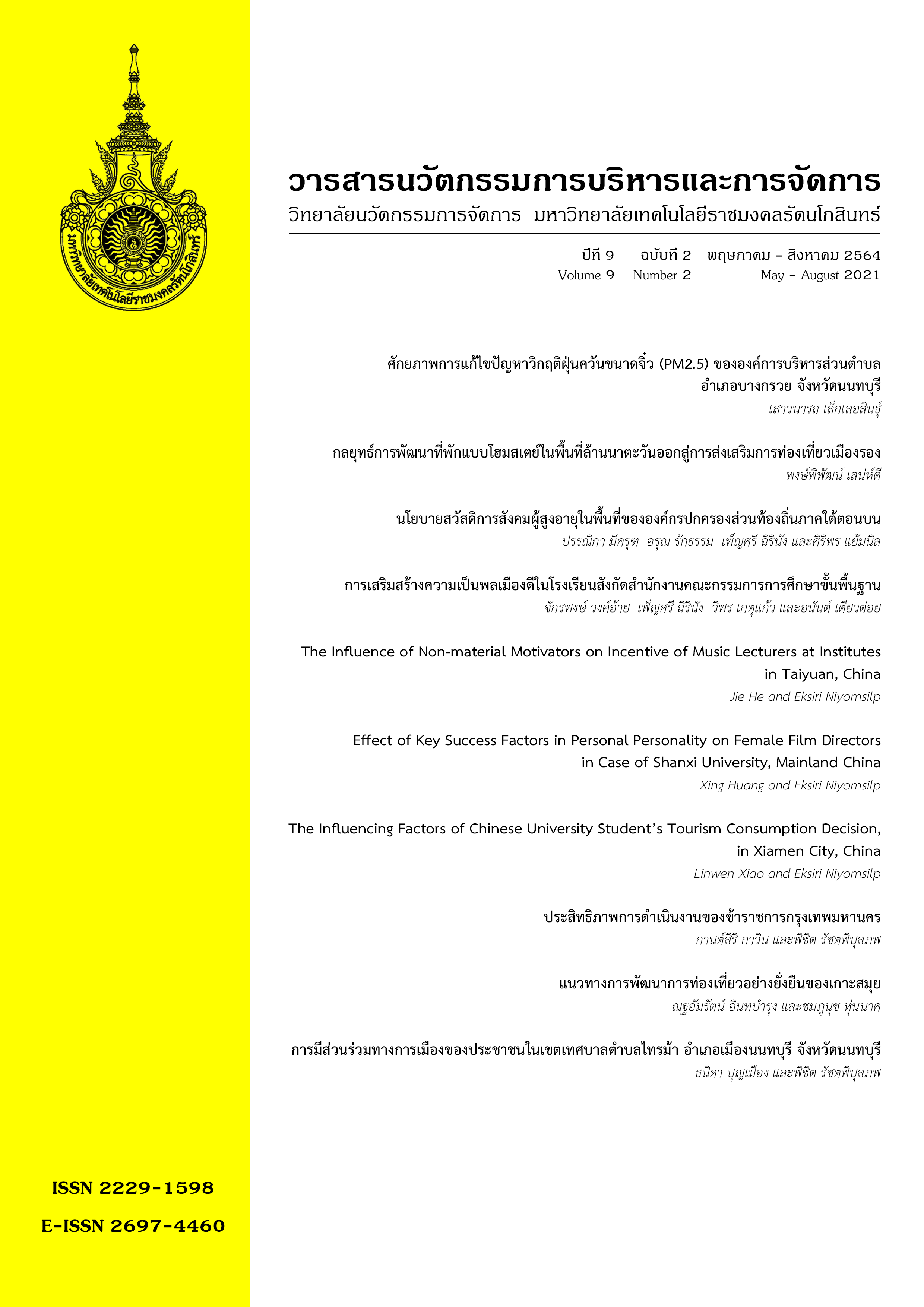
Main Article Content
บทคัดย่อ
การจัดการศึกษาเพื่อเสริมสร้างความเป็นพลเมืองดีในประเทศไทยได้มีการพัฒนามาอย่างต่อเนื่องตามยุคสมัย เริ่มตั้งแต่สมัยรัชกาลที่ 5 โดยเนื้อหาหลักสูตรวิชาหน้าที่พลเมือง ในช่วงปี พ.ศ. 2503-2521 จะปลูกฝังให้ผู้เรียนต้องปฏิบัติสิ่งต่าง ๆ เพราะเป็นหน้าที่ที่พึงกระทำ แต่ปัจจุบันมีการกำหนดหลักสูตรแกนกลางการศึกษาขั้นพื้นฐาน ที่เน้นการฝึกปฏิบัติ การพัฒนาทักษะหรือกระบวนการเรียนรู้ และคุณลักษณะหรือค่านิยมไว้อย่างชัดเจน แต่ไม่ได้เป็นรายวิชาที่แยกออกมาต่างหากเหมือนหลักสูตรในอดีต โดยสอดแทรกเนื้อหาไว้ในกลุ่มสาระการเรียนรู้สังคมศึกษา ศาสนาและวัฒนธรรม มีการกำหนดเนื้อหา และตัวชี้วัดให้สถานศึกษานำไปปฏิบัติให้เป็นรูปธรรมมากยิ่งขึ้น อย่างไรก็ตาม กลับพบว่าหลักสูตรไม่สามารถทำให้ผู้เรียนประยุกต์ความรู้ไปใช้ในชีวิตจริง และไม่สอดรับกับบริบททางการเมืองและสังคมที่เปลี่ยนแปลงไปตามยุคสมัย สะท้อนให้เห็นว่าหลักสูตรดังกล่าว ยังไม่สามารถหล่อหลอมกล่อมเกลาให้ผู้เรียนมีความเป็นพลเมืองได้อย่างที่สังคมปรารถนา ส่วนการเสริมสร้างความเป็นพลเมืองดีในต่างประเทศ มีจุดเด่นร่วมกัน คือ แต่ละประเทศ มีหลักสูตรที่เน้นด้านความเป็นพลเมืองโดยเฉพาะ ที่มุ่งเน้นให้พลเมืองของตนมีความตื่นรู้ รอบรู้ในการปกครองระบอบประชาธิปไตย รู้จักสิทธิ หน้าที่ ความรับผิดชอบ และเคารพกฎหมาย ทั้งนี้ หากนำมาปรับใช้กับประเทศไทย ต้องคำนึงถึงสภาพบริบทของสังคมไทยด้วย ดังนั้น สรุปเป็นแนวคิดในการจัดการศึกษาเพื่อเสริมสร้างความเป็นพลเมืองดีในโรงเรียนสังกัดสำนักงานคณะกรรมการการศึกษาขั้นพื้นฐาน ได้ 4 ประเด็น ได้แก่ 1) การสร้างบรรยากาศในการเรียนรู้ 2) หลักสูตรการเสริมสร้างความเป็นพลเมืองดี 3) การจัดการเรียนการสอน และ 4) การพัฒนาครู
Article Details
ข้อความและบทความในวารสารนวัตกรรมการบริหารและการจัดการ เป็นแนวคิดของผู้เขียน ไม่ใช่ความคิดเห็นและความรับผิดชอบของคณะผู้จัดทำ บรรณาธิการ กองบรรณาธิการ วิทยาลัยนวัตกรรมการจัดการ และมหาวิทยาลัยเทคโนโลยีราชมงคลรัตนโกสินทร์
ข้อความ ข้อมูล เนื้อหา รูปภาพ ฯลฯ ที่ได้รับการีพิมพ์ในวารสารนวัตกรรมการบริหารและการจัดการ ถือเป็นลิขสิทธิ์ของวารสารนวัตกรรมการบริหารและการจัดการ หากบุคคลใดหรือหน่วยงานใดต้องการนำทั้งหมดหรือส่วนหนึ่งส่วนใดไปเผยแพร่ต่อหรือกระทำการใดๆ จะต้องได้รับอนุญาติเป็นลายลักษณ์อักษรจากวารสารนวัตกรรมการบริหารและการจัดการก่อนเท่านั้น
เอกสารอ้างอิง
กระทรวงศึกษาธิการ. 2553. หนังสือเรียนรายวิชาพื้นฐานหน้าที่พลเมือง วัฒนธรรม และการดำเนินชีวิตในสังคม
ชั้นมัธยมศึกษาปีที่ 4 - 6. โรงพิมพ์ สกสค. ลาดพร้าว: กรุงเทพมหานคร.
กระทรวงศึกษาธิการ. 2551. หลักสูตรแกนกลางการศึกษาขั้นพื้นฐาน พุทธศักราช 2551. โรงพิมพ์ชุมนุมสหกรณ์การเกษตร
แห่งประเทศไทย: กรุงเทพมหานคร.
กระทรวงศึกษาธิการ. 2503. ประกาศกระทรวงศึกษาธิการเรื่องกำหนดแบบเรียนชั้นประถมศึกษา มัธยมศึกษา เตรียมอุดมศึกษา
และประกาศนียบัตรวิชาการศึกษา ปีการศึกษา 2503. กรุงเทพมหานคร.
ปริญญา เทวานฤมิตรกุล. 2555. การศึกษาเพื่อสร้างพลเมือง (Civic Education). อักษรสัมพันธ์: กรุงเทพมหานคร.
สิริวรรณ ศรีพหล. 2552. การจัดการเรียนการสอนกลุ่มสาระการเรียนรู้ สังคมศึกษา ศาสนาและวัฒนธรรม. โรงพิมพ์มหาวิทยาลัย
สุโขทัยธรรมธิราช: นนทบุรี.
สำนักงานเลขาธิการสภาการศึกษา. 2559. รายงานการวิจัยเพื่อจัดทำข้อเสนอเชิงนโยบายการพัฒนาการศึกษาเพื่อสร้างความเป็น
พลเมือง. พริกหวานกราฟฟิก: กรุงเทพมหานคร.
สำนักงานเลขาธิการสภาการศึกษา. (2554. ยุทธศาสตร์พัฒนาการศึกษาเพื่อสร้างความเป็นพลเมือง พ.ศ.2553 – 2561. วี.ที.ซี.
คอมมิวนิเคชั่น: กรุงเทพมหานคร.
สำนักวิชาการและมาตรฐานการศึกษา. 2557. Civic Education พลังเยาวชน พลังพลเมือง: การจัดการศึกษาเพื่อสร้างความเป็นพลเมือง. ชุมนุมสหกรณ์การเกษตรแห่งประเทศไทย: กรุงเทพมหานคร.
Education Services Australia. 2011. Global Perspectives: A framework for global education in Australian schools.
GEON Impact Printing Pty Ltd.: Australia.
Ernest Barker. 1960. Greek Political Theory: Plato and His Predecessors. Barnes & Noble: New York.
Learning and Teaching Scotland. 2012. Developing global citizens within Curriculum for Excellence.
Whitelees Primary School: North Lanark shire.
Oxfam. 2015. Education for global citizenship: A guide for schools. Oxfam GB: United Kingdom.
Reid, A., & Gill, J. 2009. An arm of the state? Linking citizenship education and schooling practice. International
Journal Citizenship Teaching and Learning, 5 (1) : 3-17.
