
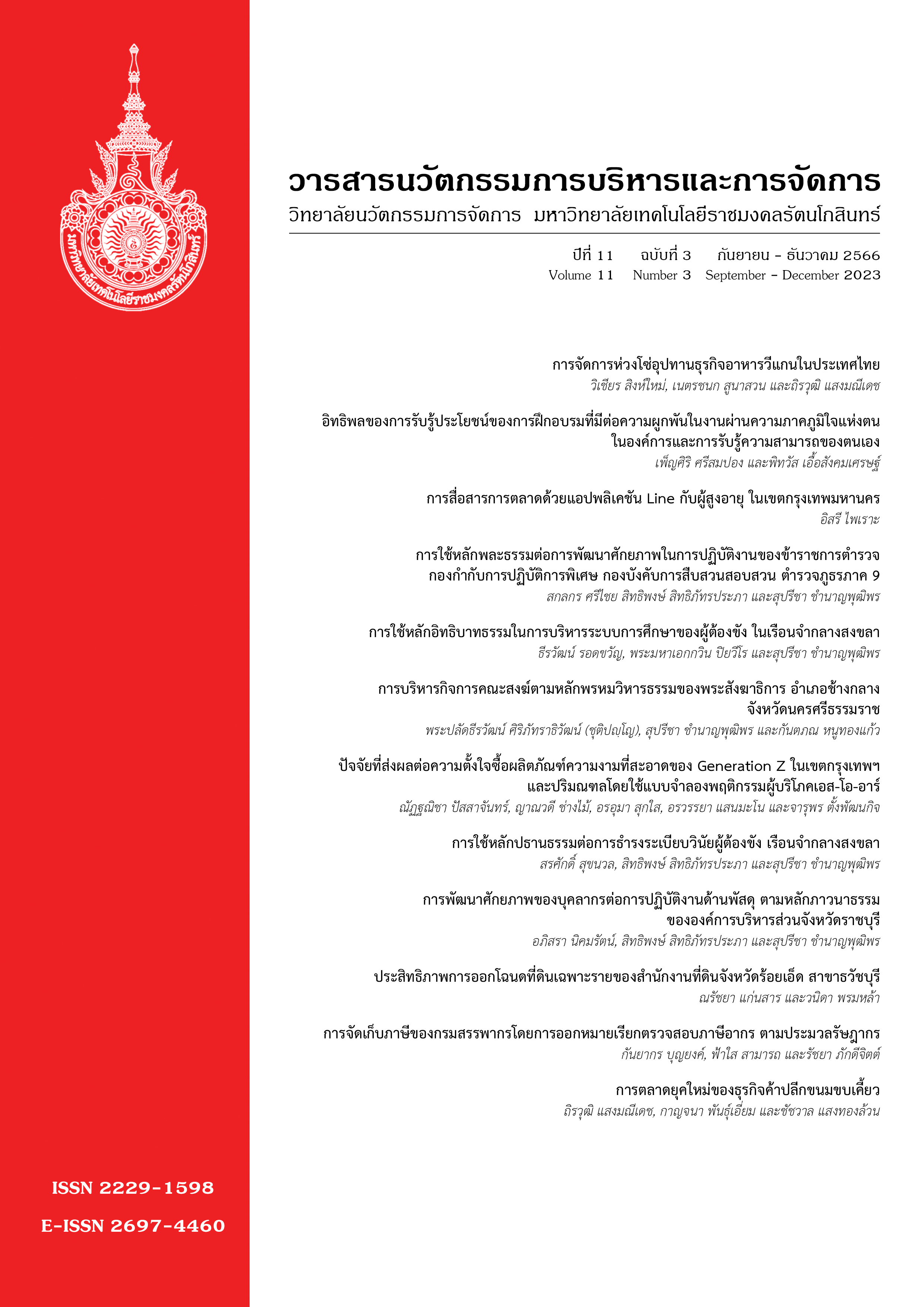
การบริหารกิจการคณะสงฆ์ตามหลักพรหมวิหารธรรมของพระสังฆาธิการ อำเภอช้างกลาง จังหวัดนครศรีธรรมราช
Article Sidebar
Main Article Content
บทคัดย่อ
บทความวิจัยนี้มีวัตถุประสงค์ 1) เพื่อวิเคราะห์การบริหารกิจการคณะสงฆ์ตามหลักพรหมวิหารธรรมของพระสังฆาธิการ อำเภอช้างกลาง จังหวัดนครศรีธรรมราช และ 2) เสนอแนะเกี่ยวกับแนวทางส่งเสริมการบริหารกิจการคณะสงฆ์ตามหลักพรหมวิหารธรรมของพระสังฆาธิการ อำเภอช้างกลาง จังหวัดนครศรีธรรมราช กลุ่มตัวอย่าง ได้แก่ ประชากรที่เป็นพระภิกษุทั้งหมดในอำเภอช้างกลาง จังหวัดนครศรีธรรมราช จำนวน 105 รูป ผู้ให้ข้อมูลสำคัญ รวม 7 รูปเลือกแบบเจาะจง เครื่องมือที่ใช้เก็บรวบรวมข้อมูลเป็นแบบสอบถามและแบบสัมภาษณ์ สถิติที่ใช้วิเคราะห์ข้อมูล คือ ความถี่ ร้อยละ ค่าเฉลี่ย ส่วนเบี่ยงเบนมาตรฐาน และการวิเคราะห์เนื้อหา ผลการวิจัยพบว่า 1) การบริหารกิจการคณะสงฆ์ตามหลักพรหมวิหารธรรมของพระสังฆาธิการ อำเภอช้างกลาง จังหวัดนครศรีธรรมราช โดยรวมอยู่ในระดับมากที่สุด ค่าเฉลี่ย โดยเรียงลำดับค่าเฉลี่ยจากมากไปน้อย ดังนี้ ด้านการปกครอง ด้านการสาธารณูปการ ด้านการศึกษาสงเคราะห์ ด้านการศาสนศึกษา ด้านการเผยแผ่ และ ด้านการสาธารณะสงเคราะห์ และ 2) แนวทางส่งเสริมการบริหารกิจการคณะสงฆ์ตามหลักพรหมวิหารธรรมของพระสังฆาธิการ อำเภอช้างกลาง จังหวัดนครศรีธรรมราช ประกอบด้วย (1) ด้านการปกครอง พระสังฆาธิการควรศึกษากฎ ระเบียบ กติกาและระเบียบการปฏิบัติงานปฏิบัติตนให้ชัดเจนเพื่อนำสู่การปฏิบัติได้อย่างมีประสิทธิภาพ (2) ด้านการศาสนศึกษาควรมีการจัดการศึกษาพระปริยัติธรรมของคณะสงฆ์ ทั้งแผนกธรรมบาลี แผนกสามัญศึกษา รวมทั้งการส่งเสริมพระภิกษุสงฆ์ สามเณรศึกษาพระปริยัติธรรมที่หลากหลาย (3) ด้านการศึกษาสงเคราะห์ควรมีการช่วยเหลือเกื้อกูลให้เยาวชนและประชาชนได้รับการศึกษาอันสมควรแก่ศักยภาพและอัตภาพ (4) ด้านการเผยแพร่ควรจัดให้มีการฟังพระธรรมเทศนา อบรมสมถวิปัสสนากรรมฐาน และการบรรยายธรรมหรือปาฐกถาธรรม (5) ด้านการสาธารณูปการควรส่งเสริมให้มีการก่อสร้างและการบูรณปฎิสังขรณ์ศาสนวัตถุ และศาสนสถานอย่างจริงจังและต่อเนื่อง และ (6) ด้านการสาธารณะสงเคราะห์ ควรสำรวจต้องการจำเป็นและให้ความช่วยเหลือพระสงฆ์ที่สอดคล้องกับ
ความต้องการ
Article Details

อนุญาตภายใต้เงื่อนไข Creative Commons Attribution-NonCommercial-NoDerivatives 4.0 International License.
ข้อความและบทความในวารสารนวัตกรรมการบริหารและการจัดการ เป็นแนวคิดของผู้เขียน ไม่ใช่ความคิดเห็นและความรับผิดชอบของคณะผู้จัดทำ บรรณาธิการ กองบรรณาธิการ วิทยาลัยนวัตกรรมการจัดการ และมหาวิทยาลัยเทคโนโลยีราชมงคลรัตนโกสินทร์
ข้อความ ข้อมูล เนื้อหา รูปภาพ ฯลฯ ที่ได้รับการีพิมพ์ในวารสารนวัตกรรมการบริหารและการจัดการ ถือเป็นลิขสิทธิ์ของวารสารนวัตกรรมการบริหารและการจัดการ หากบุคคลใดหรือหน่วยงานใดต้องการนำทั้งหมดหรือส่วนหนึ่งส่วนใดไปเผยแพร่ต่อหรือกระทำการใดๆ จะต้องได้รับอนุญาติเป็นลายลักษณ์อักษรจากวารสารนวัตกรรมการบริหารและการจัดการก่อนเท่านั้น
เอกสารอ้างอิง
กันตพงษ์ จุลราช. (2564). การนำหลักพรหมวิหารธรรมไปใช้ในการบริหารงานการปกครองคณะสงฆ์ในเขต อำเภอเมือง จังหวัดเลย. วารสารวิจัยศรีล้านช้าง, 1(1), 23-32.
พระมหาณัฐวุฒิ ฐานวุฑฺโฒ (เอียดเรือง) และกันตภณ หนูทองแก้ว. (2562). การใช้หลักพรหมวิหารธรรมในการบริหารกิจการคณะสงฆ์ของพระสังฆาธิการธรรมยุต จังหวัดนครศรีธรรมราช. วารสารปัญญา, 26(2), 63-72.
พระสุระ สนิทชัย และ รชพล ศรีขาวรส. (2562). บทบาทพระสังฆาธิการในการบริหารกิจการคณะสงฆ์ในเขตอำเภอเมือง จังหวัดนครราชสีมา. การประชุมวิชาการระดับชาติ ครั้งที่ 6 วันที่ 30 มีนาคม 2562. นครราชสีมา: วิทยาลัยนครราชสีมา.
พีระพงษ์ มีพงษ์ธรรม. (2559). บทบาทพระสังฆาธิการในการบริหารวัดโดยใช้หลักธรรมาภิบาล. Journal of Roi Kaensarn Academi, 1(1), 31-41.
พีระศิลป์ บุญทอง. (2561). การบริหารกิจการคณะสงฆ์ของคณะสงฆ์ในภาคใต้. วารสาร มหาจุฬานาครทรรศน์, 5(1), 30-44.
สมเด็จพระญาณสังวร สมเด็จพระสังฆราช (เจริญ สุวฑฺฒโน). (2527). รวมธรรมะ. กรุงเทพฯ: อมรินทร์พริ้นติ้งแอนด์พับลิชชิ่ง.
Conbach, L. J. (1984). Essential of Psychology and Education. NY: Mc-Graw Hill
Likert, R. A. (1932). Technique for the Measurement of Attitudes. Arch Psychological, 25(140), 1-55.
