ฟ้อนทางหวาน: การสร้างอัตลักษณ์นาฏยศิลป์อีสานของวิทยาลัยนาฏศิลปกาฬสินธุ์
Article Sidebar
Main Article Content
บทคัดย่อ
บทความนี้เป็นส่วนหนึ่งของงานวิจัยเรื่อง “อัตลักษณ์ที่ปรากฏในผลงานสร้างสรรค์ของวิทยาลัยนาฏศิลปกาฬสินธุ์” โดยมีวัตถุประสงค์หลักๆ เพื่อศึกษาอัตลักษณ์ที่ปรากฏในนาฏยศิลป์อีสานของวิทยาลัยนาฏศิลปกาฬสินธุ์ โดยใช้กระบวนวิจัยเชิงคุณภาพ โดยมีเครื่องมือที่ใช้ในการวิจัย ประกอบด้วย แบบสัมภาษณ์และแบบสังเกต โดยมีกลุ่มผู้ทรงคุณวุฒิ จำนวน 5 คน มีกลุ่มผู้สร้างสรรค์ จำนวน 5 คน และกลุ่มผู้แสดง จำนวน 5 คน จากนั้นเก็บรวบรวมและบันทึกข้อมูลตามความมุ่งหมายของการวิจัย ด้วยวิธีการพรรณนาวิเคราะห์
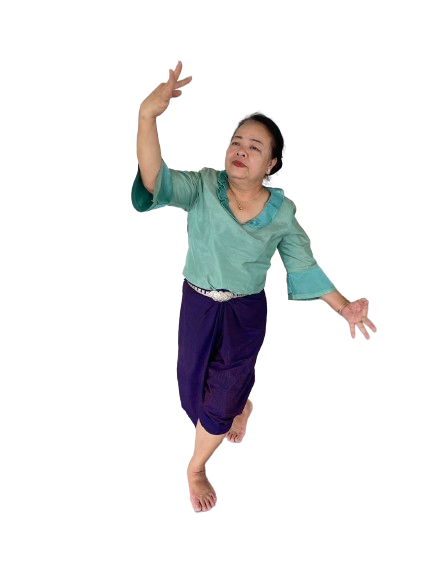
ผลการวิจัยพบว่า อัตลักษณ์อย่างหนึ่งของนาฏยศิลป์พื้นบ้านอีสานของวิทยาลัยนาฏศิลปกาฬสินธุ์คือสไตล์หรือรูปแบบลีลาท่าทางในการฟ้อน ที่มีลักษณะนุ่มนวล อ่อนหวาน มีความประณีต งดงาม และมีระเบียบ จนได้รับการขนานนามว่า “ฟ้อนหวาน” ซึ่งเกิดจากการนำท่าฟ้อนของท้องถิ่นอันบริสุทธิ์ที่ไม่มีแบบแผนตายตัว มาจัดระเบียบผสมผสานกับหลักการเบื้องต้นของนาฏยศิลป์แบบราชสำนักไทย เพื่อให้การฟ้อนมีระดับและองศาในการเคลื่อนไหวอย่างมีระเบียบแบบแผน งดงาม และชัดเจนมากขึ้น ลักษณะของท่วงท่าลีลาที่อ่อนช้อยและงดงามนี้ จึงเป็นผลพวงมาจากการผสมผสานองค์ความรู้ระหว่างภูมิปัญญาท้องถิ่นกับภูมิปัญญาราชสำนัก จนสามารถผลิตและสามารถสร้างตัวตนจากวัฒนธรรมย่อย ให้เกิดการยอมรับในพหุลักษณ์ทางนาฏศิลป์ในเวลาต่อมา ซึ่งสิ่งนี้ถือเป็นเครื่องบ่งบอกความเป็นตัวตนด้านอัตลักษณ์สำคัญของนาฏยศิลป์อีสานของวิทยาลัยนาฏศิลปกาฬสินธุ์ว่า มีความแตกต่างจากสไตล์การฟ้อนของที่อื่นอย่างชัดเจน
Article Details

อนุญาตภายใต้เงื่อนไข Creative Commons Attribution-NonCommercial-NoDerivatives 4.0 International License.
เนื้อหาและข้อมูลที่ได้รับการเผยแพร่ในวารสารวิพิธพัฒนศิลป์ ถือเป็นข้อคิดเห็นและความรับผิดชอบของผู้แต่งเท่านั้น โดยกองบรรณาธิการวารสารไม่มีส่วนรับผิดชอบต่อเนื้อหาหรือข้อคิดเห็นใด ๆ ที่ปรากฏในบทความ
เอกสารอ้างอิง
คำล่า มุสิกา. (2558). รูปแบบการสร้างสรรค์นาฏยประดิษฐ์อีสานกับสถาบันอุดมศึกษา. วารสารศิลปศาสตร์ มหาวิทยาลัยอุบลราชธานี, 12(2), 84-108. https://so03.tci-thaijo.org/index.php/jla_ubu/article/view/87298/69009
นัดรบ มุลาลี. (2537). วัฒนธรรมด้านนาฏกรรมที่เกิดจากพิธีกรรมความเชื่อ. โอเดียนสโตร์.
พีรพงศ์ เสนไสย. (2557). นาฏยประดิษฐ์อีสาน. โครงการหนึ่งคณะหนึ่งศิลปวัฒนธรรม. คณะศิลปกรรมศาสตร์. มหาวิทยาลัยมหาสารคาม.
วิภาพร ฝ่ายเพีย. (2556). การสร้างสรรค์ฟ้อนพื้นบ้านอีสาน: กรณีศึกษาวิทยาลัยนาฏศิลปกาฬสินธุ์. [วิทยานิพนธ์ปริญญามหาบัณฑิต ไม่ได้ตีพิมพ์]. มหาวิทยาลัยราชภัฏสวนสุนันทา.
ศิริพร ภักดีผาสุก. (2561). ความสัมพันธ์ระหว่างภาษากับอัตลักษณ์และแนวทางการนำมาศึกษาภาษาไทย. สำนักพิมพ์แห่งจุฬาลงกรณ์มหาวิทยาลัย.
สถาบันบัณฑิตพัฒนศิลป์. (2558). มหกรรมวัฒนธรรมเฉลิมพระเกียรติสมเด็จพระเทพรัตนราชสุดาฯ สยามบรมราชกุมารี ณ วิทยาลัยนาฏศิลปกาฬสินธุ์. สถาบันบัณฑิตพัฒนศิลป์ กระทรวงวัฒนธรรม.
สุธิวัฒน์ แจ่มใส. (2565). นาฏยลักษณ์การฟ้อนอีสาน ของฉวีวรรณ พันธุ ศิลปินแห่งชาติ. [วิทยานิพนธ์ปริญญามหาบัณฑิต ไม่ได้ตีพิมพ์]. มหาวิทยาลัยมหาสารคาม.
สำนักงานพัฒนาชุมชนจังหวัดกาฬสินธุ์. (2554). แพรวากาฬสินธุ์. เสียงภูพาน.
อคิน รพีพัฒน์. (2554). วัฒนธรรมคือความหมาย: ทฤษฎีและวิธีการของ คลิฟฟอร์ด เกียรซ์. ศูนย์มานุษยวิทยาสิรินธร (องค์การมหาชน).
อนุสรณ์ อุณโณ. (2558). มอง “ปรากฎการณ์ชุดไทย” ผ่านมุมมองนักวิชาการ ว่าด้วย “อุดมการณ์รัฐ-ตัวตน-อัตลักษณ์ท้องถิ่น”. มติชนออนไลน์. http://www.matichon.co.th/newsdetail.phpnewsid
อภิญญา เฟื่องฟูสกุล. (2546). อัตลักษณ์ การทบทวนทฤษฎีและกรอบแนวคิด. สำนักงานคณะกรรมการการวิจัยแห่งชาติ.
Woodward, K. (1997). Identity and Difference. SAGE Publications.
