
Power and Culture: Ram Wong Mattrathan
Article Sidebar
Main Article Content
Abstract
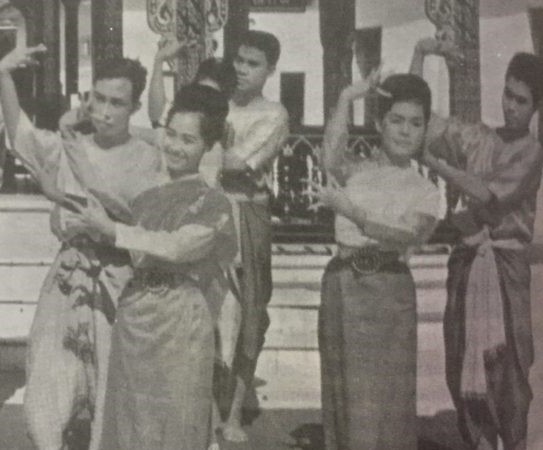
This article aims to present Ram Wong Mattrathan as a tool for communicating Thai cultural power according to the Field Marshal Plaek Phibunsongkhram's policy to show a civilized nation to the world. A creative approach to disseminating Ram Wong Mattrathan purposed to change life and political value and cultivate Thai cultural concepts, behaviours, and traditions based on the leader's desires. In terms of dissemination through the public on various occasions, the government continued to act in various activities, including the selection of the performing arts, a blend of original and contemporary creations, and inspection by the appointed specialists. These actions have made the prototype artists, who showed their performances, gain popularity and caused motivation and social trends. Determining the practices of society led to the instillation of individuality and society at large when people watched, listened, and followed the significant ideas through the lyrics to become the routine activity transmitted to the next generation. The influence of Ram Wong Mattrathan on the individual person, the particular social group, and the society at that time also had a subsequent impact on Thai nationalism, independence, international Thai costume or international style, military service, diligence, Thai dance and play, Thai language, and characteristics of Thai women. In addition, when Ram Wong Mattrathan is presented to foreigners, it also creates the country's image and expands the cultural influence reflecting solidarity.
Article Details

This work is licensed under a Creative Commons Attribution-NonCommercial-NoDerivatives 4.0 International License.
All authors must take public responsibility for the content of their paper. The WIPIT Journal Editors will not be taking any public responsibility for the content in the paper.
References
กรมศิลปากร. (2505). รำวง. กรมศิลปากร.
กรมศิลปากร. (2521). กฎหมายตราสามดวง. กรมศิลปากร.
กลุ่มเผยแพร่และประชาสัมพันธ์ กรมศิลปากร. (2559, 22 สิงหาคม). การนำเสนอบทความ ชุดรำวงมาตรฐาน. Facebook.https://m.facebook.com/prfinearts/photos/a.1122295887837854/1122304434503666/?type=3&_rdr
จอมเกล้าเจ้าอยู่หัว, พระบาทสมเด็จพระ. (2497). ประชุมประกาศรัชกาลที่ 4: ประกาศว่าด้วยลครผู้หญิง แลเรื่องหมอเรื่องช่าง. https://vajirayana.org/ประชุมประกาศรัชกาลที่-๔-ภาค-๒/๕๘-ประกาศว่าด้วยลครผู้หญิง แลเรื่องหมอเรื่องช่าง
จีรวัสส์ ปันยารชุน. (2535). ท่านผู้หญิงละเอียด พิบูลสงคราม. ด่านสุทธา.
ชาญ อังศุโชติ. (2540). จอมพล ป. พิบูลสงคราม : ครบรอบศตวรรษ 14 กรกฎาคม 2540. มูลนิธิจอมพล ป. พิบูลสงคราม และท่านผู้หญิงละเอียด พิบูลสงคราม.
ชำนาญ จันทร์เรือง. (2564, 27 ตุลาคม). ซอฟต์พาวเวอร์ คืออะไร. กรุงเทพธุรกิจ. https://www.bangkokbiznews.com/ blogs/columnist/968174
ดำรงราชานุภาพ, สมเด็จพระเจ้าบรมวงศ์เธอ. (2479). ตำราฟ้อนรำ ฉบับเรียบเรียงในหอพระสมุดวชิรญาณสำหรับพระนคร. http://164.115.27.97/digital/ items/show/7441
เต้นรำ ลีลาศ Social Dance. (2558, 18 กรกฎาคม). ลีลาศ 10 จังหวะตามมาตรฐานสากล. Facebook. https://th-th.facebook.com/614293788586655/photos/1150685514947477
ทิพากรวงศ์ (ขำ บุนนาค), เจ้าพระยา. (2504). พระราชพงศาวดารกรุงรัตนโกสินทร์รัชกาลที่ 3 เล่ม 1. คุรุสภา.
ไทยรัฐฉบับพิมพ์. (2561, 10 พฤศจิกายน). โขนพิเภกสวามิภักดิ์ รอดตายเพราะคำแม่. ไทยรัฐออนไลน์. https://www.thairath.co.th/news/local/1416576
ธนิต อยู่โพธิ์. (2531). ศิลปละคอนรำหรือคู่มือนาฏศิลป์ไทย. (พิมพ์ครั้งที่ 2). กรมศิลปากร.
ธำรงศักดิ์ เพชรเลิศอนันต์. (2563, 24 สิงหาคม). เลือดสุพรรณ: ปลุกใจผู้หญิงไทยให้รักชาติและลุกรบ. ศิลปวัฒนธรรม. https://www.silpa-mag.com/history/article_7167
นิติราษฎร์ บุญโย. (2565, 19 เมษายน). soft power ของไทย? ความหมาย ความจริงและความฝัน. กรุงเทพธุรกิจ. https://www.bangkokbiznews.com/blogs/columnist/999871
นรินทรเทวี, กรมหลวง และ จุลจอมเกล้าเจ้าอยู่หัว, พระบาทสมเด็จพระ. (2526). จดหมายเหตุความทรงจำของกรมหลวงนรินทรเทวี (พ.ศ. 2310-2381) และพระราชวิจารณ์ในพระบาทสมเด็จพระจุลจอมเกล้าเจ้าอยู่หัว. (พิมพ์ครั้งที่ 6). กองวรรณคดีและประวัติศาสตร์ กรมศิลปากร.
ประวัติศาสตร์ ศิลปวัฒนธรรม มติชนสุดสัปดาห์. (2565, 1 มีนาคม). “บทละครพูด” พระราชนิพนธ์รัชกาลที่ 6 เครื่องมือที่ทรงใช้สื่อสารกับสาธารณะ. https://www.silpa-mag.com/history/article_41565
ปรามินทร์ เครือทอง. (2563, 11 ธันวาคม). “รำวง” อาวุธของจอมพล ป. ที่ใช้รับมือญี่ปุ่น สู่ภาคปฏิบัติ หยุดราชการครึ่งวันมารำวง?. ศิลปวัฒนธรรม. https://www.silpa-mag.com/culture/article_31303
มณิศา วศินารมณ์. (2557). รายงานวิจัย เรื่อง ละครรำรัชกาลที่ 7 และการสืบทอด. สถาบันพระปกเกล้า.
มณิศา วศินารมณ์. (2561). นาฏกรรมไทยกับนโยบายการปกครอง พ.ศ.2468-2516. [วิทยานิพนธ์ปริญญาดุษฎีบัณฑิต, จุฬาลงกรณ์มหาวิทยาลัย]. Chulalongkorn University Intellectual Repository (CUIR). http://cuir.car.chula.ac.th/handle/123456789/73158
มณิศา วศินารมณ์. (2565). แผนภูมิการสร้างสรรค์ และการเผยแพร่รำวงมาตรฐาน ฉบับจอมพล ป. พิบูลสงคราม. [เอกสารที่ไม่ได้ตีพิมพ์]. จุฬาลงกรณ์มหาวิทยาลัย.
รัฐนิยม. (2485). ยิ้มศรี.
โรม บุนนาค. (2559, 3 กุมภาพันธ์). ร.๖ ทรงวินิจฉัย “ท้าวแสนปม” เรื่องปาฏิหาริย์เหลือเชื่อ ซ่อนความจริงที่เป็นไปได้ไว้!!!. ผู้จัดการออนไลน์. https://m.mgronline.com/onlinesection/detail/
วิจิตรวาทการ, หลวง. (2506). นาฏศิลป. พระจันทร์.
สำนักงานวัฒนธรรมจังหวัดลพบุรี. (2559, 17 มิถุนายน). รำโทน. https://www.m-culture.go.th/lopburi/ewt_news.php?nid=436&filename=index
สุจิตต์ วงษ์เทศ. (2559, 20 มิถุนายน). สุจิตต์ วงษ์เทศ : คำพิพากษาจากอำนาจทางวัฒนธรรมไทย. มติชนออนไลน์. https://www.matichon.co.th/education/news_181972
สุรพล วิรุฬห์รักษ์. (2543). นาฏยศิลป์ปริทรรศน์. ห้องภาพสุวรรณ.
สุรพล วิรุฬห์รักษ์. (2549). นาฏยศิลป์รัชกาลที่ 9. สำนักพิมพ์จุฬาลงกรณ์มหาวิทยาลัย.
อัษฎา อาทรไผท. (2565, 10 มกราคม). งามแสงเดือน จากยุค จอมพล ป. สู่สมัย พลเอกประยุทธ์. มติชนสุดสัปดาห์. https://www.matichonweekly.com/column/article_507473
AJAN THUS. (ม.ป.ป.). ใบความรู้เรื่อง รำโทน. https://mobile.sites.google.com/site/ajanthus/ra-thon
