หนังใหญ่วัดบ้านดอน: การสร้างตัวหนังใหญ่สำหรับการแสดงหนังใหญ่ ร่วมสมัย เรื่อง “สุดสาครจับม้านิลมังกร” Large Shadow Puppets (Nang Yai) from Wat Baan Don: The Creation of Puppets for the Contemporary Shadow Puppetry “Sudsakorn Captures the Black Dragon Horse”
Article Sidebar
Main Article Content
บทคัดย่อ
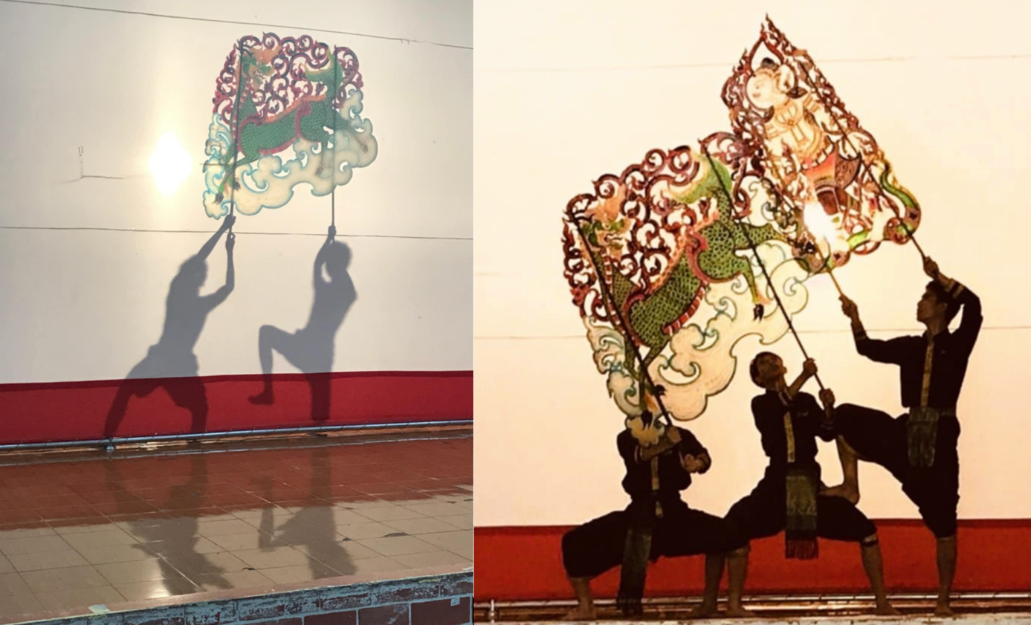
หนังใหญ่เป็นศิลปะการแสดงขั้นสูงของไทยที่มีมาอย่างช้านาน ที่ผสานศาสตร์ทางด้านวรรณศิลป์ จิตรกรรม ประติมากรรม นาฏศิลป์ และคีตศิลป์เข้าด้วยกัน ในทุกขั้นตอนของการสร้างสรรค์ตัวหนังจึงต้องอาศัยความประณีตและความชำนาญของช่างฝีมือ ในปัจจุบัน คณะหนังใหญ่วัดบ้านดอนได้ปรับเปลี่ยนรูปแบบการแสดงให้สอดคล้องกับบริบทปัจจุบันมากขึ้น โดยนำเสนอเรื่องราวพระอภัยมณี ตอนสุดสาครจับม้านิลมังกร ซึ่งเป็นงานสร้างสรรค์จากความร่วมมือระหว่างคณะหนังใหญ่วัดบ้านดอนและงานวิจัยของอาจารย์นพพล จำเริญทอง การแสดงหนังใหญ่ร่วมสมัยครั้งนี้นั้นมีการสร้างสรรค์ตัวหนังขึ้นใหม่ 3 ตัว ได้แก่ 1) หนังสุดสาคร 2) หนังม้านิลมังกร และ 3) หนังสุดสาครจับม้านิลมังกร โดยเทคนิคการสร้างสรรค์ยังคงรักษากรรมวิธีการผลิตแบบดั้งเดิม ได้แก่ การเตรียมหนัง การออกแบบลาย การฉลุลาย การลงสี และการติดไม้คาบหนัง ทั้งนี้แม้วัสดุบางส่วนจะถูกปรับเปลี่ยนเพื่อความสะดวกในการผลิต แต่แก่นแท้ของสุนทรียะในหนังใหญ่ยังคงอยู่ การสร้างสรรค์หนังใหญ่ในครั้งนี้เป็นตัวอย่างสำคัญของการผสมผสานระหว่างประเพณีดั้งเดิมและแนวคิดใหม่ ช่วยส่งเสริมให้ศิลปินรุ่นใหม่มีส่วนร่วมในการอนุรักษ์และพัฒนาศิลปะการแสดงแขนงนี้ให้ดำรงอยู่ในสังคมไทยต่อไป
Article Details

อนุญาตภายใต้เงื่อนไข Creative Commons Attribution-NonCommercial-NoDerivatives 4.0 International License.
เนื้อหาและข้อมูลที่ได้รับการเผยแพร่ในวารสารวิพิธพัฒนศิลป์ ถือเป็นข้อคิดเห็นและความรับผิดชอบของผู้แต่งเท่านั้น โดยกองบรรณาธิการวารสารไม่มีส่วนรับผิดชอบต่อเนื้อหาหรือข้อคิดเห็นใด ๆ ที่ปรากฏในบทความ
เอกสารอ้างอิง
กรมศิลปากร. (2551). ประวัติหนังใหญ่กับการอนุรักษ์. กรุงเทพฯ: รัฐมนตรีว่าการกระทรวงวัฒนธรรม.
กรมศิลปากร. (2551). เหลียวหน้า แลหลัง ดูหนังใหญ่. สำนักพิพิธภัณฑสถานแห่งชาติ กรมศิลปากร กระทรวงวัฒนธรรม : กรุงเทพฯ
ฉวีวรรณ ศิริ. (2528). สาเหตุของการเสื่อมความนิยมหนังใหญ่วัดขนอน ต.สร้อยฟ้า อ.โพธาราม จ.ราชบุรี. สารนิพนธ์ศิลปศาสตรบัณฑิต (มานุษยวิทยา) มหาวิทยาลัยศิลปากร.
ชีวสิทธิ์ บุญยเกียรติ และคณะ. (2549). หนังใหญ่วัดบ้านดอน. ศูนย์มานุษยวิทยาสิรินธร (องค์การมหาชน) กรุงเทพฯ.
ผะอบ โปษะกฤษณะ. (2537). “ความเป็นมาของหนังใหญ่วัดขนอน” การศึกษาการถ่ายทอดวัฒนธรรม: กรณี
ศึกษาหนังใหญ่วัดขนอน. เอกสารประกอบการประชุมวิชาการเนื่องในโอกาสวันคล้ายวันสถาปนาคณะครุศาสตร์ ครบ ๓๗ ปี, ๘ - ๙ กรกฎาคม ๒๕๓๗. คณะครุศาสตร์ จุฬาลงกรณ์มหาวิทยาลัย
สถาบันส่งเสริมศิลปหัตถกรรมไทย. (2564). หนังใหญ่วัดขนอน. https://archive.sacit.or.th
สเถียร ชังเกตุ. (2538). หนังใหญ่: ศิลปะการแสดงชั้นสูงของไทย. กรุงเทพฯ: ชวนพิมพ์.
Bamrungchoo, B., Yodmalee, B., & Samdaengdej, K. (2010). The Ways to Conserve and Develop Isan-Shadow Puppet Performances for Promoting Cultural Value and Worth. Journal of Social Sciences, 6(3), 408–410. https://doi.org/10.3844/JSSP.2010.408.410
Hadzantonis, M. D. (2022). Malay, in the shadows. Journal of Asian Pacific Communication, 32(1), 52–82. https://doi.org/10.1075/japc.00084.had
Resminingayu, D. H. (2022). Shadow puppets: the negotiated culture in Malaysia and Indonesia. Deleted Journal, 2(01). https://doi.org/10.57210/trq.v2i01.143
Tawalwongsri, S. (2012). The Creative Choreography for Nang Yai (Thai traditional shadow puppet theatre) Ramakien, Wat Ban Don, Rayong Province. Fine Arts Journal, 14(2). http://ejournals.swu.ac.th/index.php/jfofa/article/view/2048
