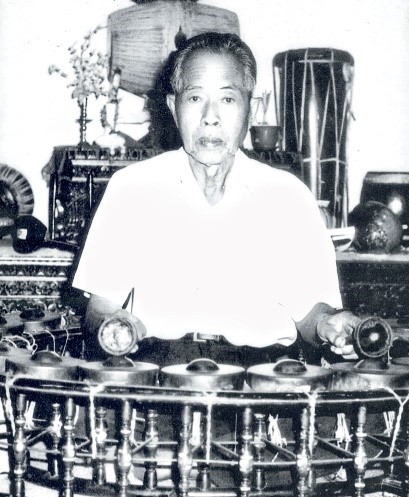
กลวิธีการเล่นมือฆ้องวงใหญ่เพลงเชิด ตามแนวทางของครูสอน วงฆ้อง
Article Sidebar
Main Article Content
บทคัดย่อ
งานวิจัยเรื่อง กลวิธีการเล่นมือฆ้องวงใหญ่ เพลงเชิด ตามแนวทางครูสอน วงฆ้อง มีวัตถุประสงค์เพื่อ 1) สังเคราะห์ประวัติ และผลงานของครูสอน วงฆ้อง 2) ศึกษากลวิธีการเล่นมือฆ้องวงใหญ่เพลงเชิด ตามแนวทางของครูสอน วงฆ้อง เป็นงานวิจัยเชิงคุณภาพ กรณีศึกษาเพลงเชิด จำนวน 16 ตัว ใช้วิธีเก็บข้อมูลจากการสัมภาษณ์และการสังเกตจากกลุ่มบุคคลข้อมูล ได้แก่ กลุ่มผู้ให้ข้อมูลหลัก กลุ่มครูอาจารย์สอนดนตรีไทย และกลุ่มนักวิชาการดนตรีไทย นำข้อมูลมาทำการวิเคราะห์ สังเคราะห์ และนำเสนอในรูปแบบงานวิจัย
ผลการวิจัยพบว่า 1) ประวัติครูสอน วงฆ้อง มีประเด็นที่น่าสนใจคือ การเริ่มเรียนดนตรีตามจารีตกับครูทอง ฤทธิรณ ผู้ขัดเกลาให้มีคุณลักษณะนักดนตรีที่สง่างาม จนทำให้ได้เข้าเป็นมหาดเล็กกระทรวงวัง ในสังกัดเจ้าพระยาธรรมาธิกรณาธิบดี (ม.ร.ว. ปุ้ม มาลากุล) เสนาบดีกระทรวงวังในรัชกาลที่ 6 โดยพระยาเสนาะดุริยางค์ เป็นครูสอนวิชาการดนตรี และขัดเกลาให้ครูสอนมีความรู้ ความเชี่ยวชาญการตีฆ้องวงใหญ่ ด้านผลงานของท่านมีความโดดเด่นเป็นเอกลักษณ์ โดยเฉพาะการเล่นมือฆ้องวงใหญ่ ซึ่งเป็นการนำทำนองหลักของเพลงมาแปรทำนอง หรือตกแต่งสำนวน รวมถึงการยืมสำนวนเพลงอื่นมาใช้ เพื่อให้เกิดสำนวนใหม่ที่แตกต่างไปจากทำนองหลัก ฉายสำนวนที่มีลักษณะพิเศษด้วยกลวิธีต่าง ๆ 2) กลวิธีการเล่นมือฆ้องวงใหญ่ในเพลงเชิด พบกลวิธีอยู่ทั้งหมด 4 รูปแบบ คือ การตีเฉี่ยว การตีเล่นสำนวนทำนองหลัก การตีเล่นจังหวะ และการตีสะบัด ซึ่งกลวิธีทั้งหมดนี้ มีส่วนสำคัญในการนำมาสร้างเป็นสำนวนการเล่นมือที่สามารถแสดงอารมณ์เพลงออกมาได้อย่างชัดเจน
Article Details

อนุญาตภายใต้เงื่อนไข Creative Commons Attribution-NonCommercial-NoDerivatives 4.0 International License.
เนื้อหาและข้อมูลที่ได้รับการเผยแพร่ในวารสารวิพิธพัฒนศิลป์ ถือเป็นข้อคิดเห็นและความรับผิดชอบของผู้แต่งเท่านั้น โดยกองบรรณาธิการวารสารไม่มีส่วนรับผิดชอบต่อเนื้อหาหรือข้อคิดเห็นใด ๆ ที่ปรากฏในบทความ
เอกสารอ้างอิง
ครูสอน วงฆ้อง. (2564, 24 มิถุนายน). เล่นมือ หรือ มือเล่น. Facebook. https://web.facebook.com/MelodyinThaimusic
เฉลิมศักดิ์ พิกุลศรี. (2542). อักษราดุริยางค์ทางฆ้องวงใหญ่ ฉบับไม้นวม. โอเดียนสโตร์.
ชูเกียรติ วงฆ้อง. (2539). ดนตรีไทย. จุฬาลงกรณ์มหาวิทยาลัย.
ณัชชา พันธุ์เจริญ. (2560). สังคีตลักษณ์และการวิเคราะห์ (พิมพ์ครั้งที่ 6). ธนาเพรส.
ณัฐภัทร ปัญจะ. (2567). กลวิธีการเล่นมือฆ้องวงใหญ่เพลงเชิด ตามแนวทางของครูสอน วงฆ้อง. [วิทยานิพนธ์ปริญญามหาบัณฑิต ไม่ได้ตีพิมพ์]. สถาบันบัณฑิตพัฒนศิลป์.
บุษยา ชิตท้วม. (2561). ทฤษฎีดุริยางค์ไทย. จุฬาลงกรณ์มหาวิทยาลัย.
มนตรี ตราโมท และ วิเชียร กุลตัณฑ์. (2523). ฟังและเข้าใจเพลงไทย. ไทยเขษม.
มานพ วิสุทธิแพทย์. (2563). การวิเคราะห์เพลงไทย. กริดส์ดีไซน์ แอนด์ คอมมูนิเคชั่น.
สงบศึก ธรรมวิหาร. (2545). ดุริยางค์ไทย (พิมพ์ครั้งที่ 3). จุฬาลงกรณ์มหาวิทยาลัย.
อรวรรณ บรรจงศิลป และ คณะ. (2546). ดุริยางคศิลป์ไทย. จุฬาลงกรณ์มหาวิทยาลัย.
Moving Image Research Collections. (1930, 21 March). Fox Movietone News story 6-532 (r2of 2): “Royal Siamese musicians—outtakes”. YouTube. https://www.youtube.com/watch?v=CPZ0H5XrtqI
