ผ้าซิ่นนางหาญ: ตำนานและอัตลักษณ์ผ้าทอพื้นบ้านของกลุ่มชาติพันธุ์ไทดำ อำเภอเชียงคาน จังหวัดเลย
Article Sidebar
Main Article Content
บทคัดย่อ
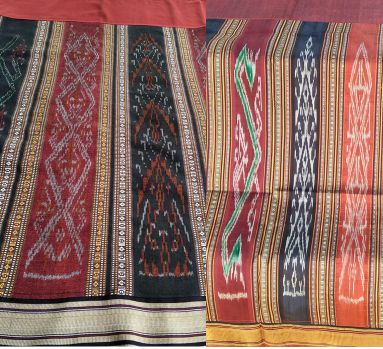
บทความวิชาการนี้มีวัตถุประสงค์เพื่อ ศึกษาตำนานและอัตลักษณ์ผ้าซิ่นนางหาญของกลุ่มชาติพันธุ์ไทดำ อำเภอเชียงคาน จังหวัดเลย ใช้แนวคิดและทฤษฎีอัตลักษณ์ ภูมิปัญญาผ้าทอพื้นบ้านและการผลิตซ้ำทางวัฒนธรรมในการศึกษา เก็บรวบรวมข้อมูลด้วยการศึกษาเอกสารและการลงพื้นที่ภาคสนาม ผลการศึกษาพบว่า ผ้าซิ่นนางหาญเป็นตำนานที่ถูกสร้างขึ้นโดยไม่ได้บันทึกเป็นลายลักษณ์อักษรสำหรับตำนานผ้าซิ่นนางหาญที่ถูกเล่าสืบต่อกันมามี 3 ตำนาน ดังนี้ ตำนานแรกผู้หญิงไทดำ 3 คนทอผ้า โดยผู้หญิงคนที่ 1 และผู้หญิงคนที่ 2 เริ่มต้นทอผ้าแล้วเสียชีวิตโดยไม่ทราบสาเหตุ ผู้หญิงคนที่ 3 จึงได้ทอผ้าต่อ ก่อนทอได้บนบานว่าจะนำผ้าที่ทอเสร็จถวายแก่ผีบ้านผีเรือนในพิธีเสนเฮือน ตำนานที่สอง กล่าวถึงหญิงไทดำชื่อนางหุง อยู่เมืองแถนได้ร่วมรบกับทหาร เพื่อต่อสู้ข้าศึกที่เข้ามารุกรานบ้านเมือง โดยนางได้ทำการรบอย่างเต็มความสามารถ จนขับไล่ข้าศึกออกไปจากเมืองได้ เมื่อกลับถิ่นฐานจึงได้ทอผ้าถวายราชินี และพระราชินีได้พระราชทานชื่อใหม่ว่า “นางหาญ” ส่วนตำนานที่ 3 เป็นเรื่องช่างทอที่ต้องการทอผ้าซิ่นนางหาญถวายพระเจ้าแผ่นดินเพื่อแสดงถึงความจงรักภักดี อย่างไรก็ดีแต่ละตำนานได้สื่อสารถึงทักษะและความสามารถของหญิงไทดำที่มุ่งมั่น เด็ดเดี่ยว และกล้าหาญที่จะทอผ้าให้มีความสวยงาม สำหรับอัตลักษณ์ผ้าซิ่นนางหาญ คือ ผ้าทอลายมัดหมี่และลายทอขิดจำนวน 5 ลายคือ ลายนาคใหญ่ ลายนาคน้อย ลายช่อปราสาท ลายขิดผีเสื้อ และลายขิดตุ้ม ที่แฝงเรื่องราวความกล้าหาญของหญิงไทดำ ส่วนคุณค่าของผ้าซิ่นนางหาญ ได้แก่ ด้านความเชื่อ ด้านประวัติศาสตร์ ด้านวิถีชีวิต ด้านเศรษฐกิจ ด้านภูมิปัญญาท้องถิ่น และด้านการท่องเที่ยว
Article Details

อนุญาตภายใต้เงื่อนไข Creative Commons Attribution-NonCommercial-NoDerivatives 4.0 International License.
เนื้อหาและข้อมูลที่ได้รับการเผยแพร่ในวารสารวิพิธพัฒนศิลป์ ถือเป็นข้อคิดเห็นและความรับผิดชอบของผู้แต่งเท่านั้น โดยกองบรรณาธิการวารสารไม่มีส่วนรับผิดชอบต่อเนื้อหาหรือข้อคิดเห็นใด ๆ ที่ปรากฏในบทความ
เอกสารอ้างอิง
กานต์ณรัน สีหมากสุก. (2565). สุนทรียะในลวดลายผ้าซิ่นนางหาญของไทดำในเขตบ้านนาป่าหนาด ตำบลเขาแก้ว อำเภอเชียงคาน จังหวัดเลย. วารสารวิชาการสถาบันพัฒนาพระวิทยากร, 5(1), 267-277. https://so06.tci-thaijo.org/index.php/tmd/article/view/252037
คลฑรรน์รัตน์ ดิษบรรจง. (2563). สุนทรียทัศน์ทางพระพุทธศาสนาบนลวดลายผ้าทอของชาวไททรงดำ. วารสารมหาจุฬาวิชาการ, 8(1), 368-379. https://so04.tci-thaijo.org/index.php/JMA/article/view/244610
ทัศนีย์ภรณ์ งามพรม และ ณฐภรณ์ รัตนชัยวงศ์. (2563). รูปแบบและการผลิตซ้ำทางวัฒนธรรมพิธีกรรมฟ้อนกลองตุ้ม. วารสารมนุษยศาสตร์และสังคมศาสตร์ มหาวิทยาลัยพะเยา, 8(2), 271-289. https://so03.tci-thaijo.org/index.php/Humanties-up/article/view/248188/167093
ไทยโรจน์ พวงมณี, คชสีห์ เจริญสุข และ สุภาวดี สำราญ. (2565). อัตลักษณ์และสุนทรียภาพของหน้ากากผีบุ้งเต้าที่ส่งผลต่อการพัฒนาการท่องเที่ยวบ้านไฮตาก อำเภอภูเรือ จังหวัดเลย. วารสารมังรายสาร, 10(2), 67-81. https://so04.tci-thaijo.org/index.php/mrsj/article/view/260436/177507
นายเล็กคนพันธุ์เลาะ. (2559, 29 ธันวาคม). ฟ้อนนางหาญผ้าโบราณไทดำ. YouTube. https://www.youtube.com/watch?v=7BgtEdn_9DI
พิสุทธิลักษณ์ บุญโต. (2557). การสร้างบริบทใหม่ให้แก่ซิ่นตาหมี่ของชาวไทดำในพื้นที่ภูมิภาคตะวันตกของประเทศไทย [วิทยานิพนธ์ศิลปศาสตรมหาบัณฑิต, มหาวิทยาลัยมหิดล].https://dric.nrct.go.th/Search/SearchDetail/282461
เพจเฮือนอ้าย เอ้ม. (2566, 20 ตุลาคม). แหล่งเรียนรู้ภูมิปัญญาคนไทดำ ผ้าทอมือนางหาญ วิถีชีวิตไทดำ. Facebook. https://www.facebook.com/herneyeem
ภคพล รอบคอบ. (2563). การสื่อสารเพื่อถ่ายทอดภูมิปัญญาและสืบสานการท้อผ้าพื้นเมืองของชุมชนบ้านนาป่าหนาด อำเภอเชียงคาน จังหวัดเลย [วิทยานิพนธ์ปริญญาศิลปศาสตรมหาบัณฑิต, สถาบันพัฒนาบริหารศาสตร์]. NIDA Wisdom Repository. https://repository.nida.ac.th/items/f6d00a04-d138-4147-83c9-2058ca270196
ลัดดา จิตตคุตตานนท์. (2565). การวิเคราะห์การสื่อสารเชิงวัฒนธรรมเพื่อการผลิตซ้ำตำนานอินทขิล. วารสารศิลปศาสตร์ มหาวิทยาลัยแม่โจ้, 10(1), 90-108. https://so03.tci-thaijo.org/index.php/liberalartsjournal/article/view/261795/174019
ศูนย์มานุษยวิทยาสิรินธร (องค์การมหาชน). (2564). ตบม้อน. ฐานข้อมูลเครื่องมือเครื่องใช้พื้นบ้าน.https://www.sac.or.th/databases/traditional-objects/th/equipment-detail.php?ob_id=170
สถานีวิทยุเวียดนาม. (2563, 27 มีนาคม). Khau cút สัญลักษณ์ด้านความเลื่อมใสบนหลังคาบ้านของชาวเผ่าไทดำในจังหวัดเอียนบ๊าย. สถานีวิทยุเวียดนาม – ส่วนกระจายเสียงต่างประเทศแห่งชาติ (THE VOICE OF VIETNAM - VOV WORLD). https://vovworld.vn/th-TH
สุภาพร วิชัยดิษฐ์, ศกลวรรณ คงมานนท์ และ พุธรัตน์ บัวตะมะ. (2565). การเพิ่มมูลค่าภูมิปัญญาผ้าท้องถิ่นสู่การท่องเที่ยวเชิงสร้างสรรค์. Journal of Modern Learning Development, 7(3), 347-364. https://so06.tci-thaijo.org/index.php/jomld/article/view/254936/172481
อิสริยาภรณ์ ชัยกุหลาบ และ ไทยโรจน์ พวงมณี. (2561). การศึกษาวิเคราะห์ผ้าซิ่นลายนางหาญของกลุ่มชาติพันธุ์ไทดำ อำเภอเชียงคาน จังหวัดเลย. รายงานสืบเนื่องการประชุมวิชาการของมหาวิทยาลัยเกษตรศาสตร์ครั้งที่ 56. (น. 827-833) มหาวิทยาลัยเกษตรศาสตร์.
touronthai ท่องเที่ยว&เกษตร. (2562, 24 ธันวาคม). ความเป็นมาของผ้าทอลายนางหาญ ผ้าซิ่นชาวไทดำ เฮือนอ้าย เอ้ม เชียงคาน. YouTube. https://www.youtube.com/watch?v=o9jMNCxjuOs
