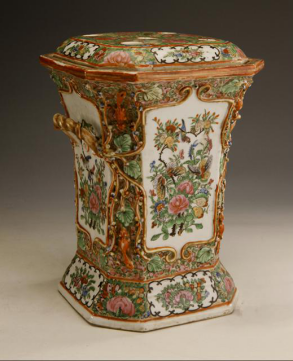
การสืบทอดและนวัตกรรม: การนำเครื่องเคลือบกว่างฉ่าย เมืองกว่างโจว ศตวรรษที่ 18 -19 มาใช้ในการออกแบบศิลปะเครื่องเคลือบสมัยใหม่
Article Sidebar
Main Article Content
บทคัดย่อ
ในช่วงสองศตวรรษที่ผ่านมาเครื่องเคลือบกว่างฉ่าย เมืองกว่างโจว ใช้ลักษณะทางสุนทรียะเฉพาะตัวและฝีมือการผลิตที่ยอดเยี่ยมจนกลายเป็นหนึ่งในมรดกที่สำคัญของวัฒนธรรมเครื่องเคลือบในประเทศจีน งานวิจัยฉบับนี้ใช้วิธีการวิจัยวรรณกรรมและวิธีการตรวจสอบในพื้นที่ มีวัตถุประสงค์เพื่อศึกษาเบื้องหลังทางประวัติศาสตร์ เทคนิคการผลิตและจุดเด่นทางศิลปะของเครื่องเคลือบกว่างฉ่าย เมืองกว่างโจว เพื่อให้เข้าใจถึงต้นกำเนิดและพัฒนาการข เป็นการศึกษาเชิงลึกด้านเทคนิคการผลิตและองค์ประกอบให้เข้าใจลึกซึ้งยิ่งขึ้น ในขณะเดียวกันได้สำรวจการสืบทอดและการสร้างสรรค์งานศิลปะเครื่องเคลือบสมัยใหม่
ผลการวิจัยพบว่า เครื่องเคลือบกว่างฉ่าย เมืองกว่างโจว มีความสมบูรณ์ มีชีวิตชีวา และงดงามเป็นจุดเด่น เช่น การออกแบบเชิงนวัตกรรมแบบผสมผสาน การออกแบบเชิงนวัตกรรมที่ตกแต่งด้วยลายขอบ การออกแบบเชิงนวัตกรรมแบบแตกโครงสร้าง และการออกแบบเชิงนวัตกรรมแบบเปลี่ยนสี เป็นต้น สามารถผสมผสานองค์ประกอบของเครื่องเคลือบกว่างฉ่าย เมืองกว่างโจวแบบดั้งเดิมให้เข้ากับศิลปะสมัยใหม่อย่างมีชีวิตชีวา ในขณะเดียวกันได้ทำการสืบทอดและออกแบบเชิงนวัตกรรม สร้างแรงบันดาลใจในการประยุกต์งานเครื่องเคลือบสมัยใหม่ อีกทั้งยังสร้างรากฐานทางทฤษฎีและแนวทางปฏิบัติเพื่อการสืบทอดและออกแบบเชิงนวัตกรรมสมัยใหม่ของเครื่องเคลือบกว่างฉ่าย เมืองกว่างโจว
Article Details

อนุญาตภายใต้เงื่อนไข Creative Commons Attribution-NonCommercial-NoDerivatives 4.0 International License.
เนื้อหาและข้อมูลที่ได้รับการเผยแพร่ในวารสารวิพิธพัฒนศิลป์ ถือเป็นข้อคิดเห็นและความรับผิดชอบของผู้แต่งเท่านั้น โดยกองบรรณาธิการวารสารไม่มีส่วนรับผิดชอบต่อเนื้อหาหรือข้อคิดเห็นใด ๆ ที่ปรากฏในบทความ
เอกสารอ้างอิง
Huang, F. (2017). Research on the Color Evolution and Design Application of Cantonese Enamel Porcelain. Packaging Engineering, (14), 188 - 192. https://www.cqvip.com/qk/92925x/201714/672706736.html
Huang, J. (2011). Chitchat about Cantonese Enamel: Artistic Features of Cantonese Enamel Porcelain. Cultural Relics Appraisal and Appreciation, (2), 5 - 9. https://www.cqvip.com/qk/89705x/201102/36846455.html
Huang, Y. (2015). Intangible Cultural Heritage on the Maritime Silk Road: Exploring the Cultural Characteristics and Contemporary Inheritance of Cantonese Enamel. Cultural Heritage, (3), 145 - 150. https://www.cqvip.com/qk/70532x/201503/664988029.html
Jiang, T. (2014). Characteristics of Custom-Made Cantonese Enamel Porcelain under the Background of European Chinese Style. Decoration, (5), 102-103. https://www.cqvip.com/qk/96278x/201405/50124497.html
Ning, G., & He, P. (2009). Splendid Artistry: Analysis of the Artistic Characteristics of Cantonese Enamel Porcelain. Journal of Nanjing University of the Arts (Fine Arts and Design Edition), (5), 138 - 142. https://www.cqvip.com/qk/80655x/20095/31588242.html
Yang, K. (2024). Identity and aesthetica chrome Guangzhou in the 18th century to innovating [Unpublished doctoral dissertation]. Burapha University.
Yuan, S., & Zhong, X. (2004). On the Relationship between Qing Dynasty Cantonese Enamel Porcelain and Sino-Western Cultural Exchange. Chinese Ceramics, (6), 3. https://www.cqvip.com/qk/91568x/200406/11482297.html
