การสืบทอดและความคลี่คลายของนาฏกรรมราชสำนักไทยในพม่า
Article Sidebar
Main Article Content
บทคัดย่อ
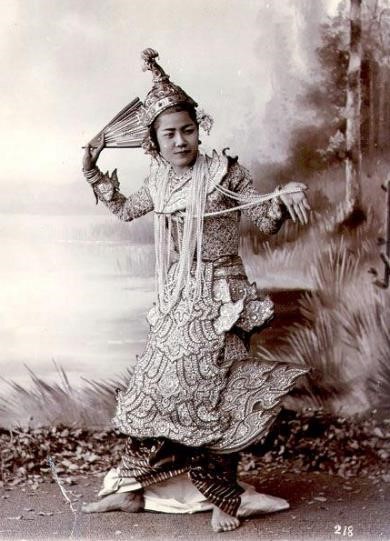
บทความนี้มุ่งนำเสนอความรู้เกี่ยวกับการสืบทอดและความคลี่คลายของนาฏกรรมราชสำนักไทยในพม่า ซึ่งผู้ศึกษาพบว่า นาฏกรรมราชสำนักไทยเริ่มแพร่หลายไปสู่พม่าตั้งแต่สมัยเสียกรุงศรีอยุธยาครั้งที่ 1 (พ.ศ. 2112) แต่ยังไม่เป็นที่รู้จักในสังคมพม่ามากนัก กระทั่งภายหลังการเสียกรุงศรีอยุธยาครั้งที่ 2 (พ.ศ. 2310) พม่าได้กวาดต้อนเชื้อพระวงศ์ชั้นสูง ข้าราชสำนัก และช่างฝีมือชาวอโยธยาที่เชี่ยวชาญงานศิลป์แขนงต่าง ๆ ไปเป็นเชลยสงครามจำนวนมาก ส่งผลให้นาฏกรรมไทยในราชสำนักกรุงศรีอยุธยาเริ่มเป็นที่รู้จักในพม่ามากขึ้น แม้ว่าบทการแสดงจะเป็นภาษาไทยที่ชาวพม่าส่วนใหญ่ไม่เข้าใจความหมาย แต่ด้วยท่วงทำนองดนตรีอันไพเราะ ตลอดจนลีลาท่ารำและเครื่องแต่งกายอันวิจิตรงดงามก็ทำให้ผู้ชมชาวพม่าเกิดความประทับใจ ต่อมาจึงมีการแปลบทละครเป็นภาษาพม่า รวมทั้งปรับปรุงรูปแบบนาฏกรรมให้เข้ากับบริบทสังคมวัฒนธรรมของพม่าในเวลานั้น โดยยังคงรักษากลิ่นอายแบบราชสำนักกรุงศรีอยุธยาไว้ เรียกว่า “โยเดียซาตจี” (Yodia Zat Kyi) หมายถึง นาฏกรรมของชาวอยุธยา
นาฏกรรมของชาวอยุธยาที่ชาวพม่ารู้จักกันอย่างแพร่หลายในอดีตมีอยู่ 3 รูปแบบด้วยกัน ได้แก่ 1) นาฏกรรมเรื่องอิเหนา ซึ่งมีรูปแบบคล้ายการแสดงละครใน 2) นาฏกรรมเรื่องรามเกียรติ์ ซึ่งมีรูปแบบคล้ายการแสดงโขน และ 3) รำโยเดีย ซึ่งเป็นชุดการแสดงต่าง ๆ ที่มีลีลาการร่ายรำแบบระบำเบ็ดเตล็ด รูปแบบนาฏกรรมเหล่านี้ดำรงอยู่ในสังคมวัฒนธรรมพม่ามาอย่างยาวนาน จนกระทั่งพม่าตกเป็นอาณานิคมของอังกฤษในปี พ.ศ. 2428 นาฏกรรมอิเหนาจึงขาดการสืบทอดและสูญหายไประยะหนึ่ง ก่อนจะมีการฟื้นฟูขึ้นใหม่ในปี พ.ศ. 2541 ส่วนนาฏกรรมรามเกียรติ์และรำโยเดียนั้นมีการสืบทอดกันมาอย่างต่อเนื่องจนถึงปัจจุบัน การที่พม่าเลือกรับเอาแบบแผนนาฏกรรมของไทยไปปรุงเข้ากับศิลปะการฟ้อนรำของตน โดยยังคงสืบทอดรูปแบบนาฏกรรมของราชสำนักกรุงศรีอยุธยาไว้ นับว่าเป็นภาพที่สะท้อนถึงสายสัมพันธ์อันดีระหว่างสองชนชาติในมิติทางศิลปวัฒนธรรม ซึ่งตรงกันข้ามกับภาพความขัดแย้งในประวัติศาสตร์สงครามที่ชาวไทยรุ่นปัจจุบันคุ้นเคย
Article Details

อนุญาตภายใต้เงื่อนไข Creative Commons Attribution-NonCommercial-NoDerivatives 4.0 International License.
เนื้อหาและข้อมูลที่ได้รับการเผยแพร่ในวารสารวิพิธพัฒนศิลป์ ถือเป็นข้อคิดเห็นและความรับผิดชอบของผู้แต่งเท่านั้น โดยกองบรรณาธิการวารสารไม่มีส่วนรับผิดชอบต่อเนื้อหาหรือข้อคิดเห็นใด ๆ ที่ปรากฏในบทความ
เอกสารอ้างอิง
ทรงวาด (นามแฝง). (2565, 20 กุมภาพันธ์). จากเจ้าพระยาสู่อิรวดี. มติชนสุดสัปดาห์.
https://www.matichonweekly.com/column/article_519429
ธรรมจักร พรหมพ้วย. (2556). ประวัติศาสตร์นาฏกรรมพม่า [เอกสารที่ไม่ได้ตีพิมพ์]. คณะศิลปกรรมศาสตร์, มหาวิทยาลัยรามคำแหง.
สิทธิพร เนตรนิยม. (2561). ความสัมพันธ์ทางนาฏกรรมไทย-พม่า ระหว่างช่วงต้นพุทธศตวรรษที่ 2 ถึงกลางพุทธศตวรรษที่ 25. นิตยสารศิลปวัฒนธรรม, 39(3), 105 - 115. Images-se-ed.
https://images-se-ed.com/ws/Storage/PDF/552284/007/5522840070524PDF.pdf
สิทธิพร เนตรนิยม. (2562). ฟ้อนม่านมุยเซียงตา: อิทธิพลนาฏกรรมพม่าในสังคมไทย ศึกษาวิเคราะห์ความหมายของชื่อชุดการแสดง บทขับร้อง และโครงสร้างของทำนองเพลง. วารสารไทยคดีศึกษา, 16(1), 50 - 90.
https://so06.tci-thaijo.org/index.php/thaikhadijournal/article/view/198011/%20137886
สิทธิพร เนตรนิยม. (2565). สังเขปประวัติวรรณกรรมอิเหนา: ไทย - พม่า. นิตยสารศิลปวัฒนธรรม, 43(5), 106-128.
สุรพล วิรุฬห์รักษ์. (2553). นาฏยศิลป์พม่า. สำนักพิมพ์แห่งจุฬาลงกรณ์มหาวิทยาลัย.
อภินันท์ บัวหภักดี. (2562, 28 พฤศจิกายน). การแสดงมหากาพย์ รามายณะอาเซียน. Facebook. http://www.culture.go.th/culture_th/ewt_news.php?nid=4626&filename=in
Thai PBS. (2560, 15 กรกฎาคม). นาฏศิลป์และดนตรี: โยเดียที่คิด (ไม่)ถึง. YouTube. https://www.youtube.com/watch?v=n8b-_m-_C1Y
Thai PBS. (2561, 4 สิงหาคม). อิเหนาโยเดีย:โยเดียที่คิด (ไม่) ถึง. YouTube. https://www.youtube.com /watch?v=LYGNQkWVT-Q
U Thaw Kaung. (2545). The Ramayana Drama in Myanmar. Journal of the Siam Society, 90(1), 136-148. https://thesiamsociety.org/wp-content/uploads/2002/03/JSS_090_0i_UThaw Kaung_RamayanaDramaInMyanmar.pdf
