
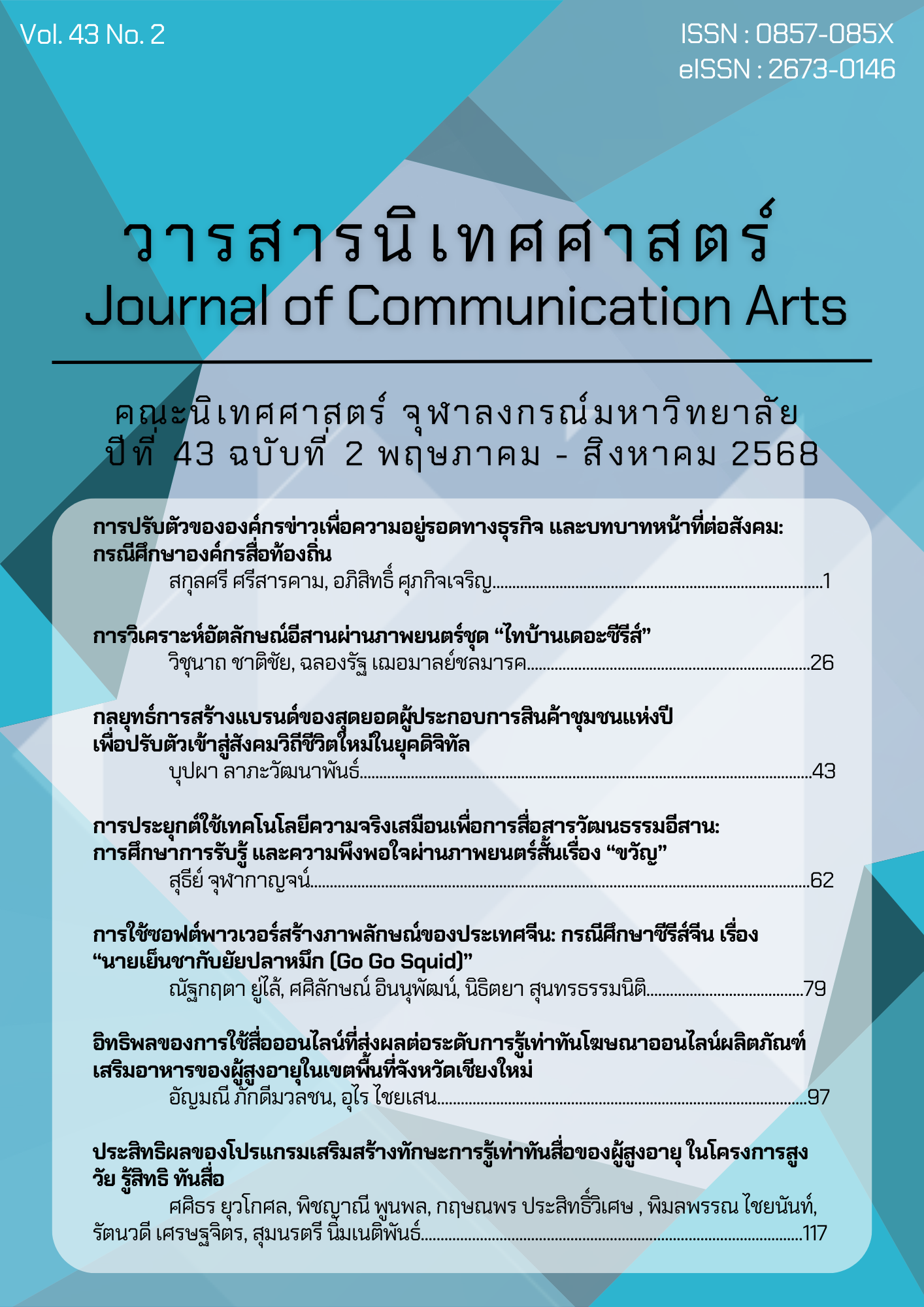
The Strategies of Building a Brand That Adjusts to The New Normal Society in a Digital Era from The Most Admired Community Product Entrepreneurs of The Year
Article Sidebar
Main Article Content
Abstract
This research aims to study the branding strategies of the Community Product Entrepreneurs of the Year (Thailand e-Commerce Genius 2022). The process consists of five main steps: Target consumer identification, Brand design, Brand identity creation, Brand building implementation, and Leveraging the brand. A qualitative research methodology was used, including in-depth interviews and documentary research. The research findings revealed that target consumer identification has evolved in the digital era, becoming more focused and allowing brands to be more precise in targeting specific groups. Brand design is determined by the business vision, emphasizing the delivery of emotional value. Brand identity creation aims to reinforce identity clarity, connecting brand awareness, revealing brand exposure to target audience, and enhancing market opportunities and sustainable growth. Brand building implementation shows that making community identity products widely known requires integrated marketing communication tools through omni-channel methods, especially using owned media like Facebook pages, which are effective in providing comprehensive information at low costs. Leveraging the brand occurs when the product clearly reflects community identity, gains quality certification, and develops innovative features. Key factors for brand success include understanding the brand identity thoroughly, targeting the right customers, and communicating effectively to the target audience.
Article Details

This work is licensed under a Creative Commons Attribution-NonCommercial-NoDerivatives 4.0 International License.
References
กระทรวงพาณิชย์, กรมพัฒนาธุรกิจการค้า. (2565ก). Thailand e-commerce expo 2022: 54 products showcase. https://online.fliphtml5.com/bvzdj/qyqq/
กองพาณิชย์อิเล็กทรอนิกส์. (2564). โครงการ "สร้างโอกาสทางการตลาด พัฒนาธุรกิจฐานรากด้วย e-Commerce".
กุลวัชร ภูริชยวโรดม. ผู้เชี่ยวชาญด้าน Product Presentation. (12 พฤษภาคม 2566). การสื่อสารส่วนบุคคล.
กำแหง กล้าสุคนธ์. รองอธิบดีกรมพัฒนาธุรกิจการค้า กระทรวงพาณิชย์. (15 มิถุนายน 2566). การสื่อสารส่วนบุคคล.
จอห์นสัน, เค. ดี. (2562). 100 วิธีคิดเปลี่ยนเจ้าของธุรกิจหรือผู้ประกอบการให้เป็นมืออาชีพที่ประสบความสำเร็จสูงและกำหนดชีวิตที่ต้องการได้ = The entrepreneur mind: 100 essential beliefs, characteristics, and habits of elite entrepreneurs (สุดาวรรณ อริยะทรัพย์, ผู้แปลและเรียบเรียง). บี มีเดีย. (ต้นฉบับพิมพ์ปี ค.ศ. 2013).
จุฑารัตน์ พรหมทัต. (ม.ป.ป.). สร้างแบรนด์ชุมชน เสริมแกร่งให้เศรษฐกิจฐานราก. https://uploads.tpso.go.th/sraangaebrndchumchn_esrimaekrngaihesrsthkicchthaa_1.pdf
จุลเกียรติ สินชัยชูเกียรติ. (2564). กฎ 6 ข้อการทรานส์ฟอร์มแบรนด์สู่ยุคใหม่ = 6 Rules of brand transformation. บารามีซี่.
เฉลิมเกียรติ ธารทองไพบูลย์. กรรมการผู้จัดการ บริษัท ภาเบญ ฟู้ดส์ จำกัด. (27 เมษายน 2566). การสื่อสารส่วนบุคคล.
ชัชชพันธ์ เล็กเจริญ. (2559). การตลาดเชิงประสบการณ์กับความภักดีของผู้บริโภคในการชมการแสดงทอล์คโชว์ [วิทยานิพนธ์ศิลปศาสตรมหาบัณฑิต]. สถาบันบัณฑิตพัฒนบริหารศาสตร์.
ชุติมา ศิริเชาวนิชการ. กรรมการผู้จัดการ บริษัท คอสมอส แอนด์ ฮาร์โมนี่ จำกัด. (17 พฤษภาคม 2566). การสื่อสารส่วนบุคคล.
ชุษณะ เตชคณา. (2562). ถอดรหัสผู้บริโภค 4.0. วารสารรัชต์ภาคย์, 13(28), 31-44.
ธัญญ์นิธิ อภิชัยโชติรัตน์. กรรมการตัดสินรางวัล ผู้เชี่ยวชาญด้าน Digital Marketing. (11 พฤษภาคม 2566). การสื่อสารส่วนบุคคล.
นพสรณ์ พรทวีวัฒน์. ผู้จัดการฝ่ายการตลาด บริษัท เชียงใหม่ไบโอเวกกี้ จำกัด. (6 พฤษภาคม 2566). การสื่อสารส่วนบุคคล.
นิแย เจะอาแว. ผู้ก่อตั้งแบรนด์ มาเรียม โอเชี่ยน (Mariam OCEAN) และ ห้างหุ้นส่วนจำกัด มาเรียมโอเชี่ยน. (28 เมษายน 2566). การสื่อสารส่วนบุคคล.
บริษัท เชียงใหม่ไบโอเวกกี้ จำกัด. (ม.ป.ป.ข). Our story. https://bioveggie.net/our-story/
บุปผา ลาภะวัฒนาพันธ์. (2555). การจัดการทางการสื่อสารเกี่ยวกับเอกลักษณ์ของธุรกิจค้าปลีกสมัยใหม่: กรณีศึกษาห้างค้าปลีกสัญชาติไทยและห้างค้าปลีกข้ามชาติ [วิทยานิพน์ปรัชญาดุษฎีบัณฑิต]. มหาวิทยาลัยธรรมศาสตร์.
______________. (2565). กลยุทธ์การสื่อสารการตลาดเพื่อเพิ่มขีดความสามารถในการแข่งขันจากผลกระทบวิกฤต COVID-19 ผ่านมุมมองผู้บริหารระดับสูงของธุรกิจค้าปลีกสมัยใหม่ (รายงานผลการวิจัย). มหาวิทยาลัยหอการค้าไทย.
บุษกร เชี่ยวจินดากานต์. (2561). เทคนิคการวิจัยเชิงคุณภาพแบบกรณีศึกษา. ศิลปศาสตร์ปริทัศน์, 13(25), 103-118.
ปรัชญา ไพโรจน์กุลมณี. ผู้อำนวยการกองพาณิชย์อิเล็กทรอนิกส์ กระทรวงพาณิชย์. (15 มิถุนายน 2566). การสื่อสารส่วนบุคคล.
ปิยมาศ นะแก้ว. ประธานกลุ่มวิสาหกิจชุมชนพรุควนเคร็ง จ.นครศรีธรรมราช. (10 พฤษภาคม 2566). การสื่อสารส่วนบุคคล.
พลอย เทน เคท. (2564, เมษายน 30). สร้างแบรนด์ให้ยั่งยืนได้อย่างไรในภาวะวิกฤต. https://www.pwc.com/th/en/pwc-thailand-blogs/blog-20210430.html
พัชมนต์ สุวรรณแสงโรจน์. ผู้ร่วมก่อตั้งและบริหารการตลาด บริษัท กู๊ดจ๊อบ (ประเทศไทย) จำกัด. (9 พฤษภาคม 2566). การสื่อสารส่วนบุคคล.
ไพรินทร์ อัศวทวีโชค. กรรมการผู้จัดการ บริษัท ริน อินเตอร์ฟู้ด จำกัด. (28 เมษายน 2566). การสื่อสารส่วนบุคคล.
ภัทรพร ทิมแดง, และ วินัย ปัญจขจรศักดิ์. (2554). โมเดลการตลาดเชิงประสบการณ์ของนักท่องเที่ยวชาวต่างชาติ. วารสารสมาคมนักวิจัย, 16(3), 89-101.
ยุรมาศ พิทักษ์วาวี. ผู้บริหารแผนกการตลาดและประชาสัมพันธ์ บริษัท ชาวาวี กรุ๊ป จำกัด. (2 พฤษภาคม 2566). การสื่อสารส่วนบุคคล.
ระพีพรรณ คำหอม. (2553). เกณฑ์การพิจารณาเชิงคุณภาพของข้อมูลเชิงคุณภาพ. ใน สำนักงานคณะกรรมการวิจัยแห่งชาติ (วช.). โครงการ Research Zone (2011): Phase 30 ระหว่างวันที่ 19-22 ตุลาคม 2553. http://rlc.nrct.go.th/ewt_dl.php?nid=743
วาวี ที. (ม.ป.ป.). About wawee tea. https://www.teawawee1961.com/Article/Detail/131434
วิชชุวรรณ สัตย์สมบูรณ์. ผู้ก่อตั้งและกรรมการบริหาร บริษัท กู๊ดจ๊อบ (ประเทศไทย) จำกัด. (9 พฤษภาคม 2566). การสื่อสารส่วนบุคคล.
วุฒิ สุขเจริญ. (2563). เทคนิคการวิเคราะห์ตำแหน่งแบรนด์. สำนักพิมพ์จุฬาลงกรณ์มหาวิทยาลัย.
ศริญญา สีแดง. ผู้ก่อตั้งแบรนด์ Vocoa บริษัท อมิวสโก้ ไบโอเทค จำกัด. (1 พฤษภาคม 2566). การสื่อสารส่วนบุคคล.
ศรีกัญญา มงคลศิริ. (2547). Brand management. Higher Press.
สราวุธ อนันตชาติ, วารินยา ลีลายุวัฒน์, และ ณัฏฐภาวรรณ ศรีภิรมย์. (2558). หน่วยที่ 5 ตราสินค้าในการสื่อสารการตลาด. ใน
อรสา ปานขาว (บรรณาธิการ), เอกสารการสอนชุดวิชา การสื่อสารการตลาด หน่วยที่ 1-7. (พิมพ์ครั้งที่ 10, น. 215-269). โรงพิมพ์มหาวิทยาลัยสุโขทัยธรรมาธิราช.
เสรี วงษ์มณฑา และชุษณะ เตชคณา. (2560). การตลาด 4.0 ในบริบทประเทศไทย 4.0. วารสารเศรษฐศาสตร์และนโยบายสาธารณะ, 8(15), 1-16.
อนิรุทธิ์ รัศมีศรีตระกูล. ก่อตั้งแบรนด์ ห่มรัก (HOMRAK). (26 เมษายน 2566). การสื่อสารส่วนบุคคล.
อริสรา ไวยเจริญ. (2561). การสร้างประสบการณ์ตราสินค้ากับผู้บริโภคในยุคดิจิทัล. วารสารนิเทศศาสตร์ธุรกิจบัณฑิตย์, 12(1), 337-362.
อูซ็อง, เจ. (2565). เราไม่ได้ซื้อสินค้า เราซื้อแบรนด์ = That's why we need branding (อาสยา อภิชนางกูร, ผู้แปล). อมรินทร์ฮาวทู อมรินทร์พริ้นติ้ง แอนด์ พับลิชชิ่ง. (ต้นฉบับ พิมพ์ ค.ศ. 2021)
Armstrong, G. (2020). Marketing: An introduction (14th ed.). Pearson.
Fill, C. (2011). Essentials of marketing communications. Prentice Hall.
Kotler, P., Kartajaya, H., & Setiawan, I. (2017). Marketing 4.0: Moving from traditional to digital. Wiley.
Kwortnik, R. J., & Ross, W. T. (2007). The role of positive emotions in experiential decisions. International Journal of Research in Marketing, 24(4), 324-335. https://doi.org/10.1016/j.ijresmar.2007.09.002
Lindstrom, M. (2010). Brand sense: Sensory secrets behind the stuff we buy. Free Press.
Wibowo, A., Chen, S.-C., Wiangin, U., Ma, Y., & Ruangkanjanases, A. (2021). Customer behavior as an outcome of social media marketing: The role of social media marketing activity and customer experience. Sustainability, 13(1), 1-18. https://doi.org/10.3390/su13010189
